A handbag does not last forever, even with the best care. Understanding when to replace your handbag prevents daily frustration, protects the items inside, and gives you permission to refresh your style. Unlike clothing that fails suddenly, a bag deteriorates gradually—and knowing the signs helps you make the call before the bag fails completely at the worst possible moment.
The question is not “should I throw away a perfectly good bag?” It is about recognizing when a bag has served its purpose and when continuing to carry it creates more problems than solutions. A bag that is structurally failing can damage your phone, leak onto documents, or make you feel unprofessional in client-facing settings.
Structural Failure: The Most Obvious Signal
The clearest sign to replace your handbag is structural breakdown. When seams separate, straps fray, or closures stop working, the bag is reaching end-of-life. A fraying strap is not just unsightly—it can snap without warning, sending your bag to the ground mid-commute.
Where to Check First:
- Bottom seams: Weight stress concentrates here daily. Unraveling stitching or a blown-out corner means replacement is overdue.
- Strap anchors: The points where the strap meets the body take the most load. If the anchor pulls away, the bag is unsafe for heavy items.
- Zippers and closures: A broken zipper that cannot be easily repaired signals replacement time.
Repair vs. Replace:
If repair costs under 30–40% of a replacement bag and the rest of the bag is sound, repair makes sense. A single broken zipper or small seam tear is fixable. But when zipper and lining and strap fail together, replacement is smarter.
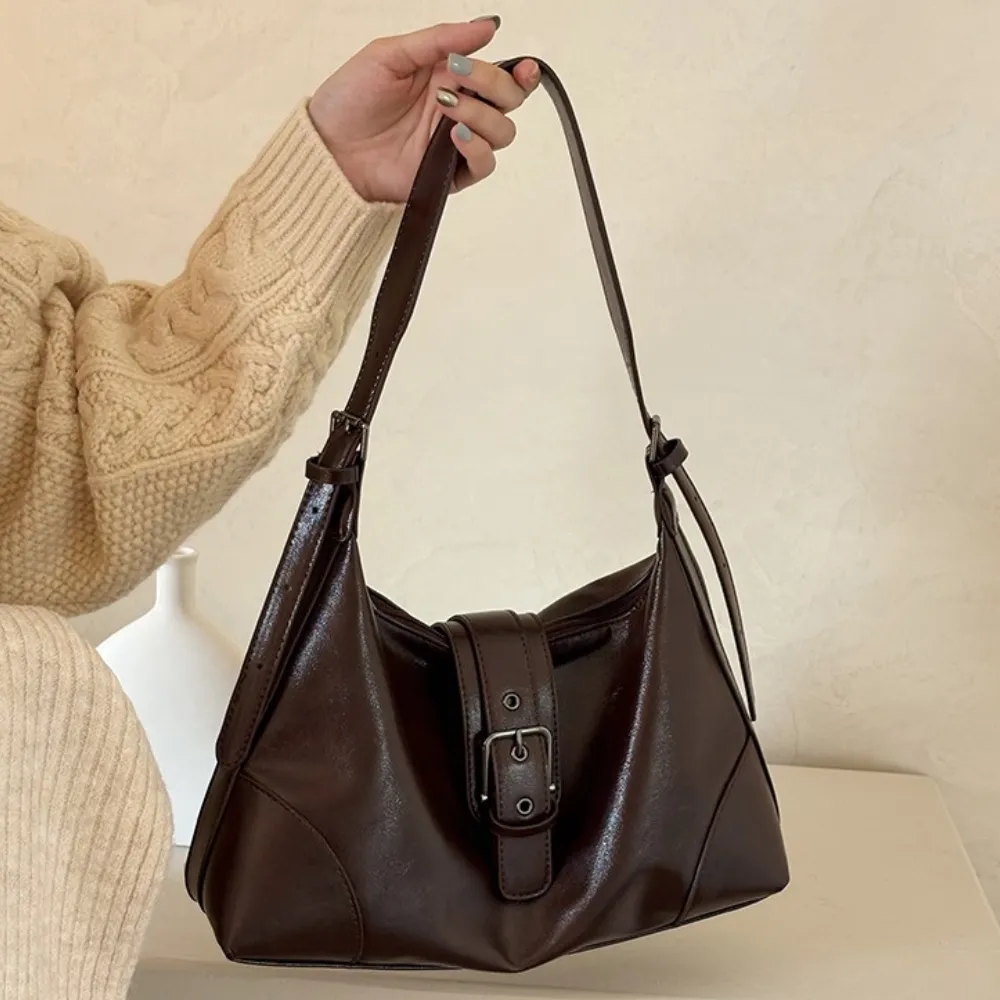
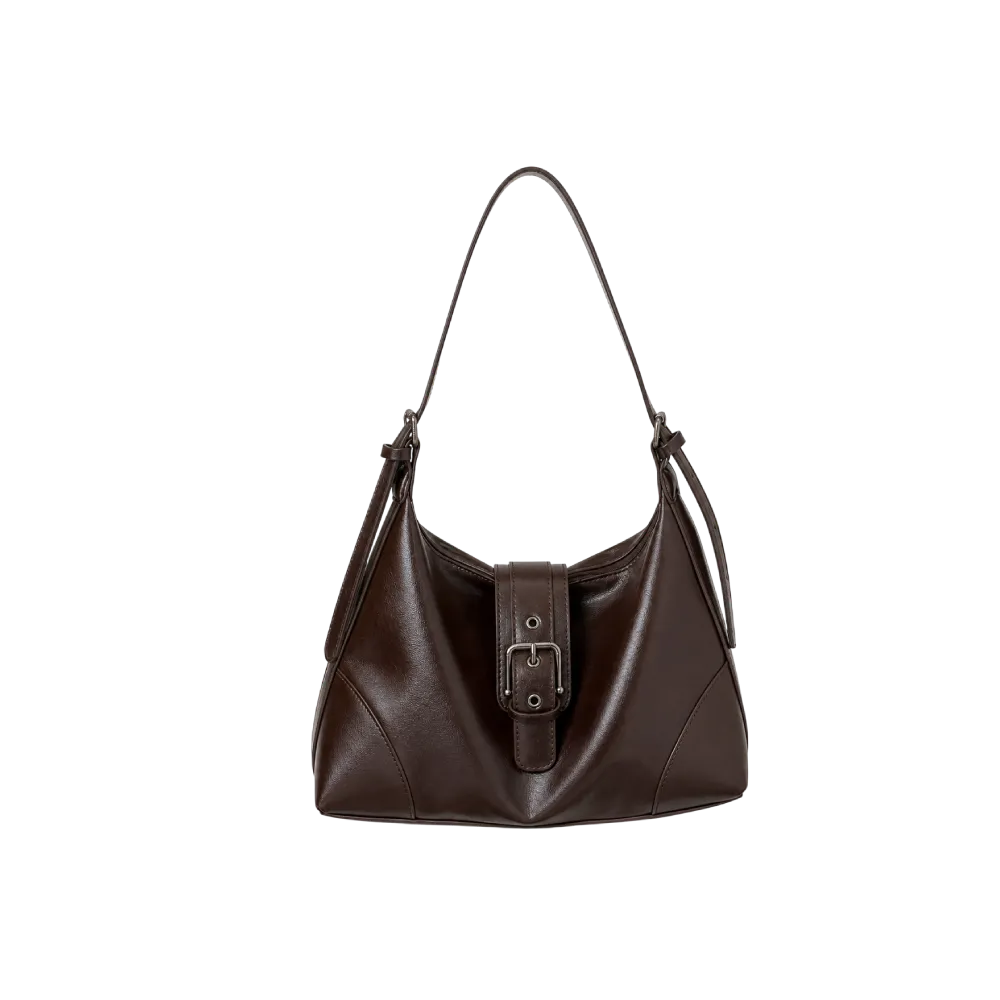
Crodar Vintage Shoulder Bag
The Crodar Vintage Shoulder Bag combines timeless style with everyday functionality. Crafted from soft PU leather, this brown women’s shoulder bag features a vintage buckle design.
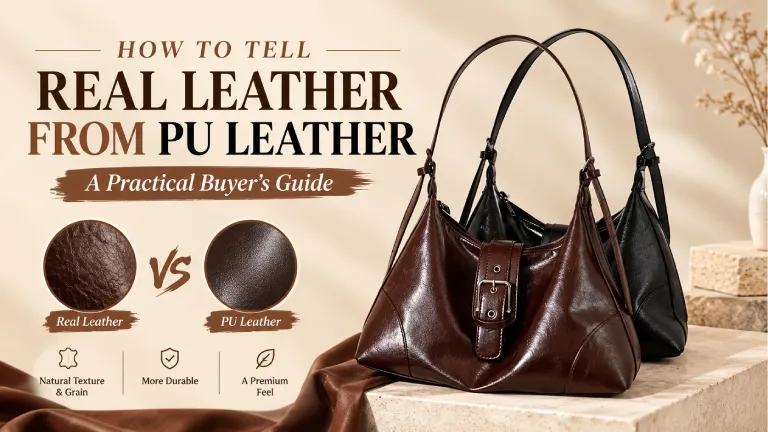
Material Deterioration: PU Leather vs. Genuine Leather
PU Leather and Synthetics
Visible peeling or flaking on PU leather is the clearest replacement signal. Once the top layer starts deteriorating, the process accelerates—pieces flake onto clothing and the bag looks tired. For material-aging context, our PU leather care and aging guide covers what is reversible and what is not.
Genuine Leather
Quality leather can last 7–10 years with care, but deep cracking that persists after conditioning, severe stiffness, or irreversible drying means the material is gone. Minor patina adds character; structural cracking does not. For luxury-care habits that extend this timeline, Vogue India’s luxury handbag care guide is a strong reference on storage, moisture, and professional upkeep.
Fading and Discoloration
Minor fading is natural on leather. Severe discoloration that stops the bag from pairing with your wardrobe—or makes it look dirty when it is not—is a valid replacement reason, especially in professional contexts.
Functional Issues: When the Interior Fails
Lining Damage
When interior lining tears and items fall through holes or catch in exposed seams, the bag is no longer functional. Damaged lining also creates hygiene issues—crumbs, dirt, and bacteria accumulate in gaps. A professional can replace lining, but if the exterior is also compromised, replacement wins.
Persistent Odors
Mold, chemical deterioration, or trapped moisture that will not dissipate after cleaning means internal materials have broken down. Continuing to use the bag becomes unpleasant and potentially unhygienic.
Capacity Loss from Lost Shape
Soft-structured bags that slouch so severely usable volume shrinks are past their prime. If you can no longer fit your daily essentials because the bag lost integrity, replace it.
Aesthetic Decline: Style and Professional Image
Beyond function, aesthetic decline is a legitimate replacement reason. Deep stains, severe hardware tarnish, or an overall “tired” appearance can undermine how you feel carrying the bag.
In professional environments, a visibly deteriorating handbag affects perception. If your bag no longer meets workplace standards and cannot be restored, replacement is justified—not vain, but practical. For workplace visual benchmarks, our professional handbag standards guide covers what a work bag should communicate.
If the problem is “outdated” rather than “broken,” this edit on outdated handbag signs helps you tell the difference between a bag that dates your look and one that simply needs smarter styling.
Capacity Mismatch: When Your Life Changes
Sometimes the bag is not broken—your needs changed:
- Job change: Casual everyday bag no longer fits a client-facing role.
- Commute shift: 15-minute drive replaced by a 45-minute transit ride with a 15-inch laptop.
- Lifestyle change: Parenting, cycling, travel, or a minimalist wardrobe all shift bag requirements.
Replacing it is not waste—it is practical adaptation. For long-term silhouettes worth investing in so you replace less often, Who What Wear’s anti-trend bag styles guide is a useful filter for “buy once, carry for years.”
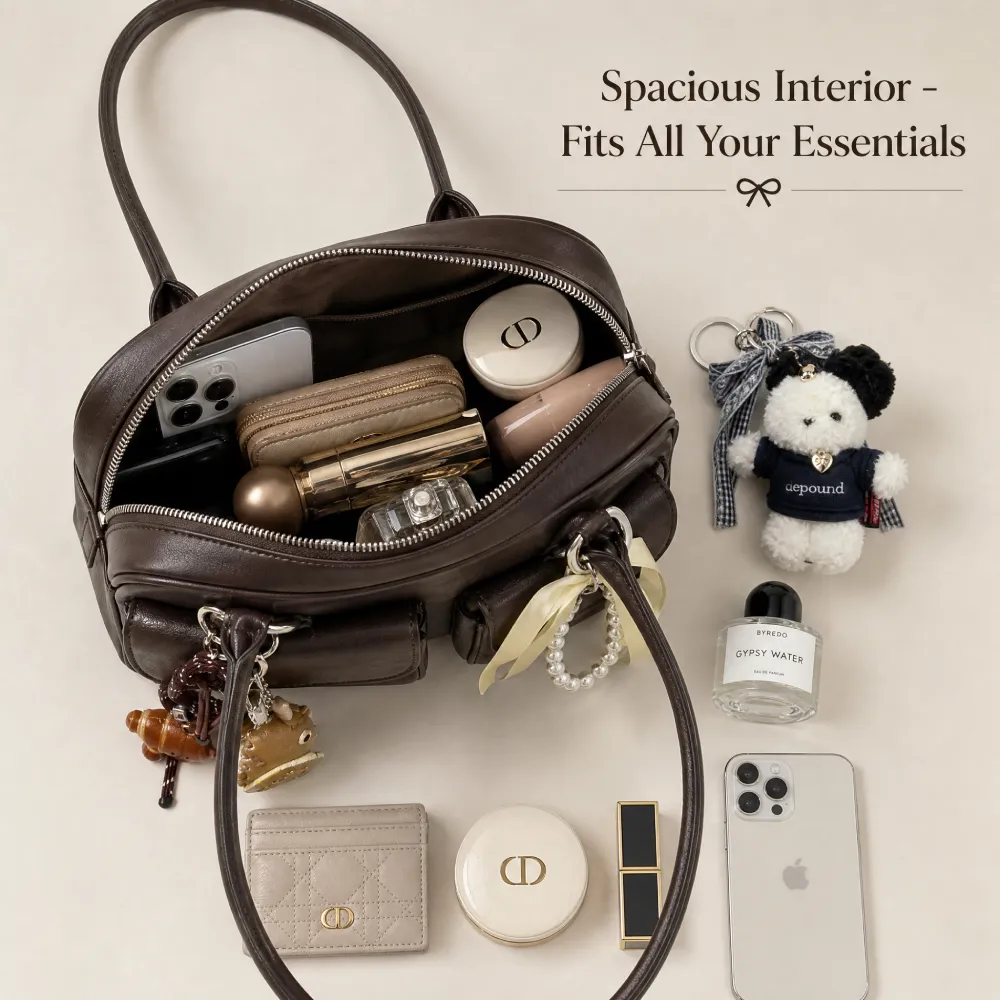
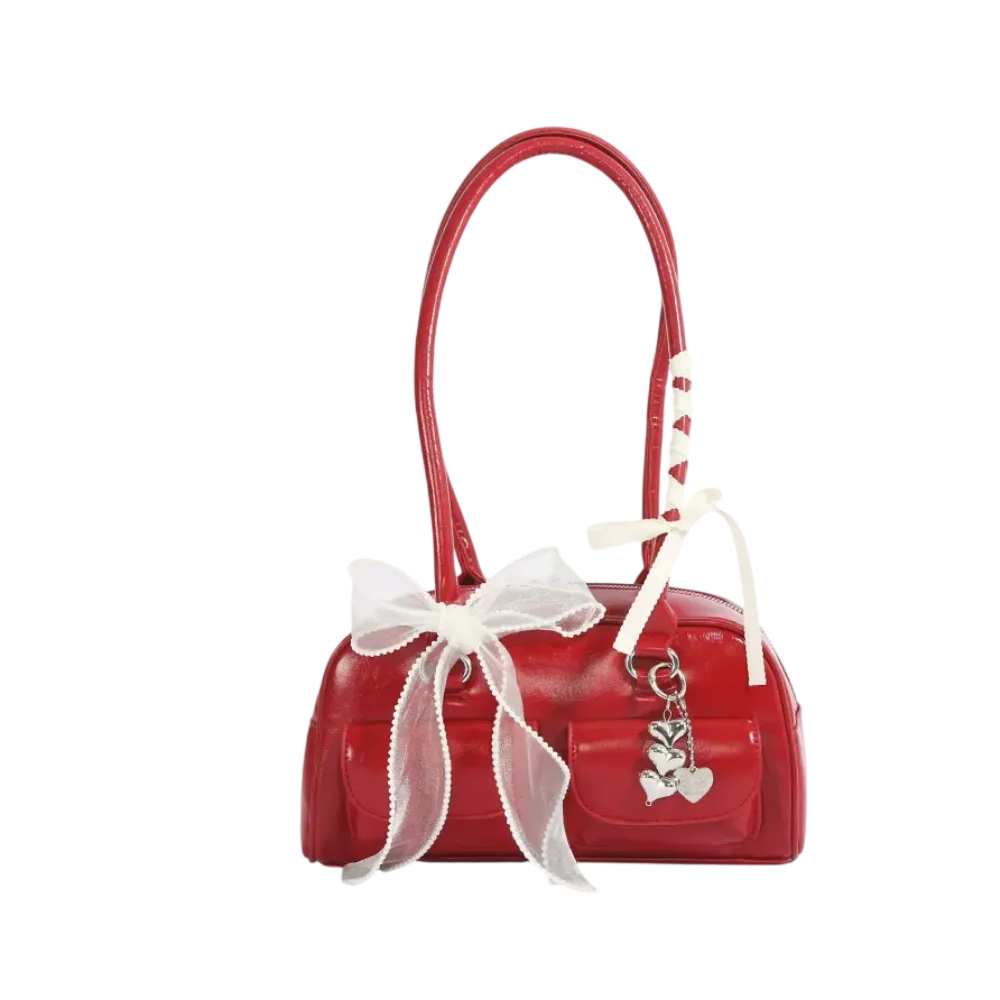
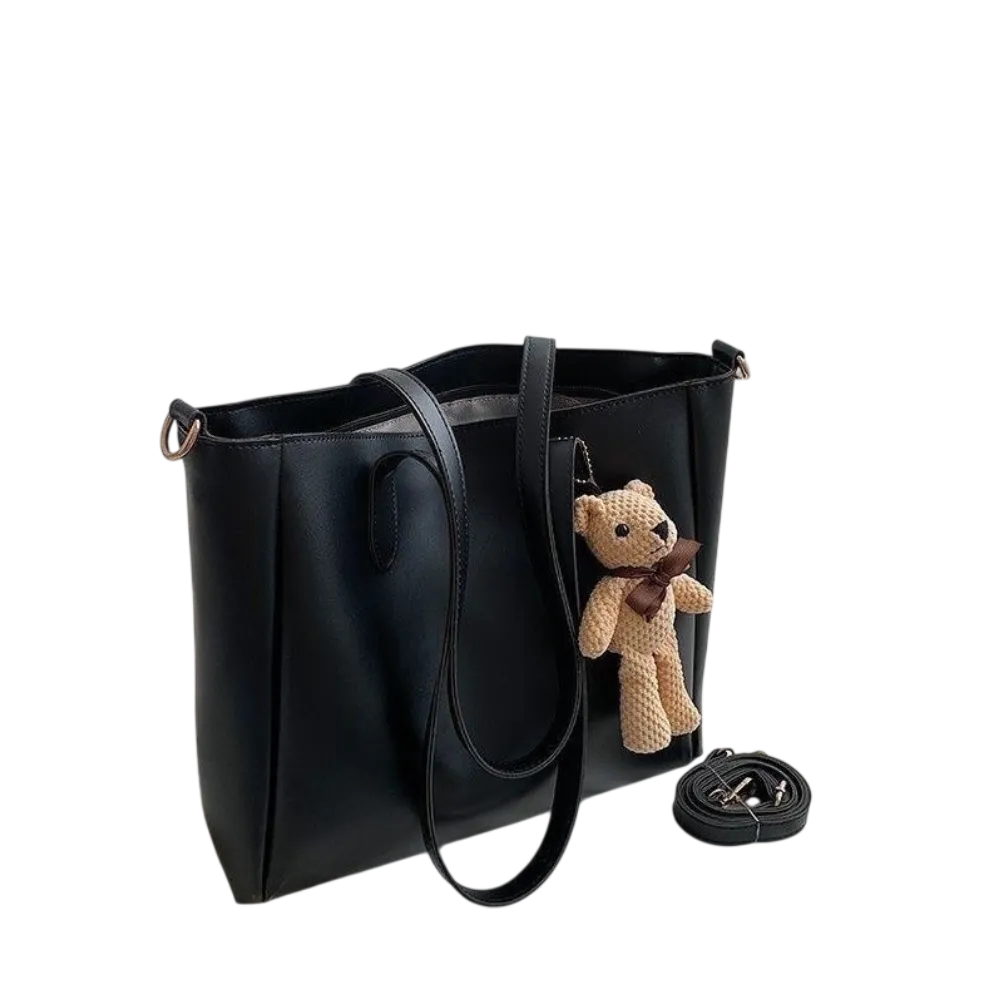
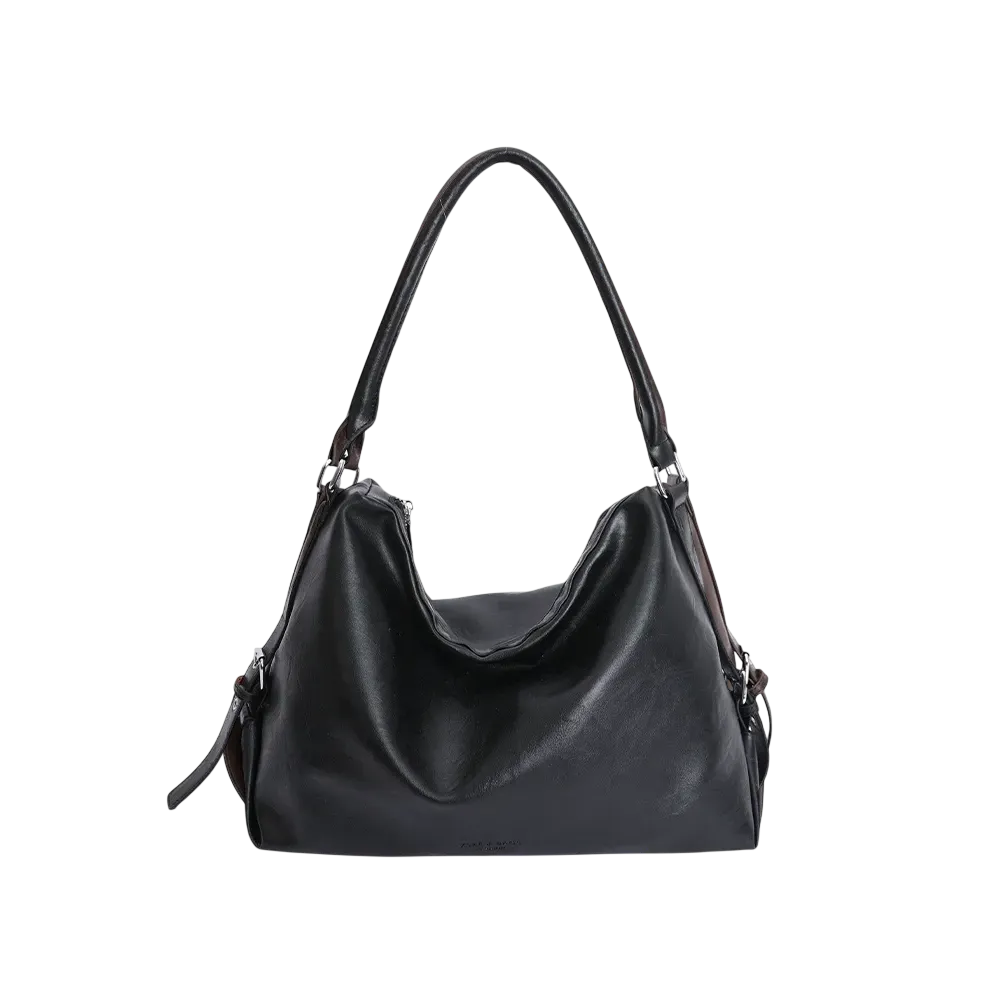
Crodar Y2K Style Shoulder Bag
Step into nostalgic style with the Crodar Y2K Style Shoulder Bag, a trendy everyday accessory with a retro 2000s-inspired look, practical storage, and effortless shoulder carry.
Repair vs. Replace: The Decision Framework
| Issue | Repair? | Replace? |
|---|---|---|
| Single broken zipper | ✓ Yes—inexpensive | |
| Small seam tear | ✓ Yes—stitching is affordable | |
| Worn strap padding | ✓ Yes—strap can be replaced | |
| PU leather peeling | ✓ Yes—irreversible once started | |
| Multiple simultaneous failures | ✓ Yes—cumulative repair exceeds bag value | |
| Interior lining + exterior wear | ✓ Yes—full restoration not cost-effective |
Expected Lifespan by Material and Quality
- Budget synthetic bags: 6–12 months of daily use
- Mid-range PU leather: 2–5 years with rotation and care
- Quality leather: 7–10+ years with conditioning and storage discipline
- Designer/luxury leather: 10–20+ years; often resellable when you retire it
Plan replacement a few months ahead when possible. That lets you research, choose thoughtfully, and avoid a rushed purchase because your current bag failed mid-week.
The Style Case for Timely Replacement
Replacing a worn bag is not automatically frivolous. A failing bag can damage a phone, laptop, or documents—creating larger waste than a considered new purchase. A well-chosen bag that serves you for years is more sustainable than clinging to a failing one.
Buy fewer, better, more versatile silhouettes and you replace less often. Anti-trend shoulder bags, structured top-handles, and clean crossbodies outlast logo-heavy micro-trends. When you do replace, donate, resell, or upcycle the old one instead of binning it.
FAQ
Q: How do I know if a worn seam can be repaired or if I need to replace my bag?
A: Isolated seam tear = repairable. Multiple failing seams + degraded material = replace. Get a leather repair estimate first.
Q: Is visible wear enough reason to replace a handbag?
A: In professional settings, yes—visible wear affects credibility. For casual use, minor patina is fine. Peeling, sagging, or stained lining cross the line.
Q: Can I replace just the lining instead of the whole bag?
A: Yes. Lining replacement is often affordable if the exterior and structure are still good.
Q: What should I do with a bag that is no longer usable?
A: Donate if usable, upcycle into pouches/organizers, or recycle through textile programs. See our old handbag disposal guide.
Q: How often should I expect to replace a handbag?
A: Quality leather: 7–10 years. Mid PU: 2–5 years. Budget synthetic: 6–12 months. Rotating 3–5 bags extends each one’s life.
Q: Is replacing a bag due to style changes wasteful?
A: Not if your life changed. A bag that no longer fits your job, commute, or wardrobe is a tool that no longer serves its purpose.
Q: Can I delay replacing a bag if I repair it multiple times?
A: Multiple repairs eventually cost more than a new bag. A bag held together by patches is a liability.
Q: When is a broken zipper reason to replace the entire bag?
A: Rarely alone. But if the zipper cannot be accessed and other damage exists, replacement makes sense.