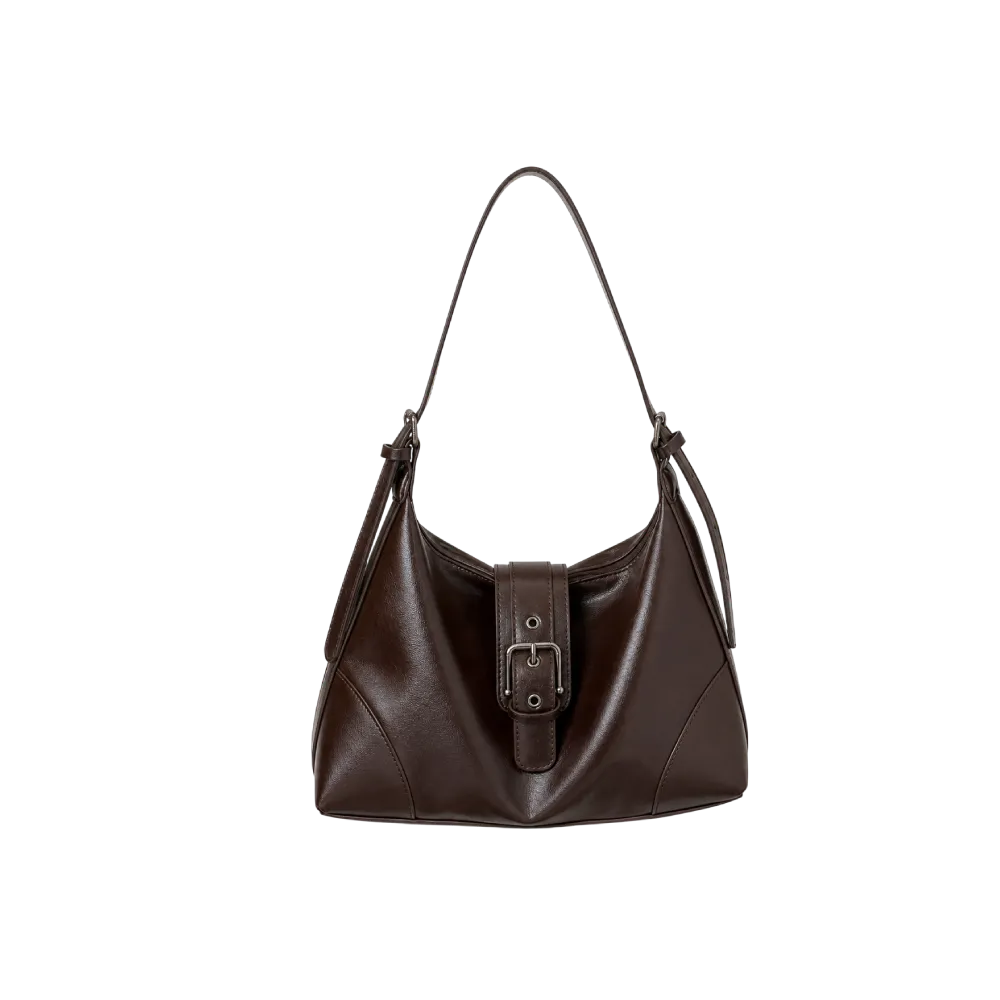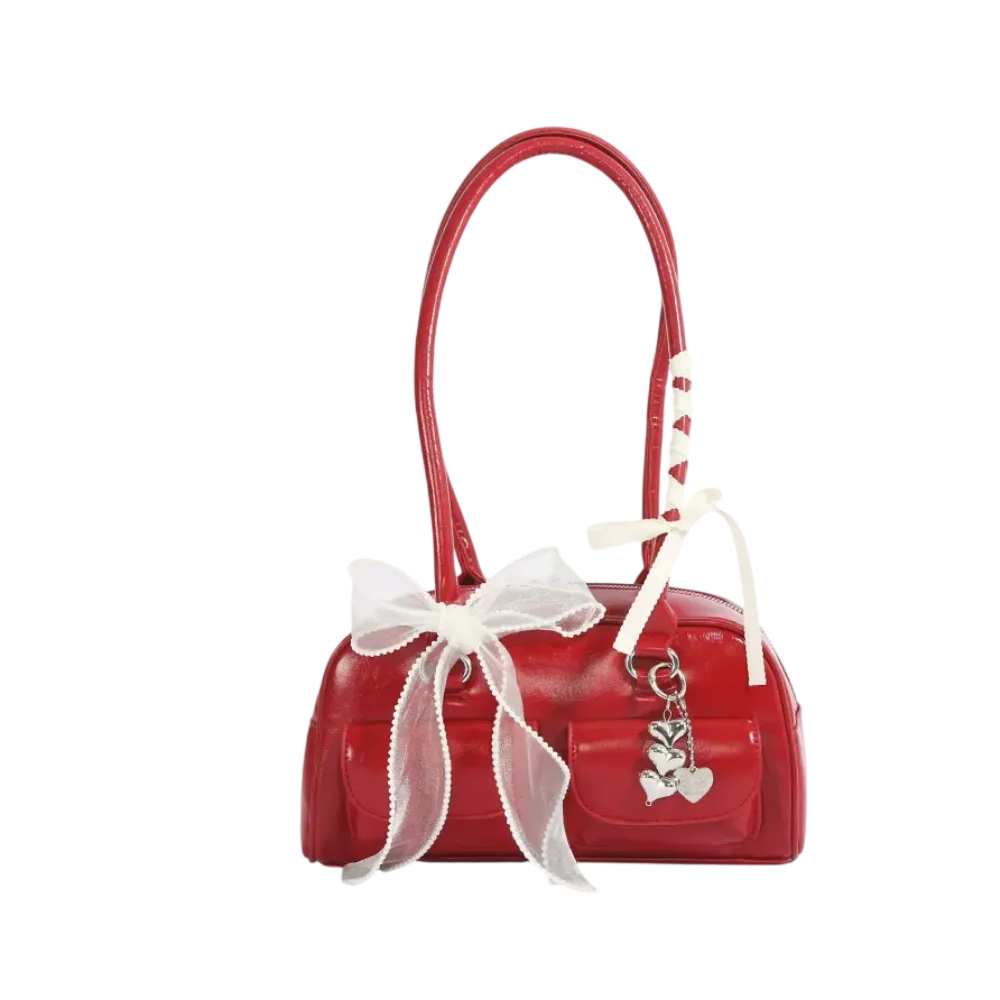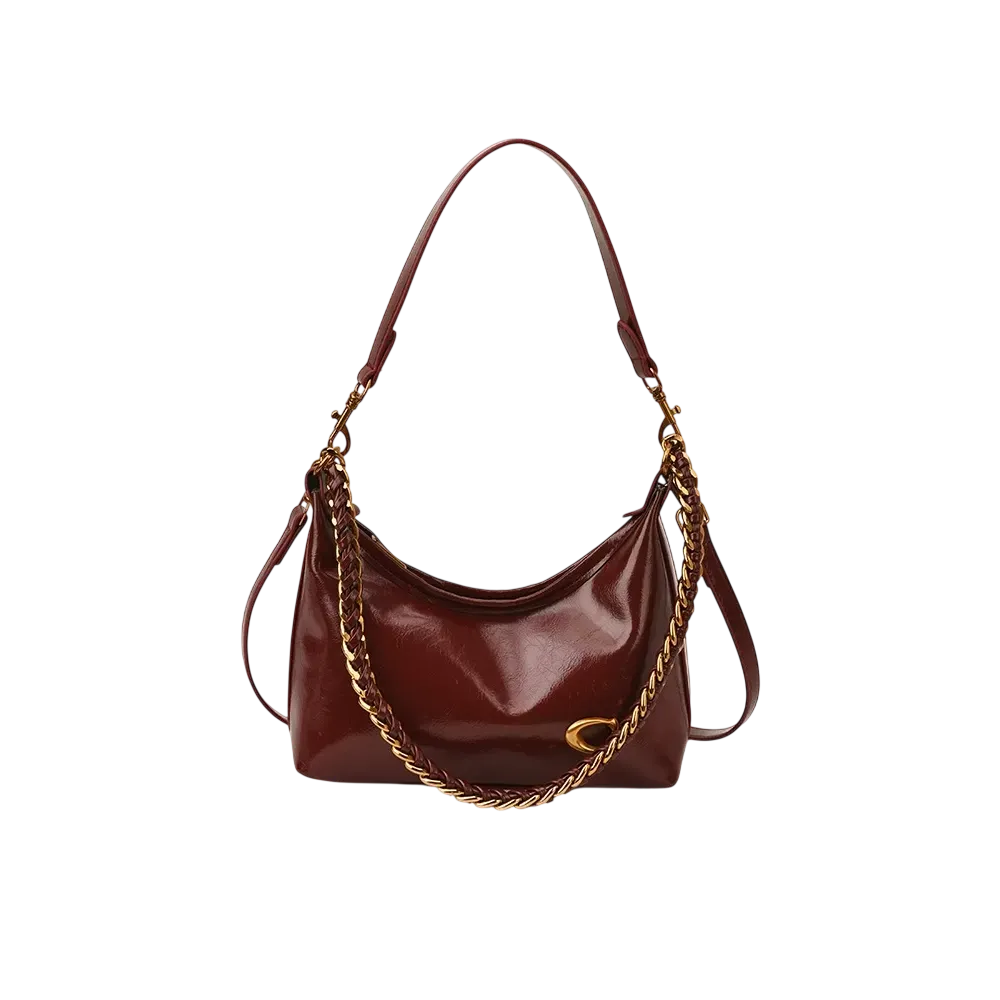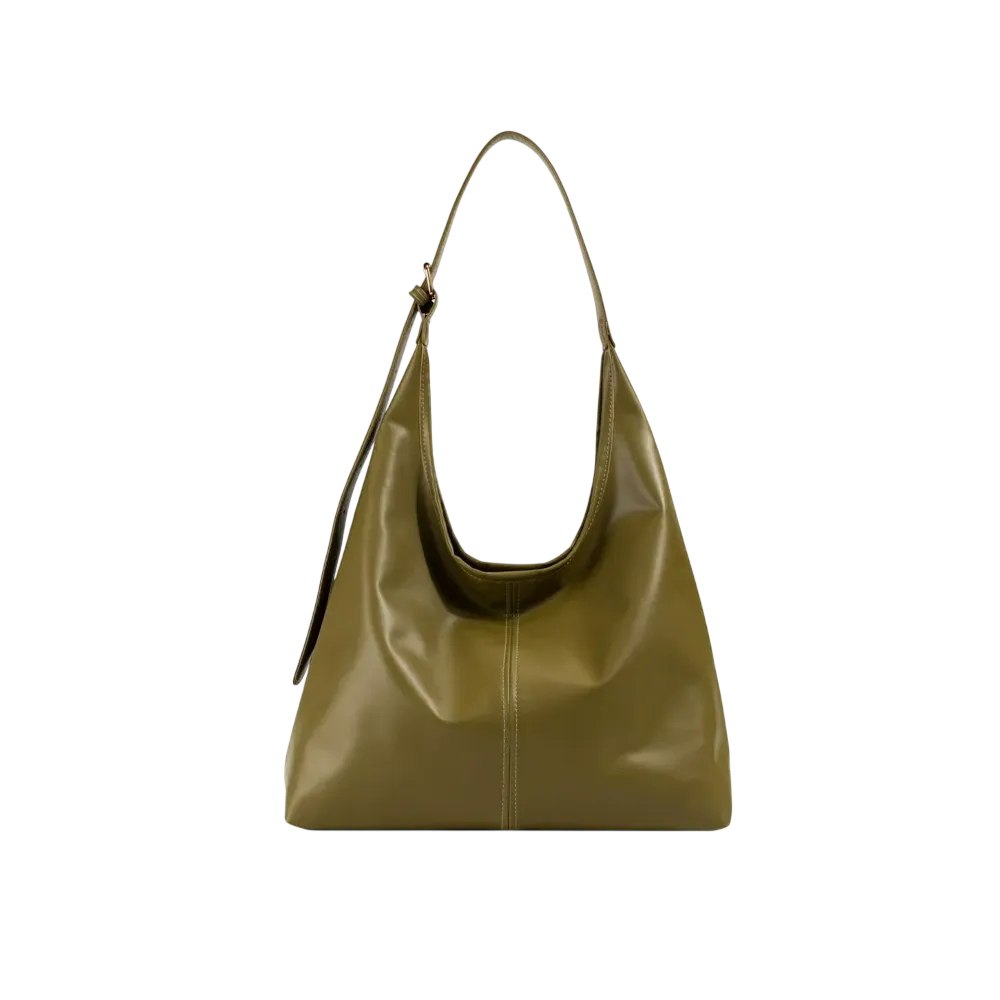
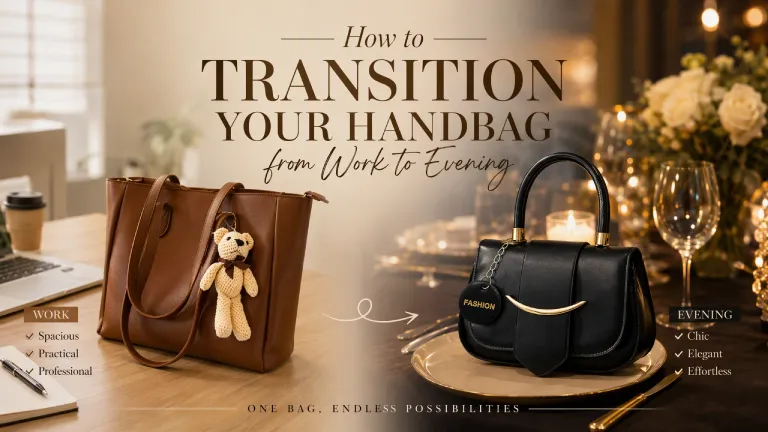
Moving from office hours to after-dark plans without going home to swap bags is one of the most common daily transitions—and one of the most visually jarring when done poorly. Arriving at a dinner reservation with a bulky work tote or a technical commute backpack signals “I didn’t plan for this,” even if everything else about your outfit is polished. The solution is not owning more bags; it is choosing a work-to-evening handbag that can believably serve both contexts with minor adjustments.
A successful transition relies on three things: selecting the right bag upfront, organizing it strategically during the day, and adjusting how you carry and style it for the evening. When these align, the same bag reads as professional at 2 p.m. and intentional at 8 p.m.
Why Work Bags and Evening Bags Exist Separately
A typical work handbag prioritizes capacity (laptop, documents, notebooks), organization (multiple compartments, tech pouches), and a professional silhouette. These qualities serve the workday perfectly but work against you in social settings. An oversized structured tote can overwhelm a slip dress or tailored evening separates. Heavy materials and utilitarian hardware read as “office” the moment you sit down at a bar or restaurant.
Evening bags solve the opposite problem: they prioritize proportion, polish, and minimalism. A compact clutch or small crossbody complements dressier clothing but cannot hold a 13-inch laptop, a notebook, or the accumulation of daily essentials. Forcing an evening bag into a workday means leaving critical items behind or carrying a second bag—defeating the purpose.
The sweet spot is a transitional handbag—a medium, structured design in a refined material that holds work essentials without looking like a briefcase, and pairs with elevated clothing without looking like you raided a formalwear closet.
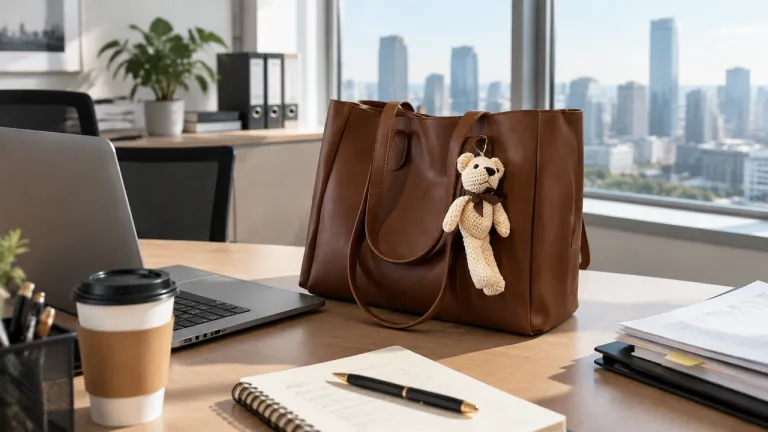
What Makes a Handbag Transition-Ready
Medium Capacity
The bag must hold a laptop sleeve or notebook, your daily essentials, and a light layer (folded scarf or compact umbrella) without ballooning. If it fits a 14-inch laptop bare, it is too large for evening. If it cannot fit your phone, wallet, and a small notebook simultaneously, it is too small for work. The target is roughly 10–12 inches wide—enough for a tablet or slim laptop sleeve, compact enough to sit close to the body.
Polished, Quiet Materials
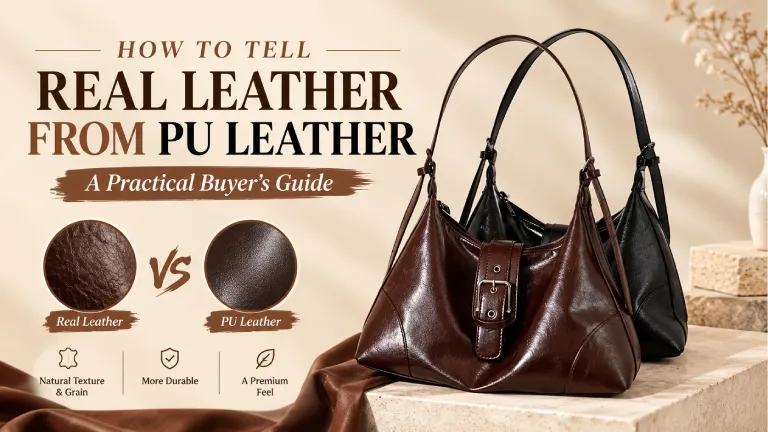
Quality leather or high-grade PU leather works in both contexts. These materials read as professional in daylight and refined at night. Canvas is versatile but can feel too relaxed for evening. Nylon and technical synthetics announce “commute” regardless of the outfit. For a material comparison that covers longevity and appearance across settings, see our genuine leather vs PU leather guide.
Clean Hardware and Minimal Branding
Subtle hardware—small clasps, a discreet magnetic closure, a thin chain or leather strap—transitions better than oversized buckles, heavy D-rings, or sporty plastic zippers. Avoid large logos or branded hardware; they anchor the bag to a single context. A simple structured silhouette with minimal detailing is the most adaptable design language.
Convertible Carrying Options
A bag that offers both a shoulder strap and a removable crossbody strap gives you flexibility. Shoulder carry reads as relaxed and evening-appropriate; crossbody is practical for a commuter-heavy workday. If the strap is adjustable, even better—you can shorten it for evening (riding higher on the torso, closer to a clutch proportion) and lengthen it for daytime wear.
Strategic Organization
Interior pockets should separate work items (documents, tech, pens) from personal essentials (lip color, fragrance, cards). This prevents you from pulling out a client folder at a dinner table. A dedicated zippered interior pocket for valuables adds security in both contexts.
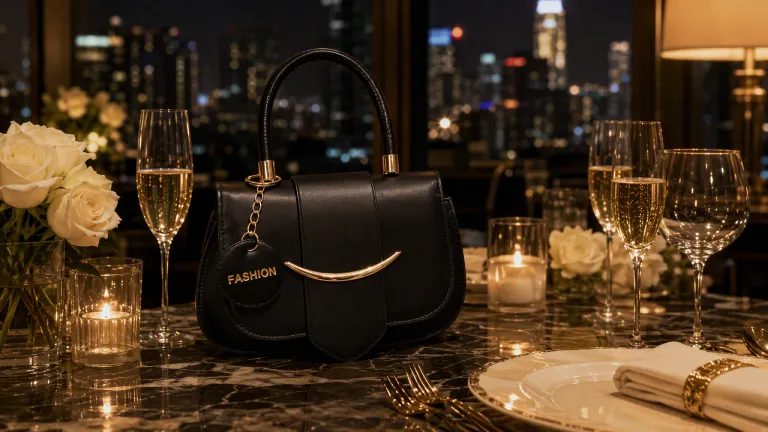
Color Strategy for Transitional Bags
Black is the safest choice—it works automatically in boardrooms and at cocktail bars. It pairs with every workwear palette and every evening look.
Brown and Tan work if your wardrobe leans warm. They read as professional with navy, cream, and camel work separates, and sophisticated with warm-toned evening clothing (rust, gold, ivory, olive).
Navy is the most underrated transitional color. It reads as professional in office lighting and deepens to near-black in evening settings, pairing with almost any dressier outfit.
Jewel Tones (emerald, burgundy, sapphire) can work if they complement both your work blazers and your typical evening pieces. These require more wardrobe coordination but offer more personality than neutrals.
What to Avoid: Neon, pastel, or highly seasonal colors. They date quickly and clash with one half of the work-evening equation.
Practical Transition Strategies
The Mid-Day Reset
Use your lunch break or the last 15 minutes of your workday to prepare. Remove documents you do not need for the evening. Wipe the exterior if it has picked up desk dust. Transfer your phone and cards to an easier-access pocket. This five-minute reset makes the same bag feel fresh rather than like you are dragging your office into your social life.
Organize by Zone, Not by Category
During the workday, keep work materials in a zippered tech pouch or interior compartment. Keep personal items (lip product, compact mirror, fragrance, backup card) in a front pocket or small insert. When you transition to evening, your personal zone is already assembled—no digging through receipts and staples in front of people.
Adjust Your Carrying Style
How you hold the bag changes how it reads. On a workday, wearing it on your shoulder or crossbody signals efficiency. For evening, carrying it by the top handle, tucked under one arm, or on the shoulder with the strap shortened reads as more intentional and dressed-up. The same bag, repositioned, sends a different visual signal.
Dress Around the Bag
Your outfit does the heavy lifting. A structured black shoulder bag reads as “work” with a blazer and trousers, and “evening” with a silk camisole and tailored pants or a midi dress. The bag stays constant; the clothing creates the context shift. For outfit-specific pairing ideas, our shoulder bag styling guide covers work-to-evening outfit transitions in detail.
Styles That Transition Best
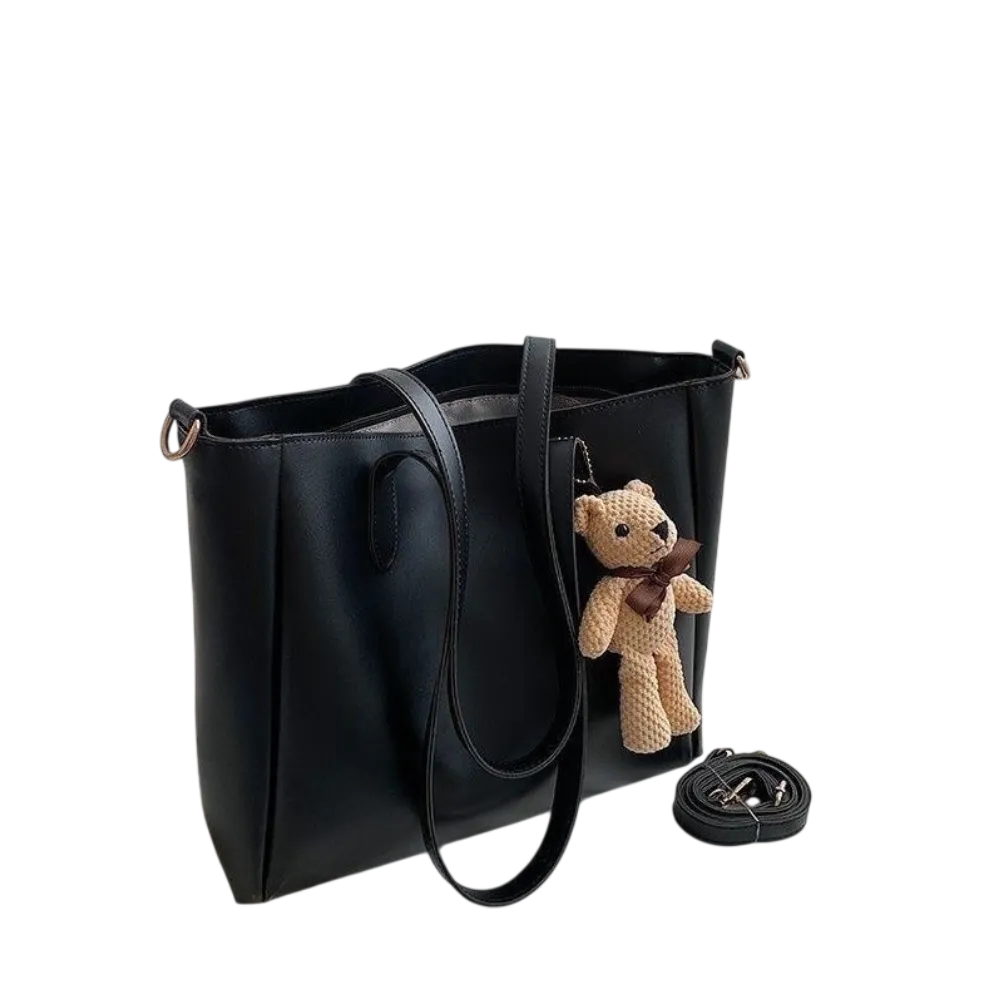
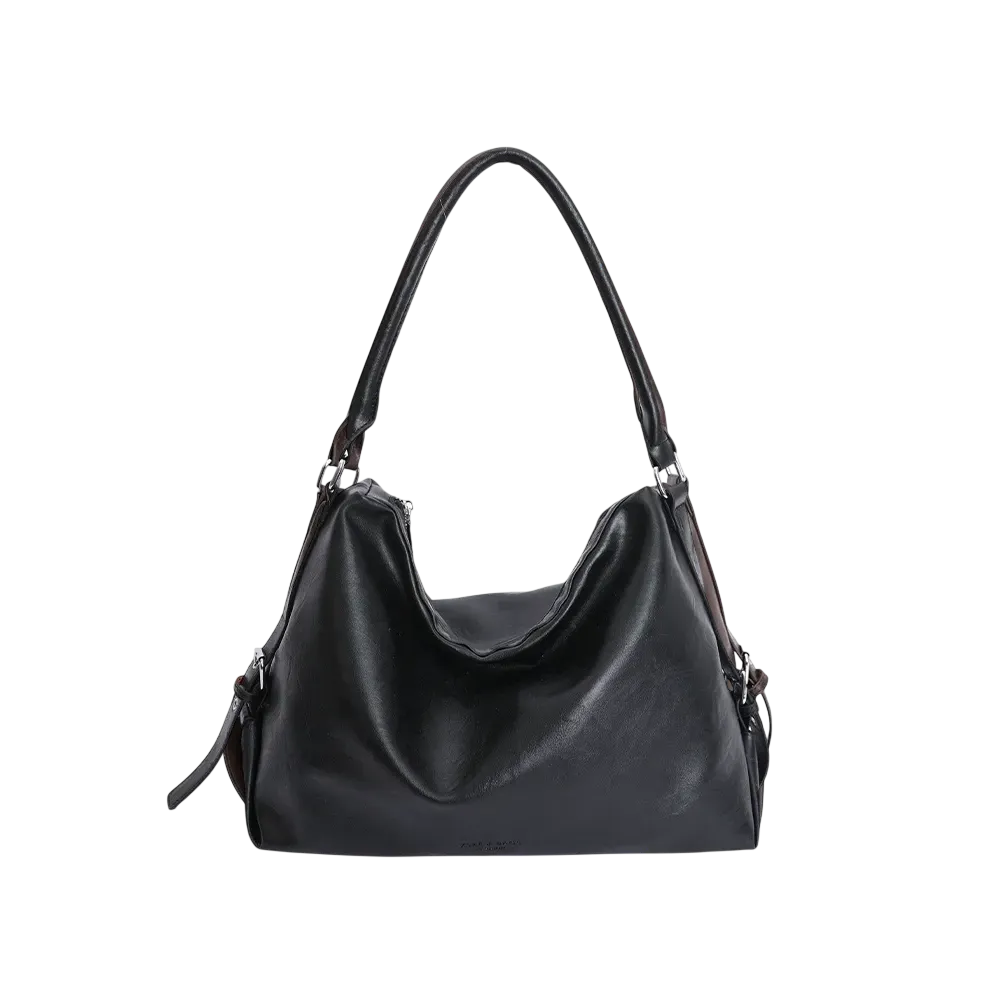
- Medium Structured Shoulder Bags: A well-made shoulder bag in black or navy leather holds work materials without looking like a briefcase. By evening, the same structure reads as polished and intentional. This is the most reliable transitional silhouette.
- Structured Crossbody Bags: A medium crossbody in leather or quality PU leather works for commuters (hands-free during the day) and reads as modern and proportional for evening. Shorten the strap after work to raise the bag closer to the ribcage. For sizing help, our medium crossbody guide covers capacity planning that applies directly to work-evening transitions.
- Minimalist Totes: A simple, hardware-light tote in a refined material can work for both—office documents by day, carried by hand as a statement piece by night. Avoid oversized or logo-heavy designs.
- Convertible Bags: Designs with detachable straps, a top handle, and a crossbody option offer the most flexibility. Remove the crossbody strap for evening and carry by handle only.
What to Avoid
- Overly casual designs: Sporty details, heavy zippers, nylon, or canvas read as “day only” and cannot be dressed up.
- Obvious tech bags: Padded laptop compartments, multiple external pockets, or work-branded details announce “office” in any setting.
- Tiny evening bags forced into work: A micro bag that cannot hold your daily essentials will frustrate you by noon and look worn by evening.
- Bags with visible tech features: Insulated pockets, cable ports, or padded sleeves look out of place in social settings.
Timeless vs Trend: Choosing Wisely
A work-to-evening bag is a long-term wardrobe decision, so it helps to separate enduring silhouettes from seasonal noise. Editors at Vogue’s guide to designer handbags that stand the test of time emphasize versatility, heritage craftsmanship, and silhouettes that work across occasions—exactly the criteria a transitional bag should meet. For seasonal direction without sacrificing wearability, Harper’s BAZAAR’s best fall bags edit shows which structured totes, slouchy carryalls, and sleek clutches are actually worth building a capsule around.
If you want one bag to do more jobs for longer, buying thoughtfully matters more than buying often. The circular-fashion case for versatile handbags is well made by Vestiaire Collective’s resale and circular fashion model: extending a bag’s life through versatile use and secondhand resale keeps quality accessories in rotation instead of landfills.
FAQ
Q: Can a work bag and an evening bag actually be the same bag?
A: Yes—if you choose a medium, polished bag in a professional color with minimal hardware. The bag itself stays the same; how you organize it, carry it, and what you wear with it creates the context shift.
Q: How do I make a work bag look evening-appropriate?
A: Remove work papers during the day, keep personal essentials in a dedicated pocket, shorten or switch the strap, and pair it with clothing that signals evening. A quick mid-day reset makes a noticeable difference.
Q: Should I choose black or brown for a work-to-evening bag?
A: Black bags are the most popular choice; maybe you should give them a try.Meanwhile, black goes with everything.