
Why Heavy Bag Shoulder Pain Happens
Heavy bag shoulder pain is one of the most common daily complaints among commuters, and it rarely comes from one cause. A bag that sits on one shoulder concentrates weight on a small area of muscle, pulls the shoulder downward and encourages you to lean the opposite way to balance. Repeat that every day for months and the muscles in the neck, upper back and shoulder get tired and tight.
This guide explains why heavy bag shoulder pain develops and how to reduce it through weight, strap design, carrying style and habits. It is general information and not medical advice. If you have persistent pain, numbness or tingling, speak with a healthcare professional rather than trying to fix it with a new bag alone.
The Real Culprits: Weight, Strap and Habit
Weight is the biggest factor. Bags tend to collect extras, such as a second pair of shoes, spare chargers, bottles and old receipts, and each addition raises the load. Strap design is the second factor, since a thin strap concentrates pressure while a wide one spreads it. The third factor is habit, because always carrying on the same shoulder trains the same muscles to compensate.
Ergonomics researchers have long studied how uneven and repetitive loads affect the body. The CDC’s NIOSH ergonomics resources are a useful starting point for understanding how repeated strain develops and why reducing it matters.
Start by Lightening the Load
Empty your bag and weigh it. Then remove everything that does not earn its place. Leave a charger at your desk, swap a full-size water bottle for a refill station, and carry cosmetics in a small pouch instead of a full bag. Our guide on how to pack a work bag for commuting shows a practical zone system that reduces weight without sacrificing what you need.
A widely repeated rule of thumb for backpacks is to keep loads to a modest fraction of body weight, and many clinicians suggest the same principle applies to handbags. You do not need to chase a precise percentage. The practical goal is a bag that feels easy to carry after twenty minutes of walking.
Choose a Better Strap and Carrying Style
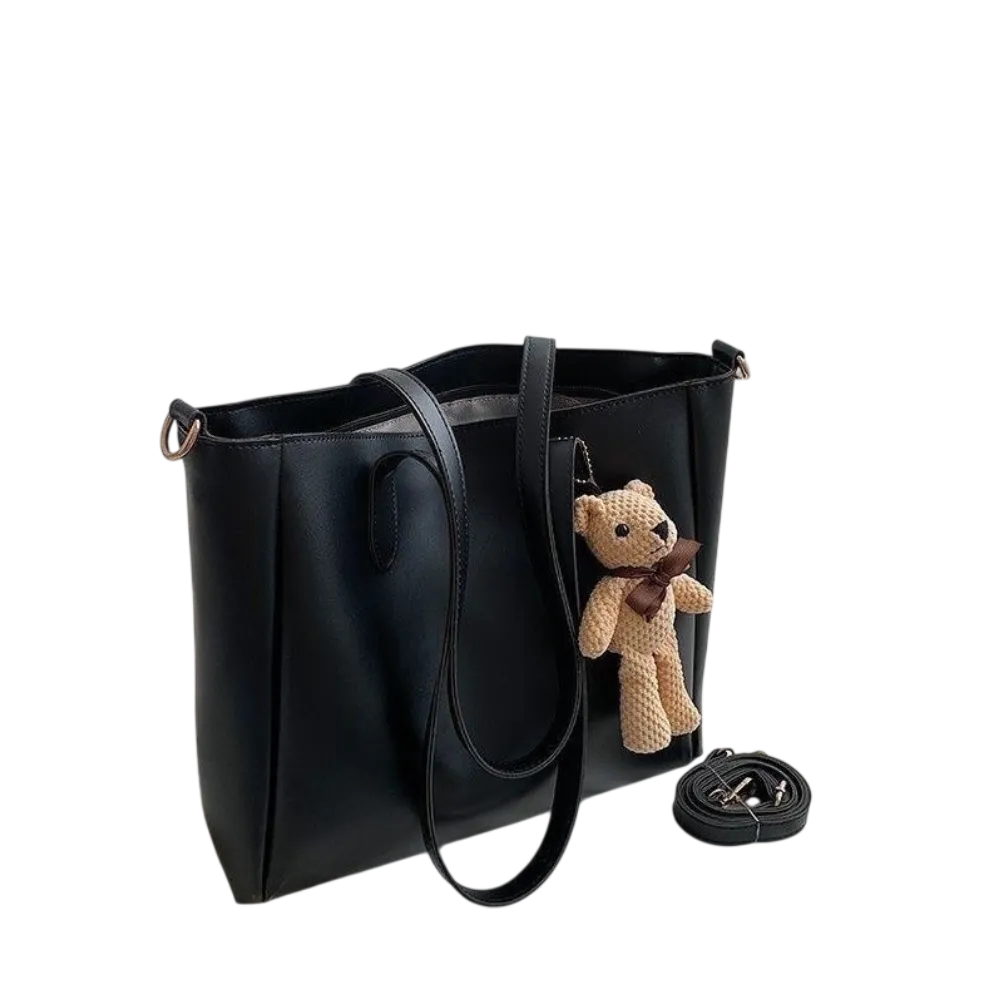
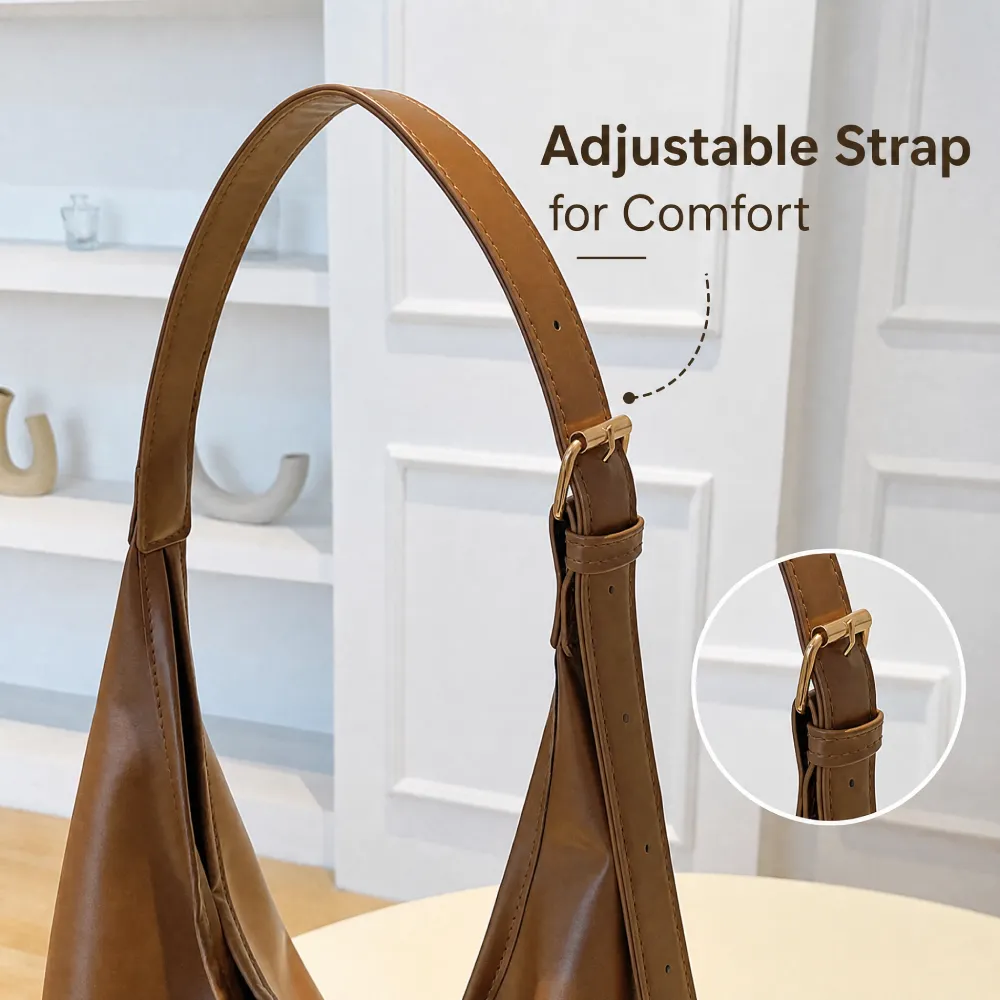
Switching from a thin shoulder strap to a wide, smooth strap often helps immediately, because pressure is spread over a larger area. A crossbody position distributes weight across the torso rather than concentrating it on one shoulder. For many commuters, that alone makes heavy bag shoulder pain noticeably easier to manage.
If you prefer a shoulder bag, look for a padded or slightly flat strap that does not slide off. Our guide to crossbody vs shoulder bag vs tote explains how each carrying style affects balance, and our comparison of shoulder bag vs backpack shows when a backpack is the better choice for heavy daily loads.
Alternate Sides and Take Micro-Breaks
Even a well-designed bag becomes uncomfortable if it stays on one side all day. Make a habit of switching shoulders at natural points, such as when you leave the house, after you board transit and when you walk from the station to the office. If you walk a long distance, move the bag in front of you for a minute to release tension.
Small movements help too. Roll your shoulders back, drop them away from your ears and gently tilt your head side to side. These simple actions interrupt the pattern of holding tension in the same muscles for hours, and they cost almost nothing in time.
Simple Stretches and Strength Habits
Gentle stretching can help muscles recover. Examples include a doorway chest stretch, a slow neck tilt toward each shoulder and a shoulder blade squeeze. Basic strengthening of the upper back and shoulders, such as rows with light resistance, also supports the muscles that carry your bag.
For reliable exercise guidance, consult a source such as the American Academy of Orthopaedic Surgeons OrthoInfo or the Mayo Clinic. Stop any movement that increases pain. Heavy bag shoulder pain that does not improve after you reduce the load and change your carrying habits deserves a professional assessment.
When a Backpack or Different Bag Makes Sense
Some loads are simply too heavy for a handbag. If you carry a laptop, lunch, a change of shoes and a gym bag every day, a well-fitted backpack spreads the weight over both shoulders and your back. A structured tote with a shoulder strap and a short handle can also help, because you can alternate carrying methods.
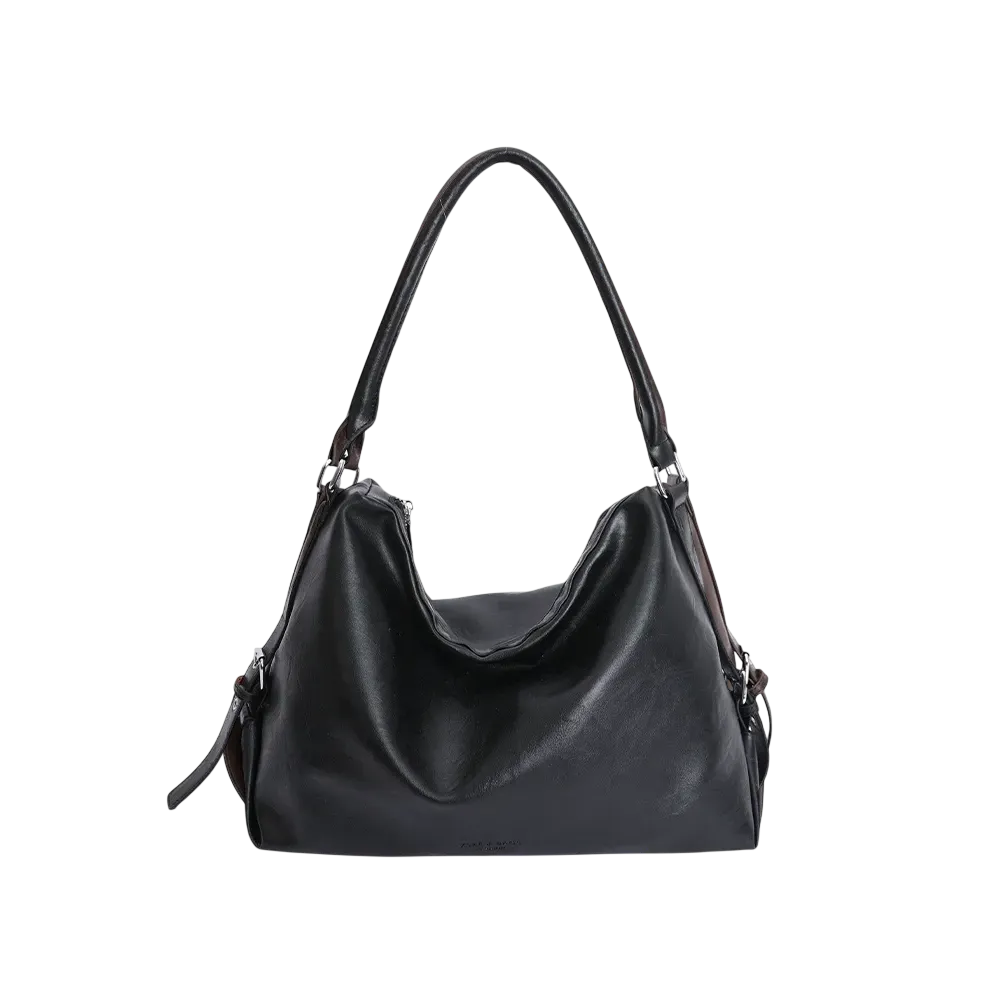
If you prefer a handbag for professional reasons, choose a bag with a stiff base, a wide strap and a balanced shape. A bag that tips or swings forces your body to compensate, which makes heavy bag shoulder pain worse.
Signs It Is Time to Replace the Bag
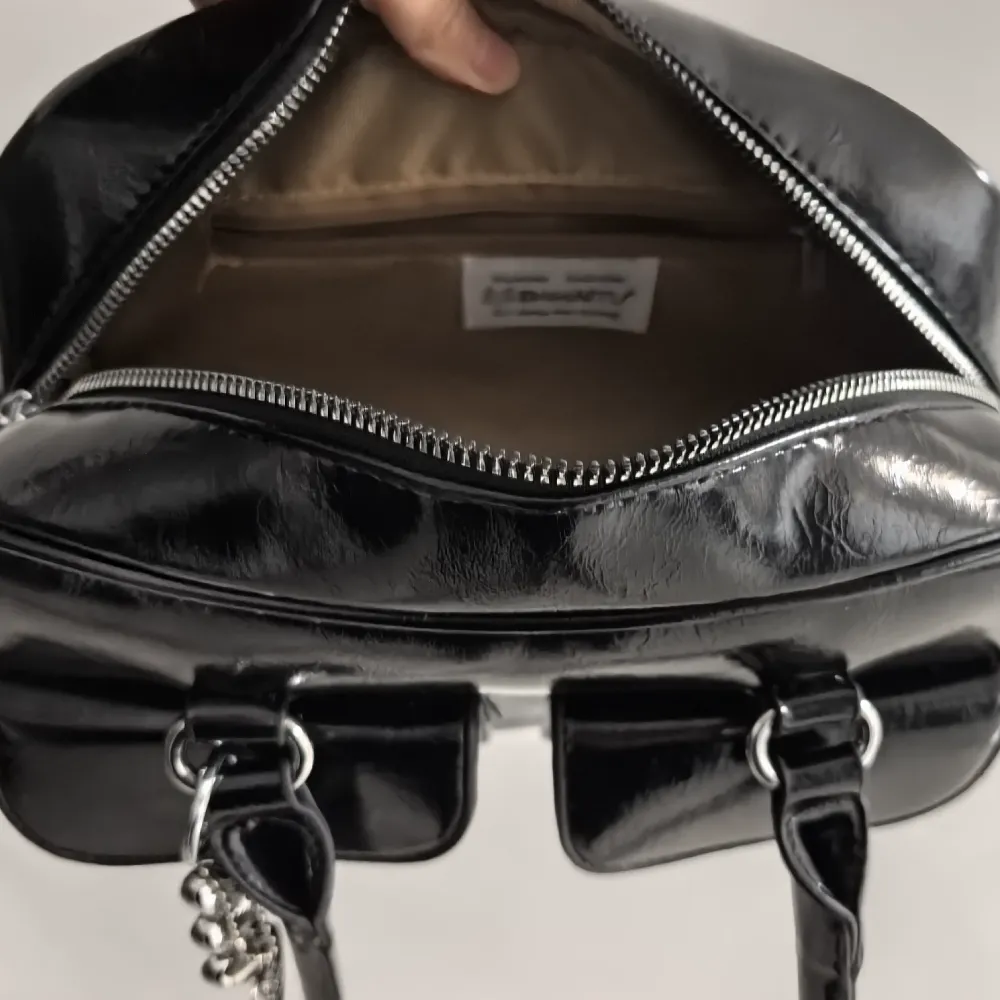
A worn strap can cause problems too. Frayed edges, stretched webbing, thin padding or a strap that no longer sits flat can all increase pressure on the shoulder. Hardware that rubs or squeaks may also be a sign that the bag is no longer supporting its load properly.
If your bag is old and uncomfortable even after you lighten the load, our guide on when to replace your handbag explains how to recognize the end of a bag’s useful life. A comfortable, well-made bag is not a luxury when you carry it every day.
Building a Daily Routine to Prevent Heavy Bag Shoulder Pain
Prevention works better than recovery. In the evening, empty your bag completely and decide what truly needs to go back in. In the morning, load the heaviest items against the back panel, and set a reminder to switch shoulders when you reach the station or office. A short routine like this takes less than two minutes and keeps heavy bag shoulder pain from creeping up through small daily habits.
If your commute includes stairs or long walks, plan one stop to reset your posture and adjust the strap. Small adjustments, such as shortening a crossbody strap so the bag sits snugly against your torso, often reduce swinging that makes the load feel heavier than it is.
Common Myths About Heavy Bag Shoulder Pain
One myth is that a more expensive bag automatically solves the problem. Price does not change the physics of weight, although better straps and balance can help. Another myth is that only very heavy bags cause trouble. Moderate loads carried on the same shoulder for hours can still cause heavy bag shoulder pain if posture and strap design are poor.
A third myth is that stretching alone is enough. Stretching helps, but it works best alongside a lighter bag and a better carrying style. Treat the bag, the habit and the body as parts of the same system, and you will see better results than from any single fix.
If you take only one step today, weigh your bag and remove the first three items you did not use yesterday. That small edit often makes a noticeable difference within a week, and it costs nothing.
FAQ
Q: Why does my shoulder hurt after carrying a bag? A: Weight concentrated on one shoulder, a thin strap and carrying on the same side all day are common causes. See a professional if pain persists.
Q: Is a crossbody bag better for shoulder pain? A: Often yes, because it distributes weight across the torso. Keep the load light for best results.
Q: How heavy should a handbag be? A: As light as possible. If it feels tiring after twenty minutes of walking, remove items until it feels comfortable.
Q: Should I switch shoulders when carrying a bag? A: Yes. Alternating sides reduces repetitive strain on one set of muscles.
Q: Does a wider strap help? A: A wide, smooth strap spreads pressure over a larger area and usually feels more comfortable than a thin strap.
Q: Can a backpack be better than a handbag for heavy loads? A: For heavy daily loads, yes. A backpack distributes weight across both shoulders.
Q: When should I see a doctor about shoulder or neck pain? A: If pain is persistent, severe or comes with numbness or tingling, consult a healthcare professional.
Q: Can an old bag cause pain? A: A worn strap or poor structure can make carrying less comfortable. Replace a bag when the strap or frame no longer works properly.