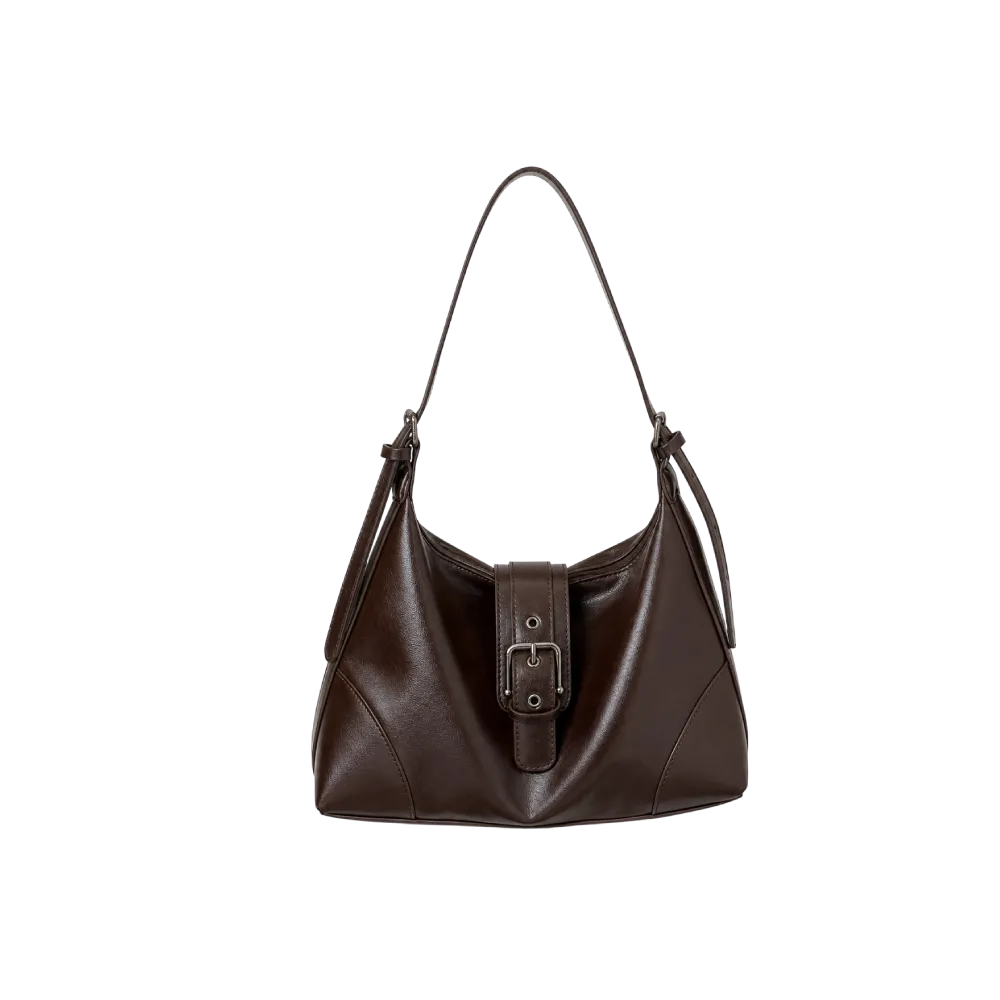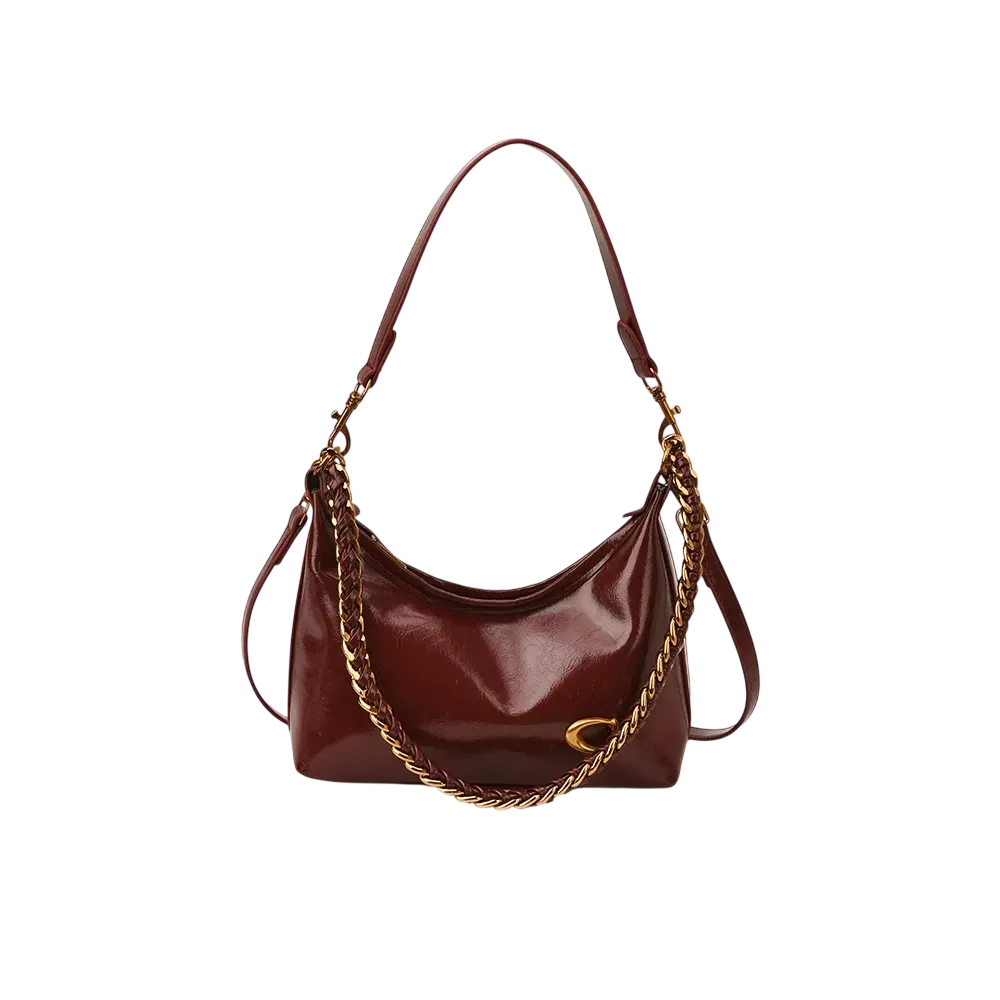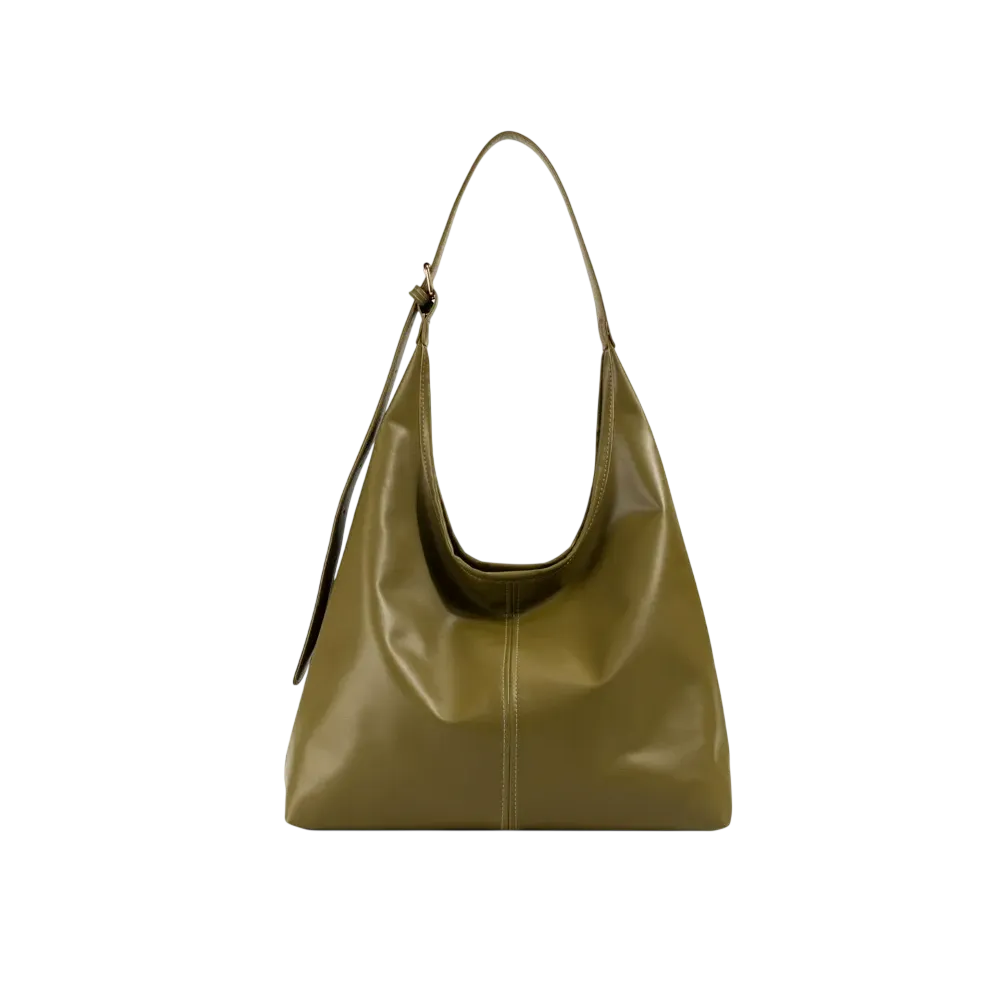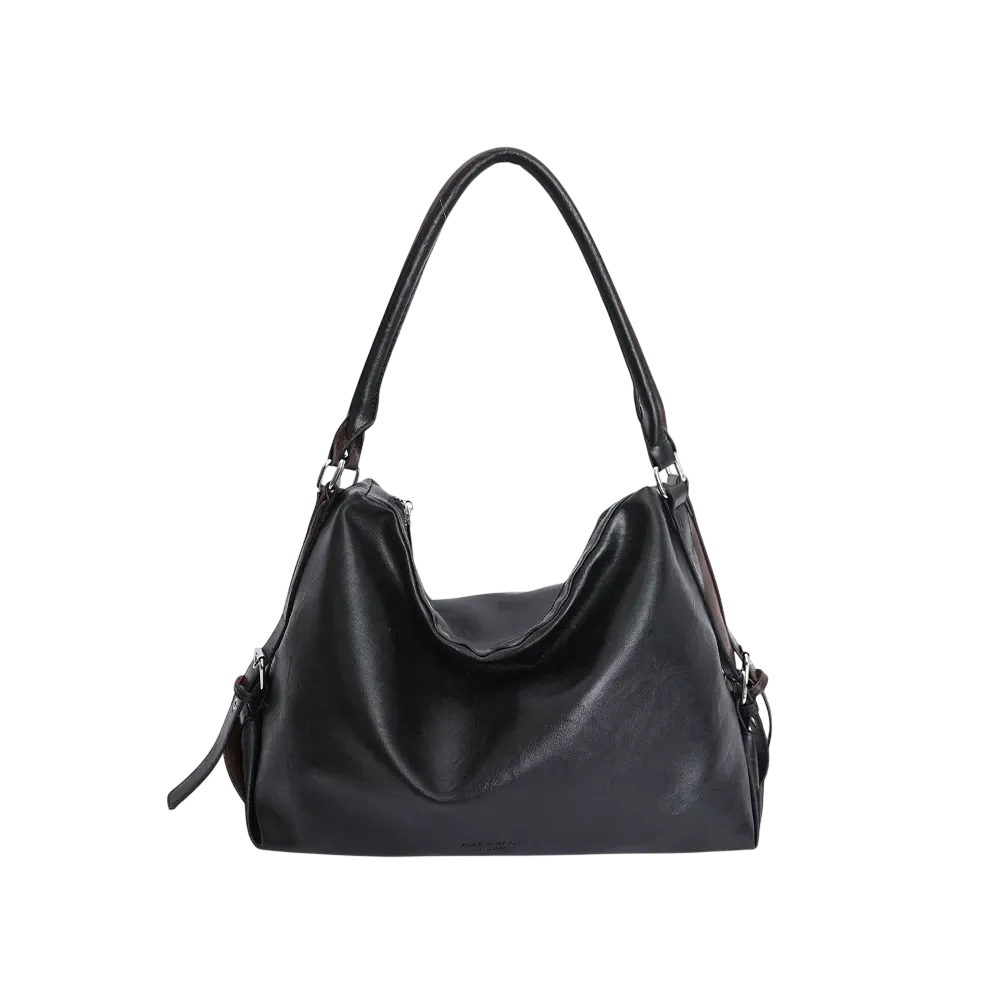
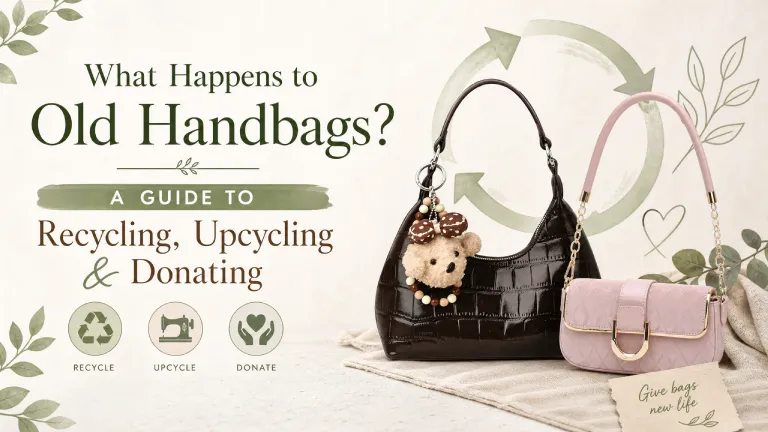
When a handbag no longer aligns with your lifestyle—whether due to wear, evolving aesthetics, or changing daily demands—disposal should be the last resort. Discarding handbags contributes to unnecessary textile waste, particularly when quality construction and materials still hold value. According to the U.S. EPA’s overview on recycling and reuse materials, diverting textiles from landfills is a growing priority, and the Ellen MacArthur Foundation’s work on circular fashion underscores how extending product lifecycles can significantly reduce environmental impact. By exploring alternatives such as donation, upcycling, and responsible recycling, you keep bags in use longer and support a more circular apparel economy.
The destination of an unused handbag carries both ecological and practical weight. A structured bag in good condition can serve another owner for years. Even a compromised piece can be reimagined through craftsmanship or material recovery. Each decision reflects a commitment to reducing landfill dependency.
Donation: The First and Most Impactful Option
If your handbag remains functional, donation is typically the most effective path. The item stays in active use rather than being prematurely discarded. Major nonprofit networks such as Goodwill Industries donation guidelines and local Salvation Army chapters generally accept handbags in wearable condition, helping fund community programs while keeping textiles in circulation.
Where to donate:
- Thrift retailers (e.g., Goodwill, The Salvation Army) accepting wearable-condition bags
- Local charities and community outreach programs
- Women’s shelters and transitional housing initiatives (often seeking professional-style bags)
- Consignment stores specializing in vintage or pre-owned luxury and everyday bags
- Online local-giving platforms such as Freecycle or Buy Nothing groups
- Religious institutions and social-service agencies
Most organizations require structural integrity, an intact lining, and a working closure or zipper. Superficial wear, light staining, or patina is generally acceptable. A bag with a broken strap or failed hardware may be declined by standard thrift operations, though repair-focused nonprofits may accept it.
Pre-donation protocol:
Clean the exterior and interior thoroughly, remove all personal items, confirm that zippers and closures operate smoothly (or can be easily serviced), and include any original detachable straps or dust covers. Transparency about condition is essential when donating to inventory-dependent organizations.
Creative Upcycling for Bags Beyond Repair
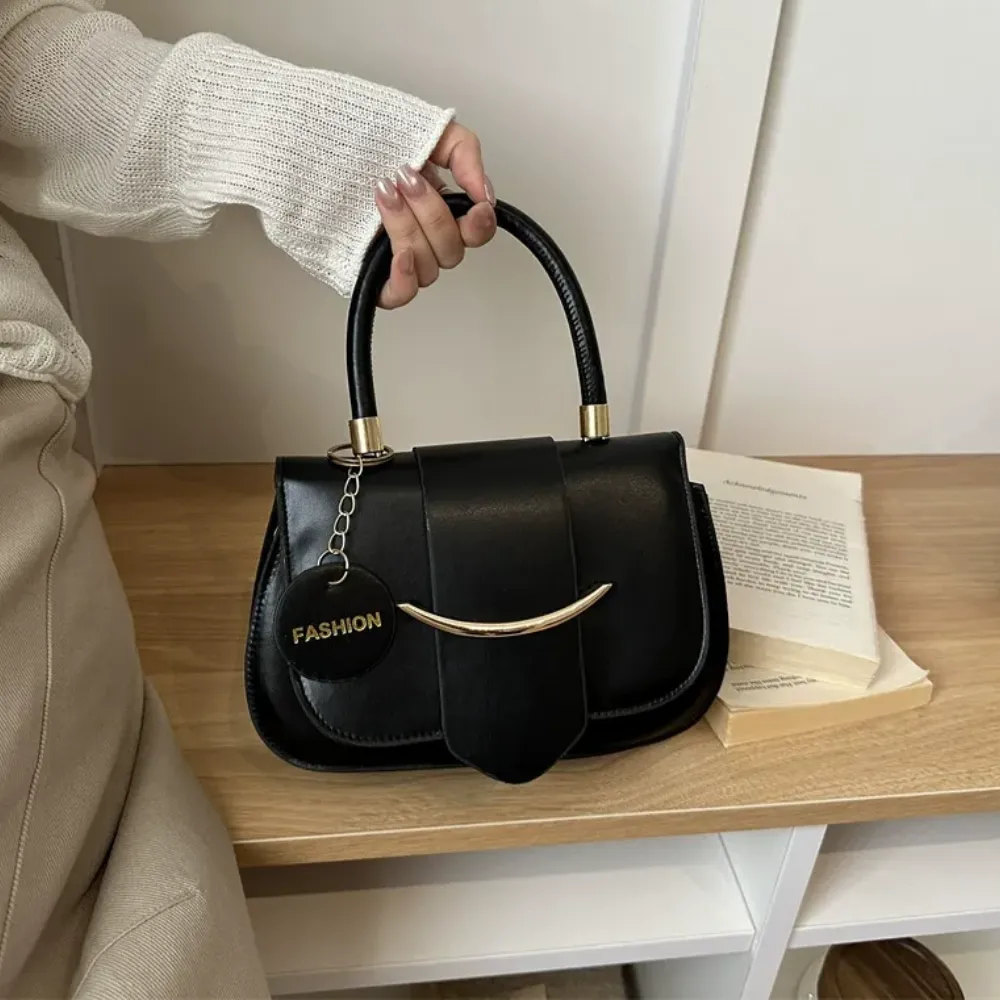
When damage precludes donation but materials retain quality—or sentiment justifies preservation—upcycling offers a compelling alternative. The EPA’s Sustainable Materials Management priorities encourage finding higher-value uses for existing products before considering end-of-life processing, and creative reuse is a practical way to apply that hierarchy at home.
Material Reclamation
Disassemble the bag to salvage:
- Leather or PU leather panels for phone sleeves, card holders, or keychains
- Hardware (buckles, chains, clasps) for jewelry or accessory design
- Textile linings for small pouches or patchwork
- Sturdy handles as replacement straps or decorative accents
Professional and DIY Routes
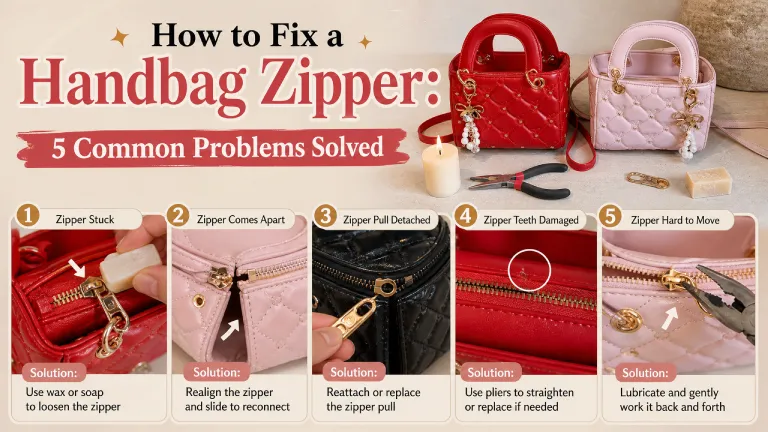
Artisans specializing in sustainable fashion or leatherwork can transform outdated or damaged bags into renewed designs. While commissioning a professional involves cost, it yields a polished, custom result. For hands-on owners, projects such as relining, re-edging, or reshaping silhouettes can resurrect a beloved piece. If zipper or closure issues are what sidelined the bag, consult How to Fix a Handbag Zipper: 5 Common Problems Solved before deciding it is beyond use.
Recycling Realities: PU Leather, Canvas, and Mixed Materials
Synthetics and Coated Fabrics
PU leather and other petroleum-based synthetics are not biodegradable, and most municipal or standard textile-recycling streams cannot process them efficiently. Specialized facilities are emerging, but availability is limited. In most cases, keeping a PU bag in circulation via donation—or repurposing it—is more responsible than sending it to a recycling channel that may not exist locally. For context on selecting and maintaining these materials, see our PU Leather Crossbody Bags: A Complete Buyer’s Guide.
Natural Fibers
Canvas, cotton, and other plant-based textiles are broadly accepted by textile-recycling programs and community collection events. If a canvas tote or bag is no longer donation-appropriate, this is a viable end-of-life route.
Structural Challenges
Handbags are inherently complex: mixed materials (tanned or coated skins, synthetic linings, metal hardware) and permanent assembly methods make disassembly difficult. Until infrastructure catches up, donation and upcycling remain more viable than recycling for the majority of consumers.
Designing for Longevity from the Start
Reducing future waste begins at purchase. Selecting enduring designs and maintaining them diligently decreases replacement frequency. Resources like the Ellen MacArthur Foundation’s circular design framework for fashion emphasize designing out waste and keeping products in use—principles that apply directly to how we buy and care for bags.
- Invest in durable construction: Quality PU leather, canvas, and reinforced stitching withstand daily use. A Vegan Shoulder Bags: A Complete Buyer’s Guide can help if you’re avoiding animal-derived materials without sacrificing longevity.
- Favor timeless silhouettes: A classic shoulder bag or streamlined crossbody outlasts trend-driven shapes. Neutral staples support a longer lifecycle and are easier to donate or upcycle later.
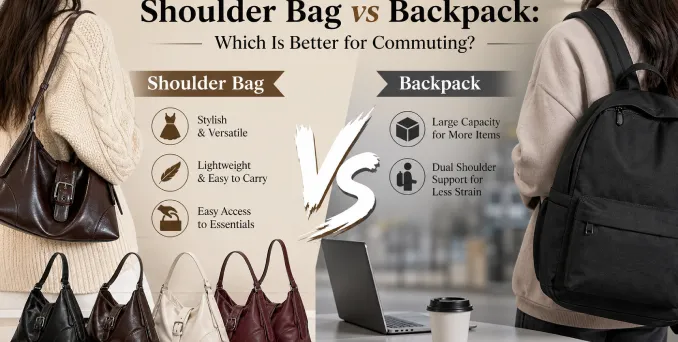
- Maintain proactively: Routine care preserves finish and structure. If you’re deciding between formats, our Crossbody vs Shoulder Bag vs Tote: Which One Fits Your Lifestyle? breaks down functional differences to help you buy once and buy right.
- Repair promptly: Address loose stitching, worn corners, or sticking zippers early. Repair extends ownership and delays disposal.
Building a smaller, higher-quality assortment—and treating each piece as a long-term asset—is the most sustainable strategy. The most responsible handbag is the one already in your possession, maintained and used for years. For style inspiration that prioritizes longevity over fleeting fads, browse How to Style a Shoulder Bag for Different Outfits & Occasions.
Frequently Asked Questions
Q: Can I donate a handbag with a broken zipper?
A: Policies vary. Most thrift stores reject non-working closures, but repair-oriented charities may accept them. Verify beforehand. If it’s a simple fix, How to Fix a Handbag Zipper: 5 Common Problems Solved may help you restore it first.
Q: How do I recycle an old handbag?
A: Natural-fiber bags (canvas, cotton) can often go to textile recycling. For PU or mixed-material bags, infrastructure is limited; prioritize donation or upcycling and check local facility guidelines. The EPA’s textile and materials recovery resources are a good starting point for understanding what’s accepted.
Q: Is upcycling expensive?
A: DIY costs are modest if you have tools and skills. Professional upcycling costs more than casual repair but typically less than purchasing a comparable new item, while delivering a unique result.
Q: How can I avoid accumulating obsolete handbags?
A: Choose durable, timeless designs; clean and store them correctly; and repair rather than replace. These habits extend usable life and reduce eventual waste.