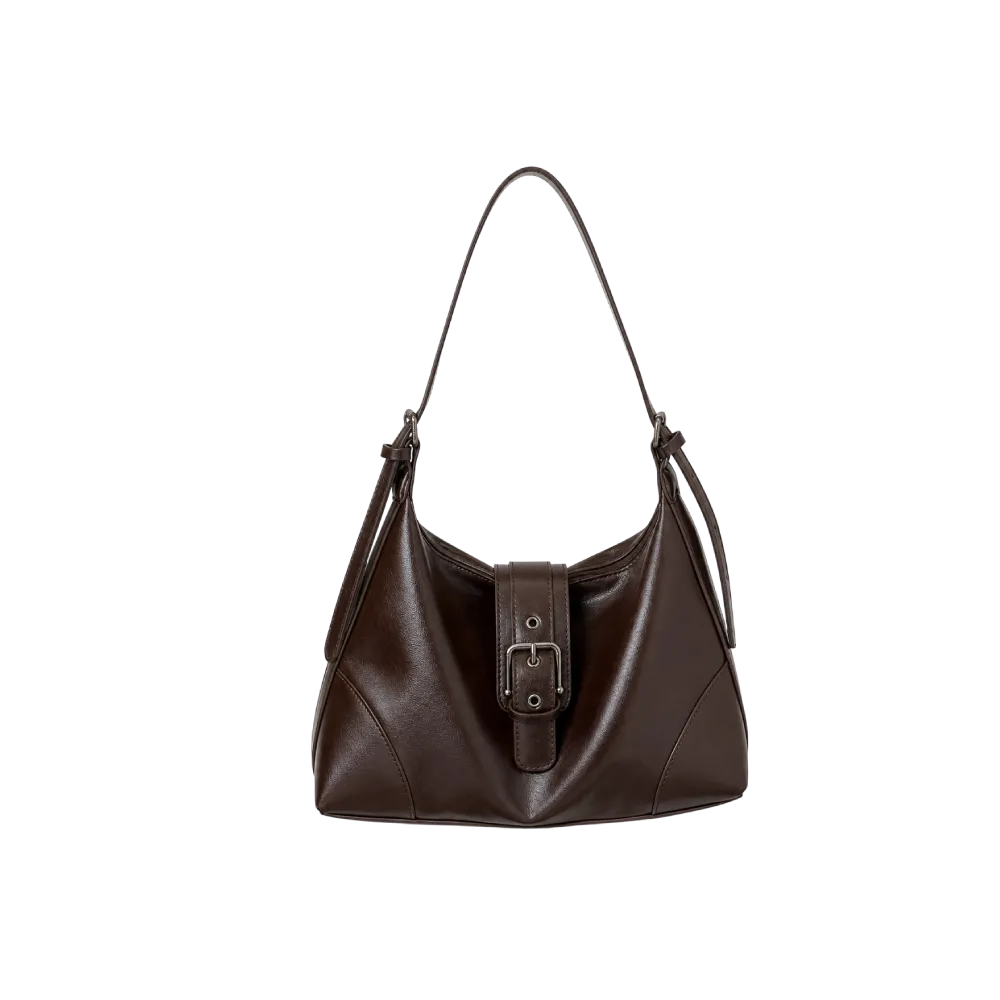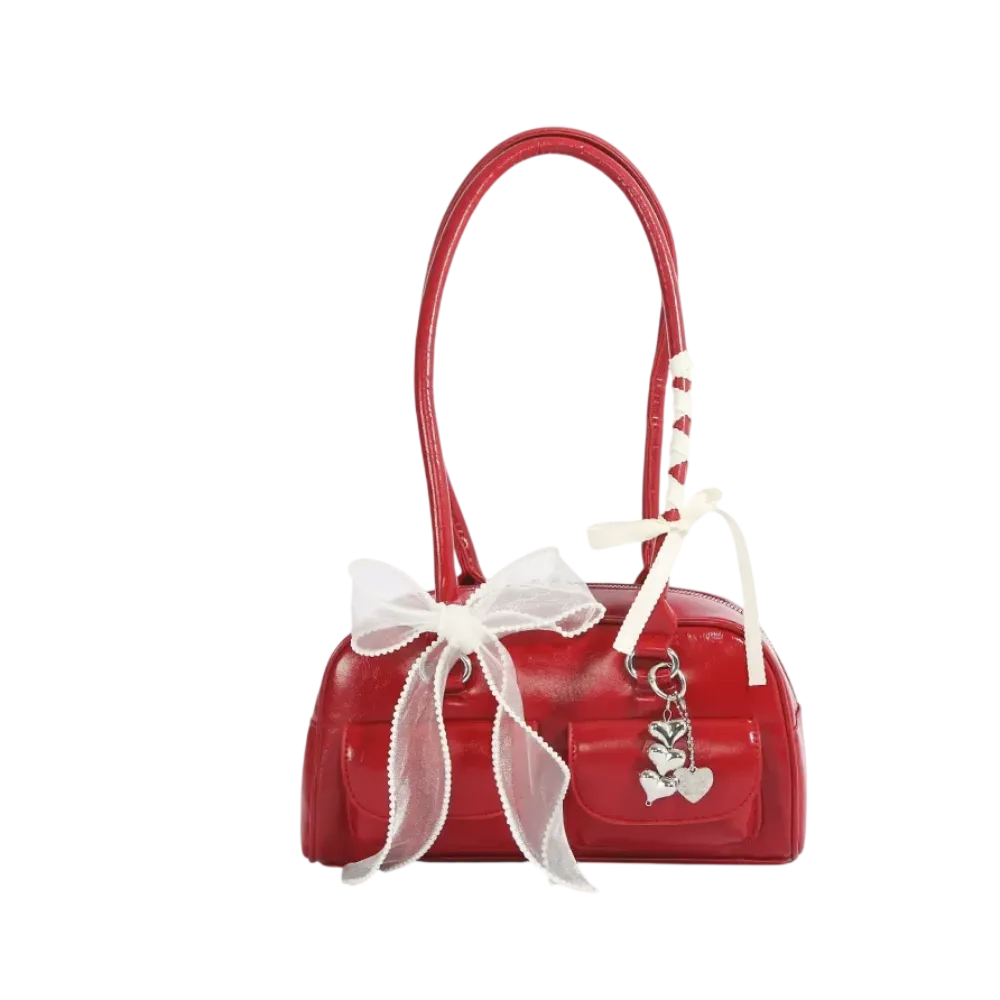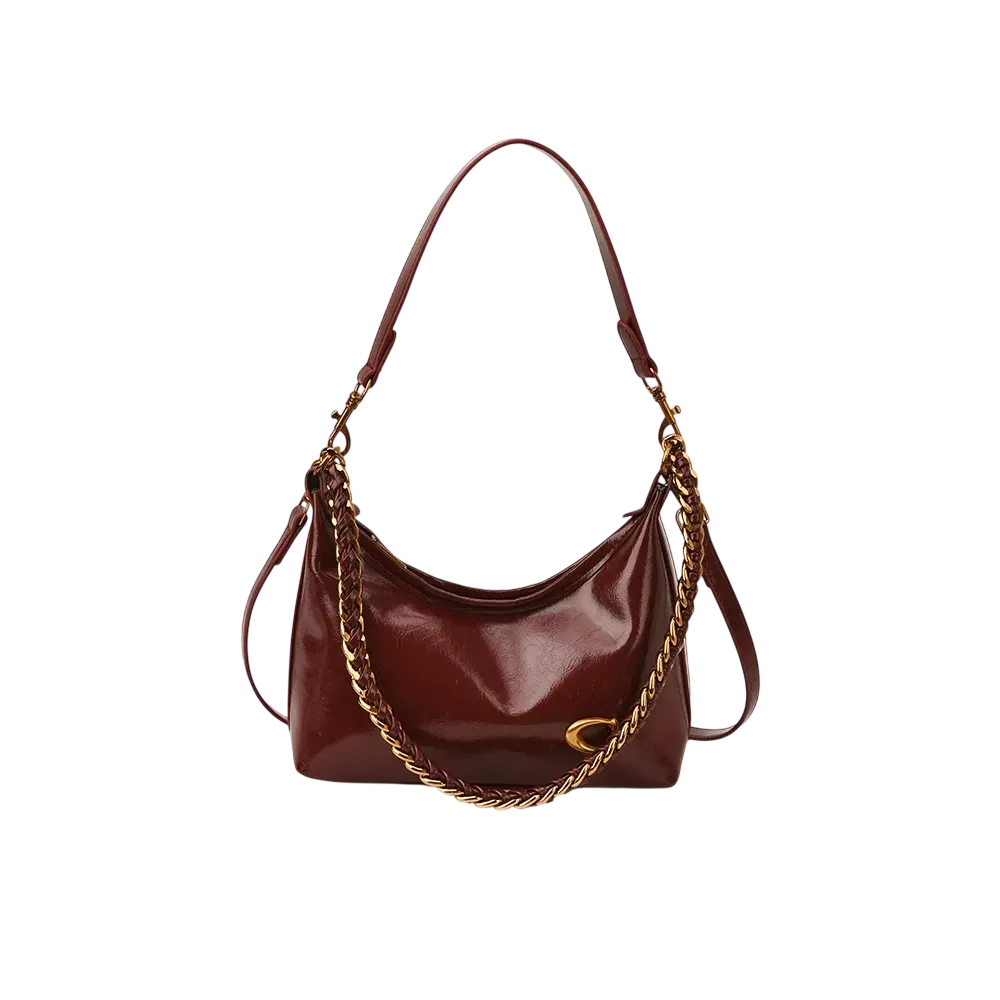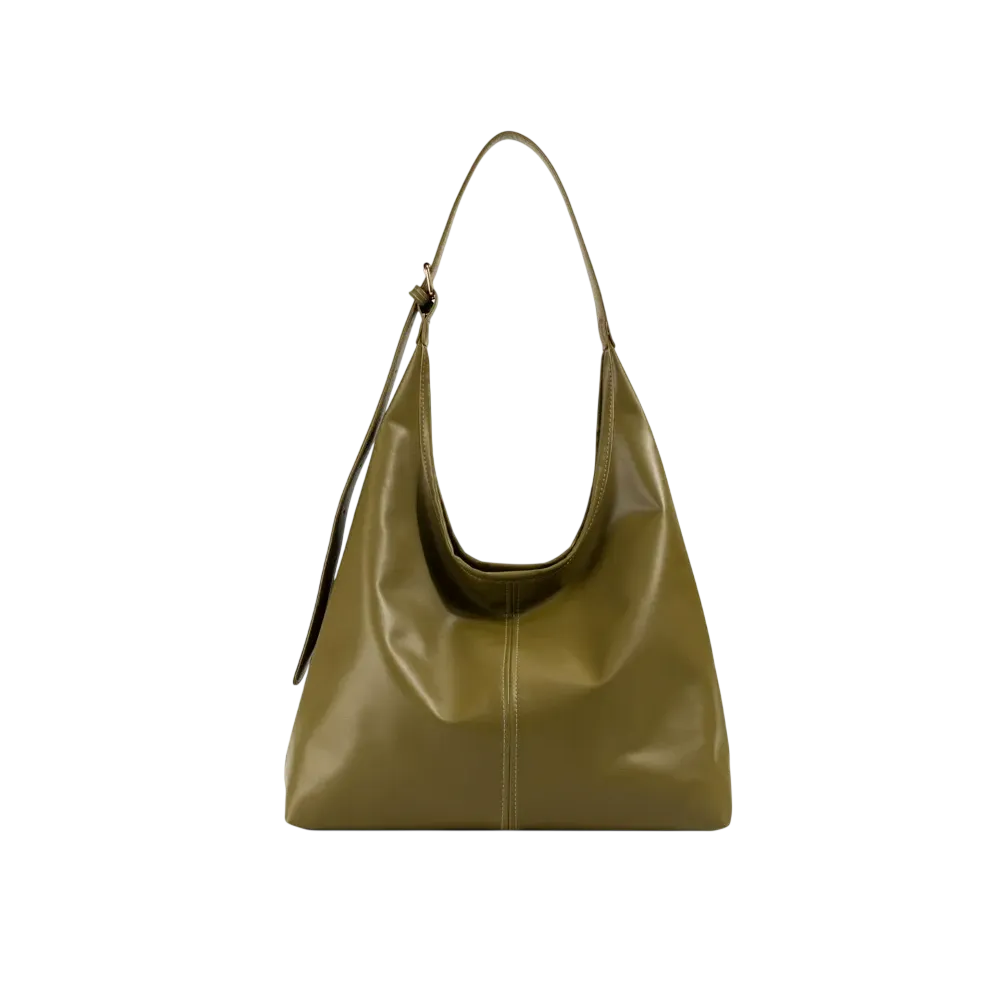
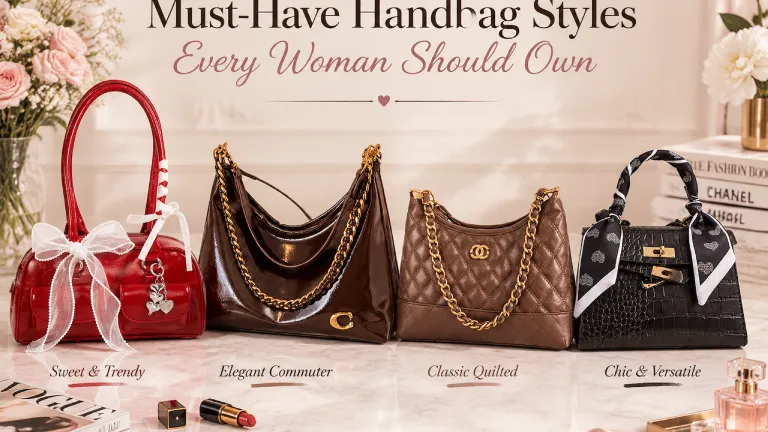
A truly functional handbag collection does not require dozens of bags. Most wardrobes benefit from a small set of versatile styles, each serving a specific purpose. These must-have handbag styles have remained useful for years—not because of passing trends, but because they solve real carrying problems that never go out of style.
The concept of must-have handbags is not about luxury or status. It is about having the right tool for different scenarios. Just as you would not wear work shoes to the gym, you do not need to carry the same bag to a business meeting and a weekend hike. Strategic variety means fewer moments when you feel your bag is wrong for the occasion—and fewer bags sitting unused in a closet.
The Everyday Shoulder Bag: Your Foundation Piece
An everyday shoulder bag is the anchor of almost every practical handbag collection. This style sits on one shoulder, allows quick one-handed access to contents, and transitions naturally between casual and polished settings. For a deeper look at how this silhouette compares to other formats, see our shoulder bag vs crossbody bag vs tote comparison.
Why It Is Must-Have:
- Used for the majority of daily activities—commuting, shopping, coffee runs, casual outings
- Feels natural in work environments without reading as overly formal
- Allows one-handed access (reach your phone or keys while holding a coffee)
- Available in countless materials and colors to match your personal style
What to Look For:
Choose a neutral color (black, brown, tan) that works with most outfits. Medium capacity balances practicality with comfort—large enough for daily essentials but not so large it becomes a catch-all. A wide, padded shoulder strap reduces strain on longer carries. Internal organization (pockets and compartments) prevents the frustration of searching for small items at checkout.
Most people benefit from owning one everyday shoulder bag as a baseline. Many own two—one for colder months (darker, heavier material) and one for warmer seasons (lighter color, breathable fabric).
The Structured Work Bag: Professional Presence
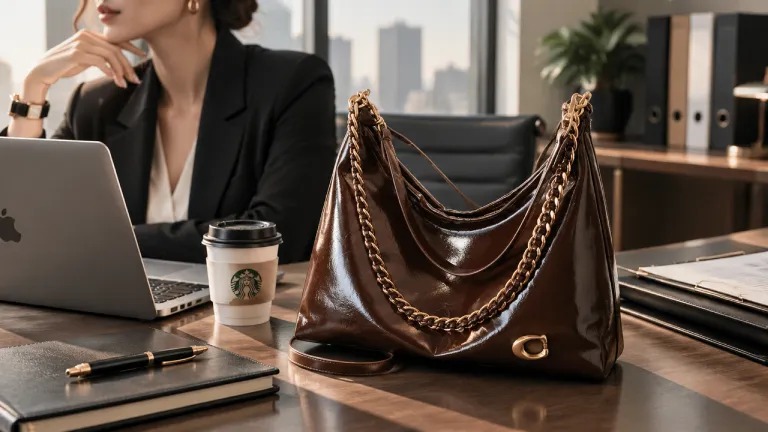
A structured work handbag is specifically designed to hold the items required for a professional environment: a laptop or tablet, documents, notebook, and work accessories. Unlike a general shoulder bag, a structured work bag prioritizes professional appearance and capacity over casual versatility. If you are evaluating materials for a work-appropriate piece, our genuine leather vs PU leather guide breaks down durability and polish trade-offs.
Why It Is Must-Have:
- Carries work equipment safely and projects a polished image in office and client settings
- Protects sensitive items (laptop, documents) better than soft casual bags
- Creates a clear boundary between personal and work items—no mixing receipts with reports
- Signals professionalism through structured design and considered color choices
What to Look For:
A dedicated laptop compartment that fits your device with padding. Enough capacity for documents and work materials without requiring a second bag. A structured silhouette that stands upright on a desk. Neutral color (black, brown, navy, gray) that pairs with work clothing. Multiple interior pockets for pens, chargers, and cards.
If you work in a traditional office, a structured work bag is essential. If you work remotely or in casual environments, you might rely on an everyday shoulder bag instead—but many find the mental separation of a dedicated work bag improves focus.
The Crossbody Bag: Hands-Free Security
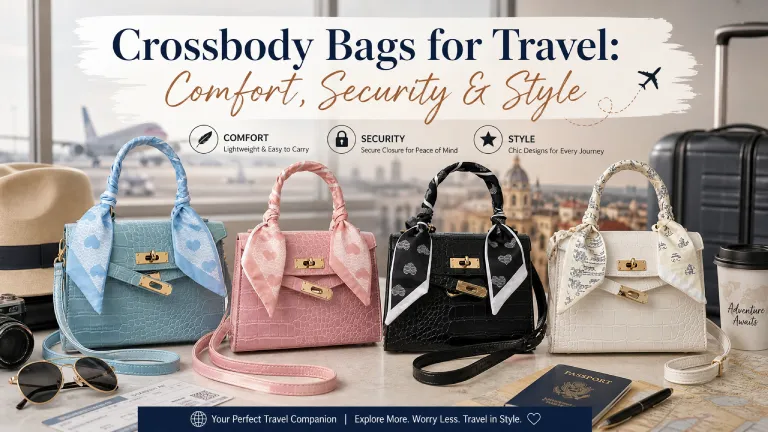
A crossbody bag is worn diagonally across the body, leaving both hands free. This style is must-have for specific situations: travel, crowded public transit, managing a child or stroller, or any scenario where you need mobility without constantly adjusting your bag.
Why It Is Must-Have:
- Hands-free carrying is practical for active days and multitasking
- Stays secure close to your body in crowded places—harder for pickpockets to access
- Distributes weight across the torso, reducing shoulder fatigue on long walks
- Works for travel, commuting by transit, and active errands where a shoulder bag would slip
What to Look For:
Adjustable strap length that customizes fit for different clothing layers and situations. Secure closure (zipper preferred over magnetic snap). Quick-access pockets for phone and transit cards. Comfortable strap padding if you plan to wear it for extended periods. For sizing guidance, our medium crossbody bags for travel guide covers capacity planning that applies to daily use as well.
The Evening/Occasion Bag: Polished Minimalism
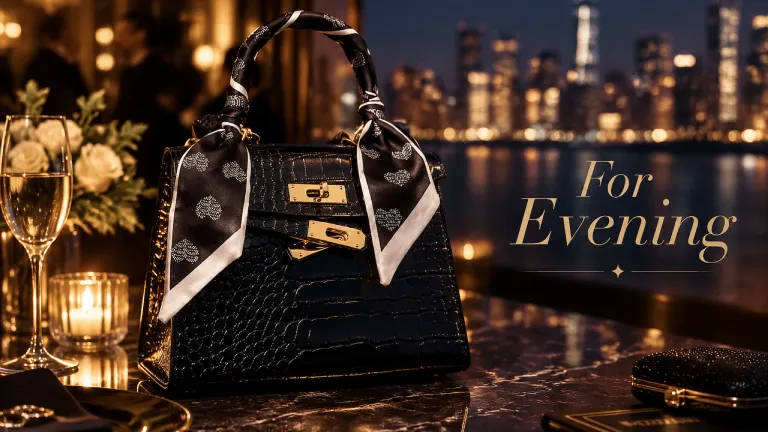
An evening or occasion handbag is compact, polished, and designed to complement formal clothing. This style holds essentials only: keys, phone, lip product, ID, and a payment card. For seasonal context on which colors and shapes are worth investing in, see our 2026 shoulder bag trends overview.
Why It Is Must-Have:
- Pairs with formal dresses, evening outfits, and occasion clothing without overwhelming the silhouette
- Smaller scale matches the proportions of dressier looks
- Adds a deliberate finishing touch as part of your overall outfit
- Appropriate for weddings, formal dinners, theater, and special events
What to Look For:
Compact size (must fit your phone, keys, and a slim wallet). Polished material (leather, quality PU leather, or fabric with structure). Interesting hardware or closure details that read as intentional. Strap options that work for carrying by hand, on the wrist, or over the shoulder. A neutral or complementary color—metallic, black, jewel tone, or nude depending on your event wardrobe.
The Tote Bag: Maximum Capacity
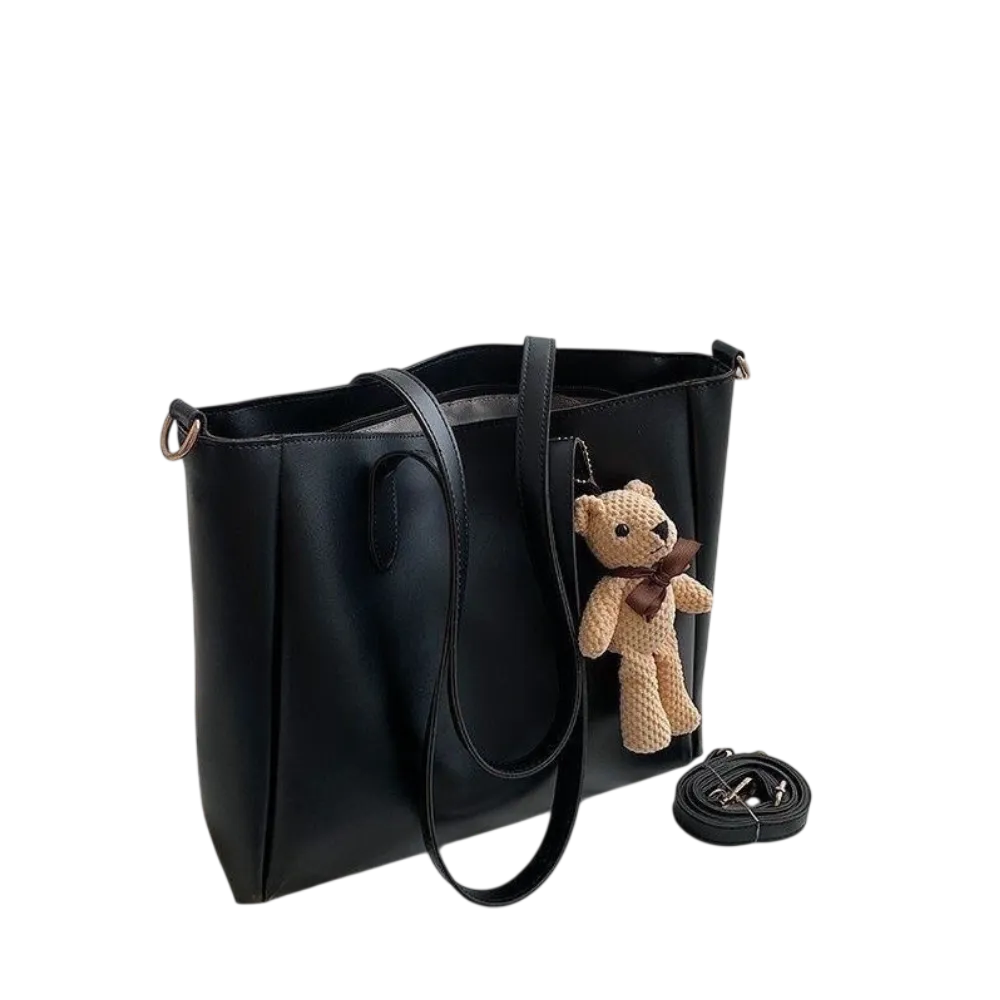
A tote bag is large, typically open-top, and practical for carrying multiple items. Traditional totes handle shopping and daily hauls; structured designer totes bridge casual and professional use.
Why It Is Must-Have:
- Carries high volume (groceries, multiple work items, travel essentials, gym clothes)
- Simple silhouette works for casual to business-casual settings
- Quick access without digging through compartments or closures
- Practical for anyone who needs to transport books, documents, or shopping frequently
What to Look For:
Sturdy handles that can support weight without stretching. Durable material (canvas, reinforced nylon, or quality leather). Large enough for your actual carrying needs—measure before buying. Optional interior zip pocket to prevent small items from sinking to the bottom. Neutral color for maximum versatility.
The Weekend/Casual Bag: Relaxed Utility
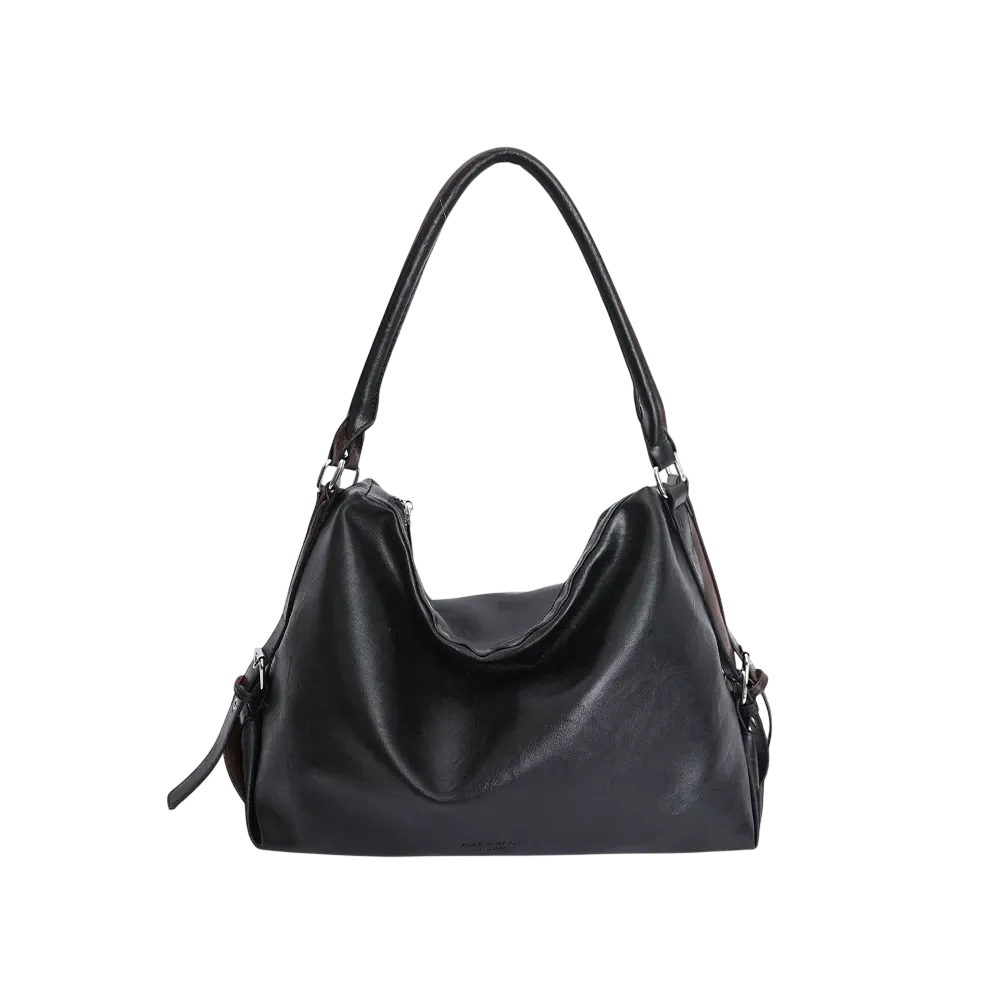
A casual bag is unstructured, often softer, and designed for relaxed outings. This might be a soft slouchy shoulder bag, a casual crossbody, or a simple hobo style.
Why It Is Must-Have:
- Pairs naturally with casual clothing (jeans, weekend knits, athleisure)
- Feels appropriate for errands, casual socializing, and leisure without looking overdressed
- Often more affordable than structured investment pieces—easier to replace or refresh
- Forgiving materials hide everyday marks and scuffs
What to Look For:
Comfortable strap for extended casual carrying. Material and color that hide daily wear. Simple design that does not require careful outfit coordination. Capacity for a normal day’s carrying without feeling bulky.
Color Strategy for a Cohesive Collection
A smart handbag collection is not just about silhouettes—color planning prevents redundant purchases:
- One neutral everyday bag (black or brown) that works with almost everything in your closet
- One structured work bag in a professional neutral (black, navy, or brown)
- One evening bag that complements your typical formal colors (metallic for versatility, or a match to your most-worn occasion outfit)
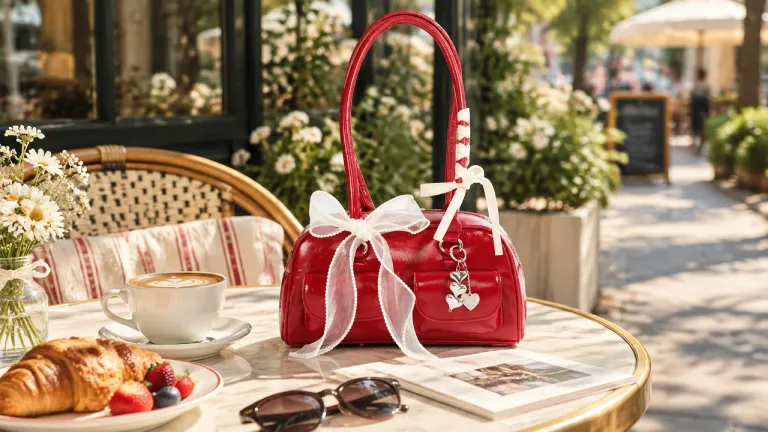
- One casual bag in a color that suits your weekend wardrobe—this is where you can be playful
This approach means each bag has a defined purpose, nothing duplicates function, and your collection remains manageable while covering all realistic scenarios. Quality matters more than quantity—three well-chosen bags outperform eight impulse purchases that rarely leave the shelf.
For authoritative context on why buying fewer, better bags matters environmentally, the EPA’s recycling and reuse materials resource highlights textile waste reduction through considered consumption. The Ellen MacArthur Foundation’s circular fashion framework reinforces designing out waste by choosing durable, versatile pieces. And for practical donation guidance when you do decide to rotate older bags out, Goodwill’s donation guidelines outline what condition standards apply.
FAQ
Q: How many must-have handbags should I actually own?
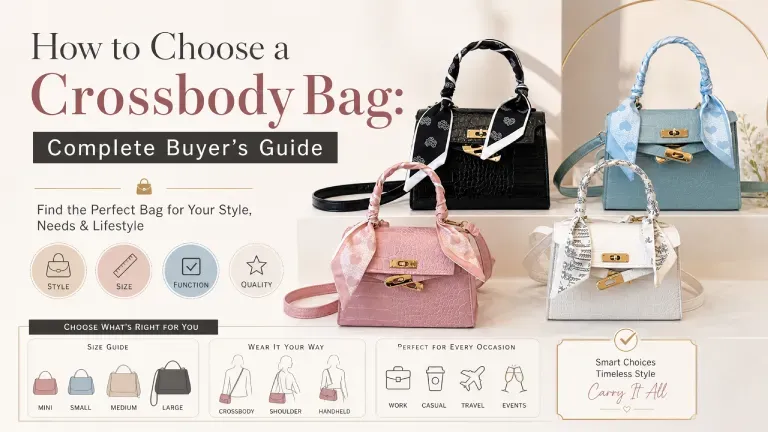
A: Most people benefit from three to five: an everyday shoulder bag, a work bag (if needed), a crossbody or casual option, and an evening bag. Quality and frequency of use matter more than hitting a specific number.
Q: Can one handbag be structured enough for work and casual enough for weekends?
A: It is possible with a minimal, structured leather shoulder bag in a neutral tone—but it is a compromise. A bag designed for work often feels overly formal for Saturday errands, while a casual bag may not project professionalism in client meetings. Separate bags allow each to be optimized for its setting.
Q: Should my must-have handbags all be neutral colors?
A: Not necessarily. One neutral everyday bag is practical. Other bags can reflect your personality and wardrobe. What matters is that colors work with clothes you actually own and wear, not that every bag blends into beige.
Q: Is it worth investing in expensive must-have handbags?
A: Brand name does not equal quality. A well-made mid-range bag with reinforced stitching, quality hardware, and durable material often outperforms an expensive but poorly constructed designer piece. Invest in the bags you use most frequently—your everyday shoulder bag and work bag deserve the highest quality you can afford.