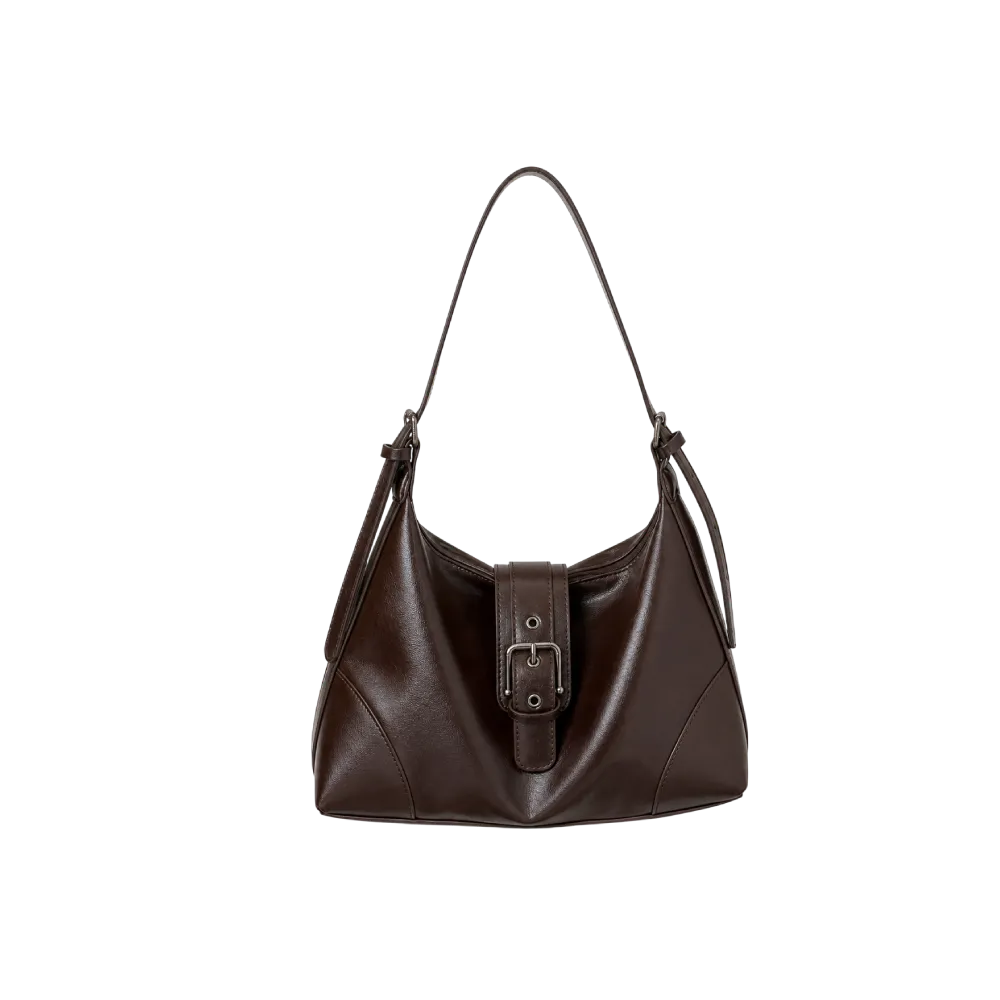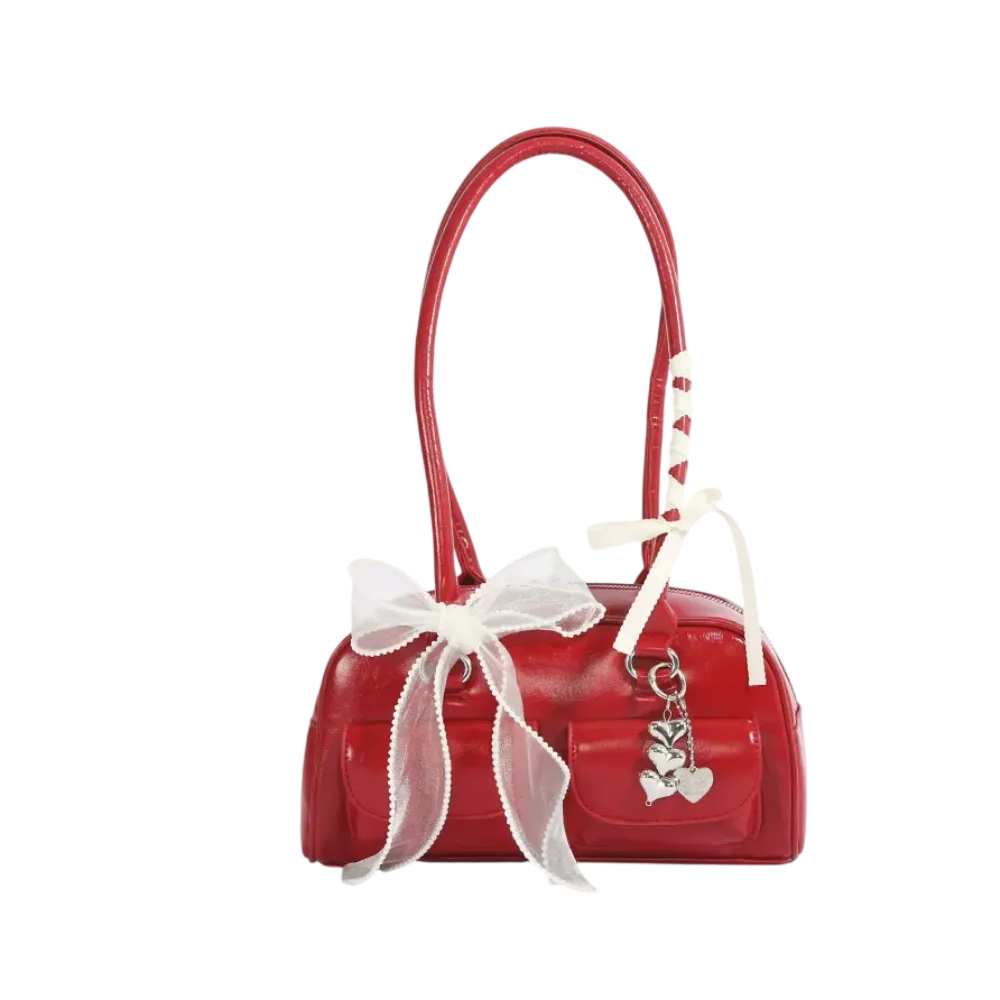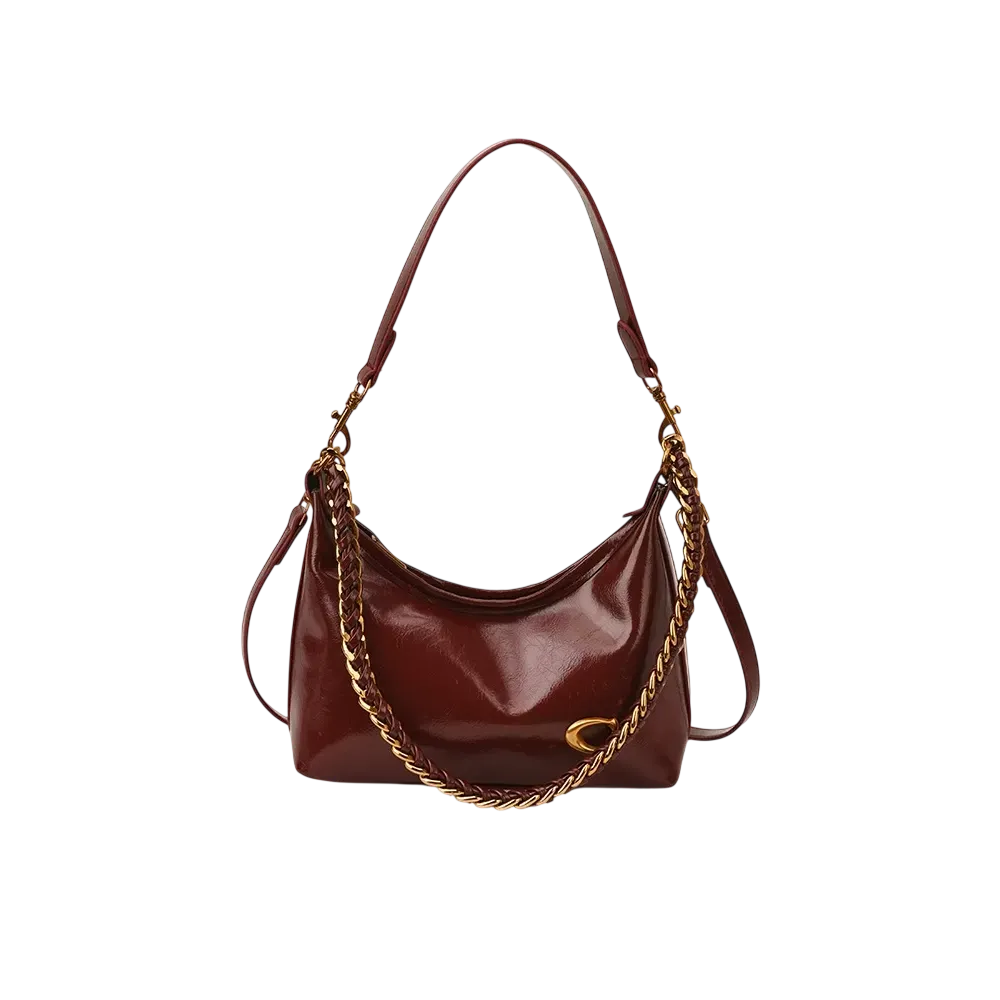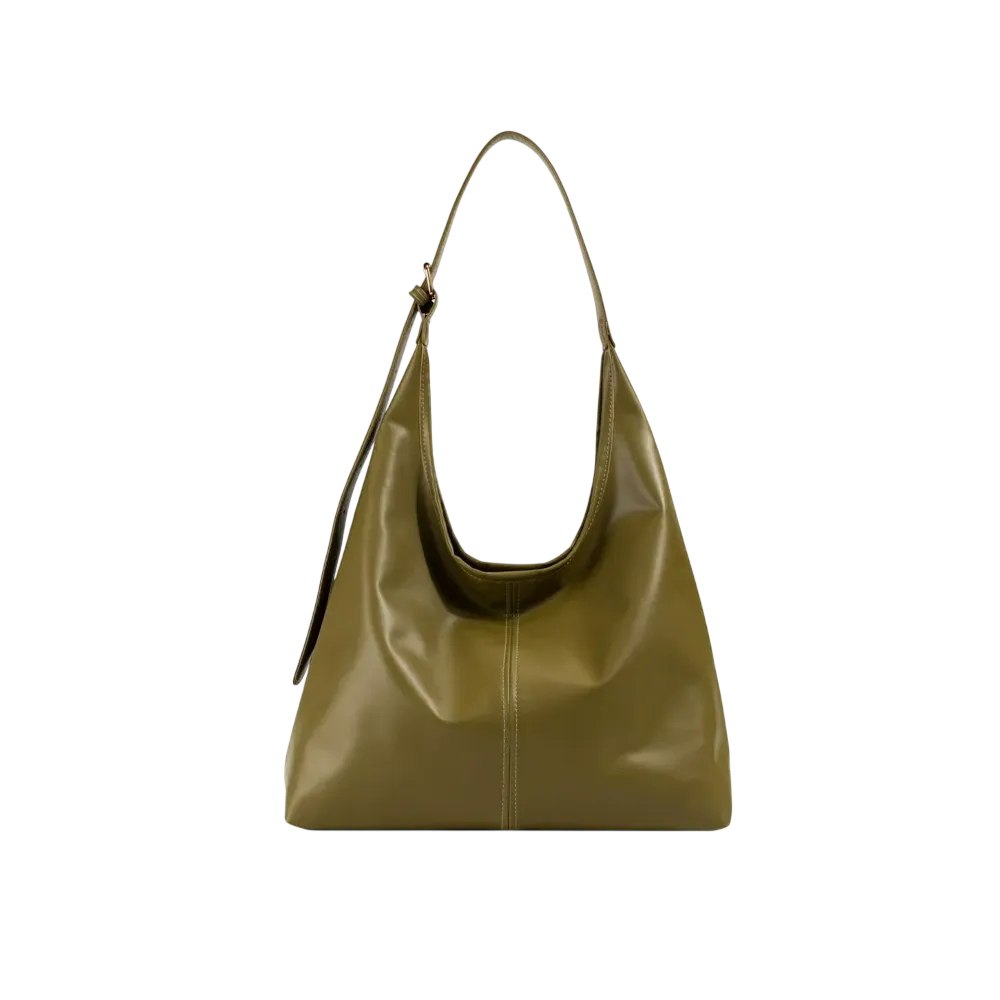

Your handbag is visible in every meeting, every lunch, every walk through the office. Unlike clothing that you might change throughout the day, your bag is constant. It communicates something about you—your attention to detail, your professionalism, your judgment. A well-chosen professional handbag supports your credibility; a wrong bag can undermine it.
Professional handbag standards exist not to restrict you, but to help you understand the expectations in your workplace and choose bags that make you feel confident and appropriate.
Assessing Your Office Culture First
The first step in choosing a professional handbag is understanding your specific workplace culture. Different industries and companies have different standards. A law firm has different expectations than a creative agency. A startup has different norms than a corporate finance office.
Observe what colleagues carry—especially those in positions you aspire to. Are structured leather bags standard, or are casual crossbodies accepted? Do people wear designer brands, or is that frowned upon as ostentatious? Does your office skew formal or casual? The bags your coworkers carry provide the most reliable guidance available.
If you cannot observe clearly, ask trusted colleagues or mentors what they recommend. Most people are happy to offer guidance about professional norms. For a broader framework on how your bag fits into your overall workplace image, our professional handbag standards guide covers what your work bag should accomplish across different career stages.
Core Professional Handbag Features
Regardless of your specific workplace, certain features consistently signal professionalism:
Structured Silhouette
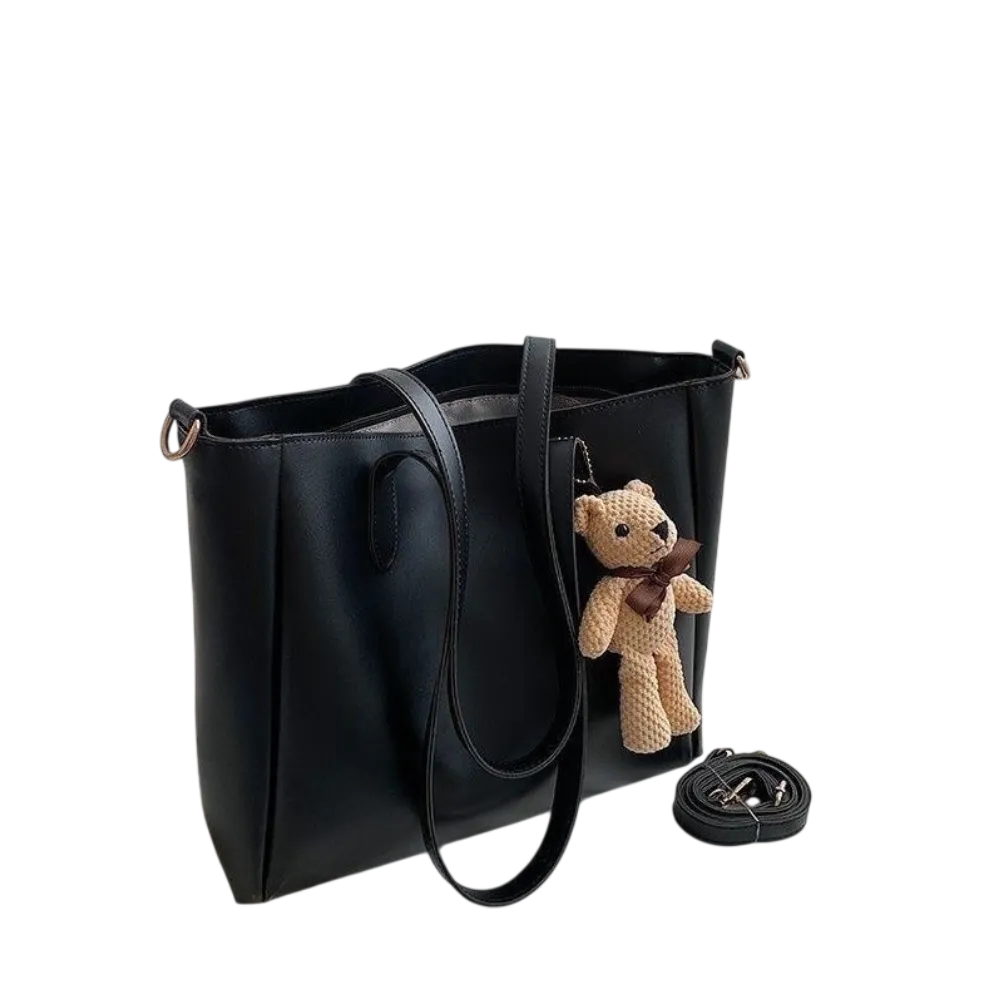
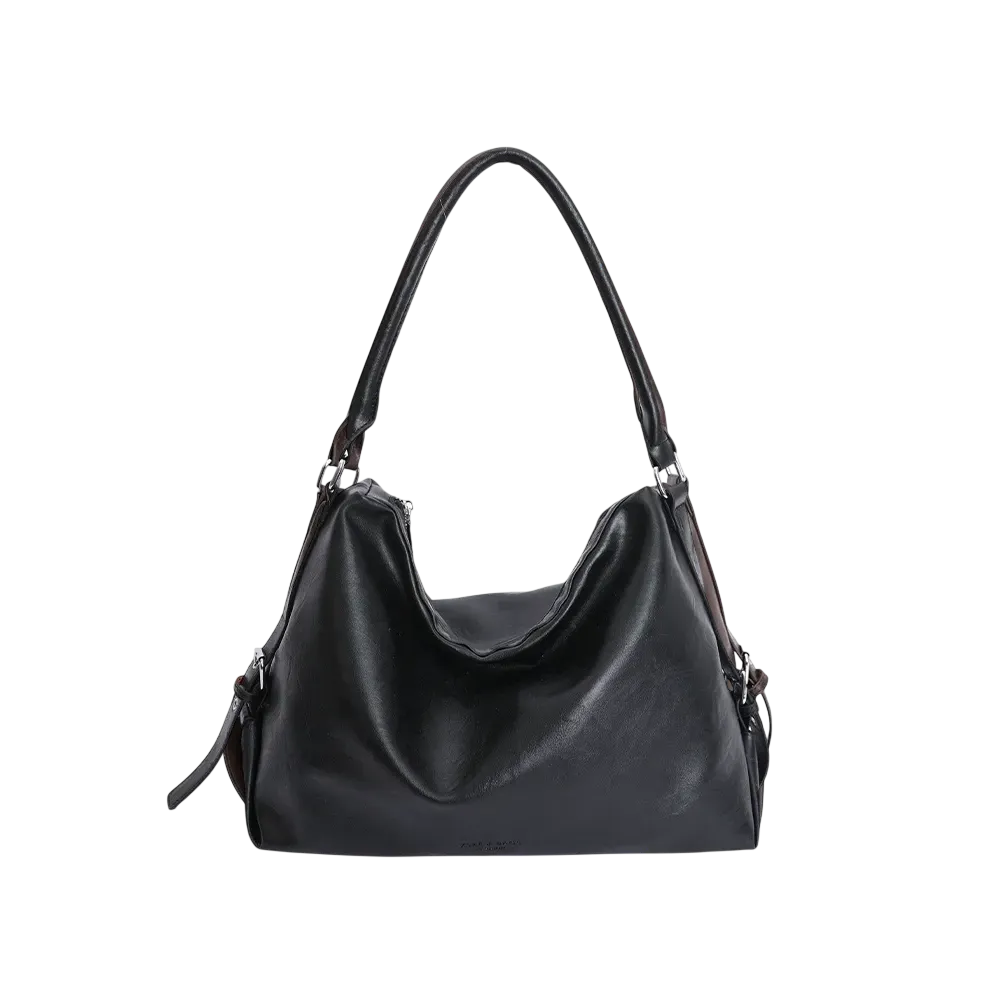
A bag with defined shape reads as more professional than a soft, slouchy design. Structured bags suggest organization and intention. For guidance on structured styles that work in office settings, our must-have handbag styles guide breaks down which silhouettes project competence versus which read as casual.
Quality Materials
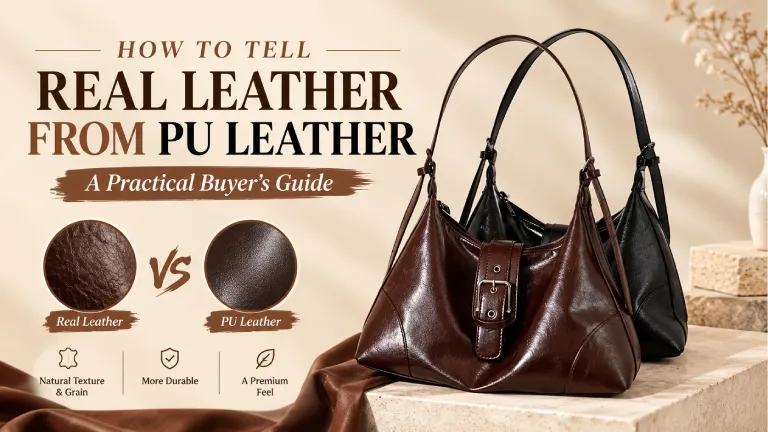
Genuine leather or high-grade PU leather is the standard for professional bags. Nylon, canvas, or athletic materials are generally not appropriate for traditional office settings. For a detailed comparison of what different materials cost and how they age, our PU leather vs genuine leather guide helps you evaluate what you are paying for.
Neutral or Professional Colors
Black, brown, navy, gray, and burgundy are universally professional. Bright colors (hot pink, neon green) or trendy pastels are generally not appropriate for traditional offices. Neutral colors also pair more easily with work clothing, reducing the number of bags you need.
Appropriate Size
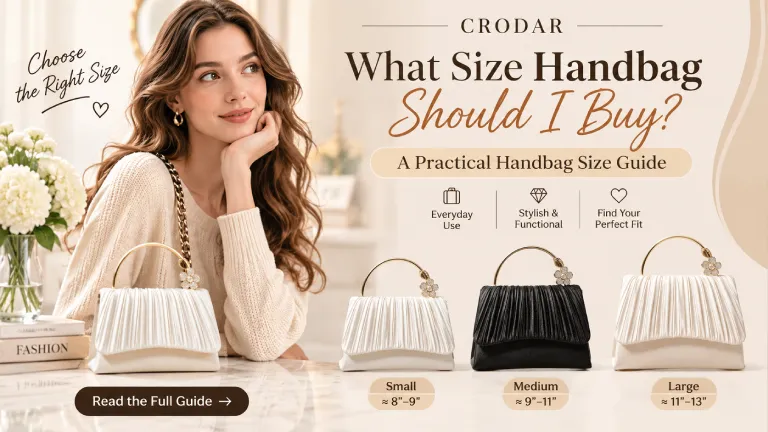
A professional bag should hold work essentials without being oversized. A bag that screams “I carry my entire life with me” reads as chaotic. For capacity guidance, our shoulder bag sizes guide helps you match volume to actual daily carry.
Quality Hardware
Metal hardware should look substantial, even if it is not expensive. Cheaply finished hardware is immediately noticeable and suggests the entire bag is low quality. Quality hardware is one of the first things people notice about a professional bag—it is a proxy for overall construction standards.
Minimal Logos
If a designer logo is visible, it should be subtle. Large logos or obviously branded bags can read as trying too hard or being status-focused. A truly professional bag’s quality speaks for itself without advertising.
Seasonal Professional Bag Considerations
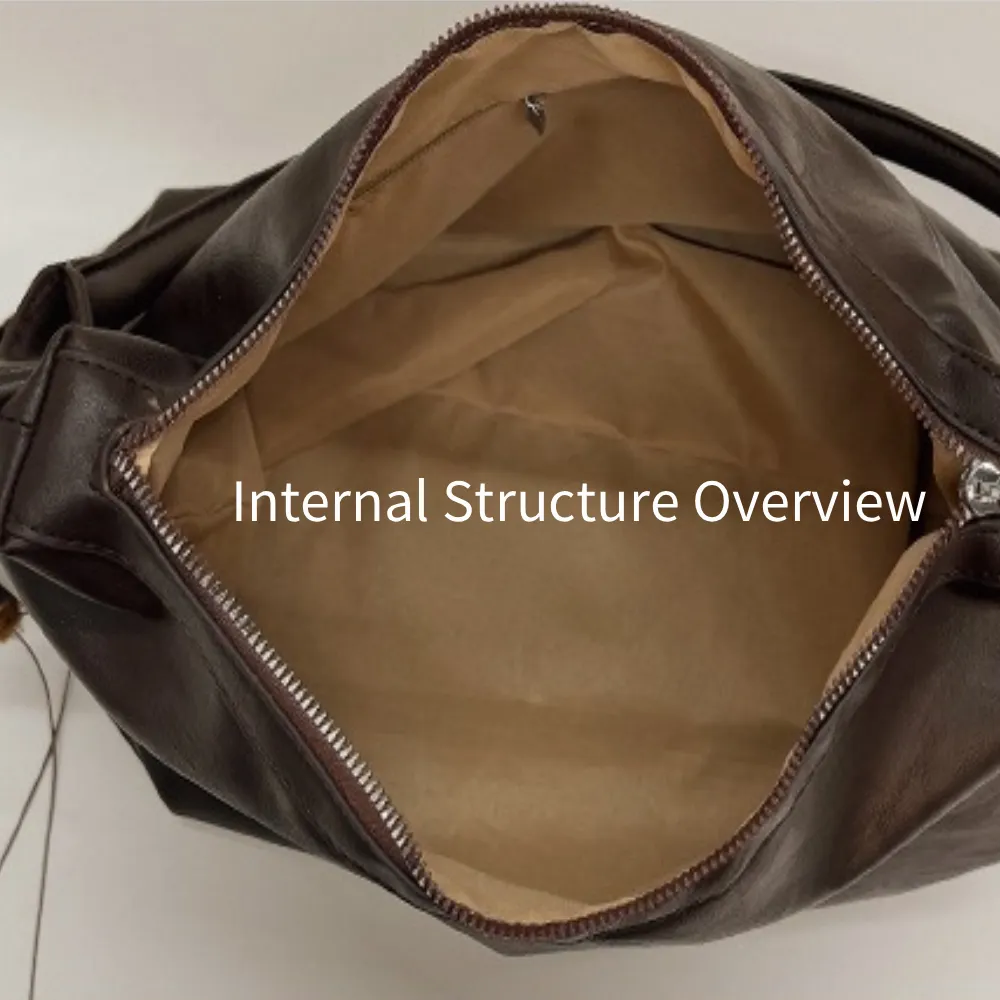
Many professionals maintain two work bags: one for warmer months and one for cooler months. A lighter color or material (tan leather, lighter PU) works well in spring and summer. Darker colors and heavier materials suit fall and winter.
This seasonal rotation is practical—lighter bags feel more appropriate with lighter clothing—and it extends the life of each bag because neither is used year-round at full capacity. For guidance on how to rotate bags without building an excessive collection, Vogue’s work bag edit offers editorial perspective on which silhouettes transition well across seasons.
Professional Bags by Job Type
Corporate and Finance Roles
These environments typically prefer classic, understated bags. Structured leather shoulder bags or quality briefcases in black or brown are standard. Avoid trendy styles or casual materials. A medium to large structured bag that holds a laptop is usually appropriate.
Law and Professional Services
Similar to corporate roles, but often more conservative. Classic styles in neutral colors are safest. Your bag should be nearly invisible—high quality but not attention-getting. It should complement your competence, not distract from it.
Creative and Tech Industries
More flexibility and casual acceptance. A polished crossbody or modern structured bag may be more appropriate than a traditional tote. Designer brands are less likely to be viewed as status-seeking. Neutral colors remain professional, but muted jewel tones may also work. For a realistic look at what creative professionals actually carry, The Cut’s office bag guide categorizes recommendations by workplace culture rather than just price.
Education and Nonprofit
Professional but often less formal. A structured bag is appropriate, but casual materials like quality canvas are often acceptable. Neutral or warm colors work well. Functionality and durability matter more than brand names in these sectors.
What Makes a Handbag Unprofessional
Avoid these elements in professional settings:
- Obvious wear and damage: Stains, peeling material, broken hardware, or torn seams look unprofessional and suggest you do not care about details. For help recognizing when a bag has reached the end of its professional life, our handbag replacement guide covers the line between “worn-in” and “worn-out.”
- Casual or sporty materials: Nylon, athletic fabrics, or overly casual textiles generally do not read as professional. Canvas can work if it is high-quality and structured, but soft, unstructured materials feel like weekend gear.
- Excessive hardware or chains: Heavy chains, large decorative buckles, or obviously trendy hardware looks more fashion-forward than professional. Professional bags prioritize function over statement-making.
- Character or novelty bags: Bags with cartoon characters, novelty shapes, or joke designs are not appropriate in most professional settings. A handbag should be an accessory, not a conversation starter.
- Very large or very small bags: Oversized totes that look like you are moving house, or tiny evening bags that cannot hold work items, both look unprofessional. Medium bags that actually fit your materials are the standard.
Transitioning a Work Bag to Casual Use
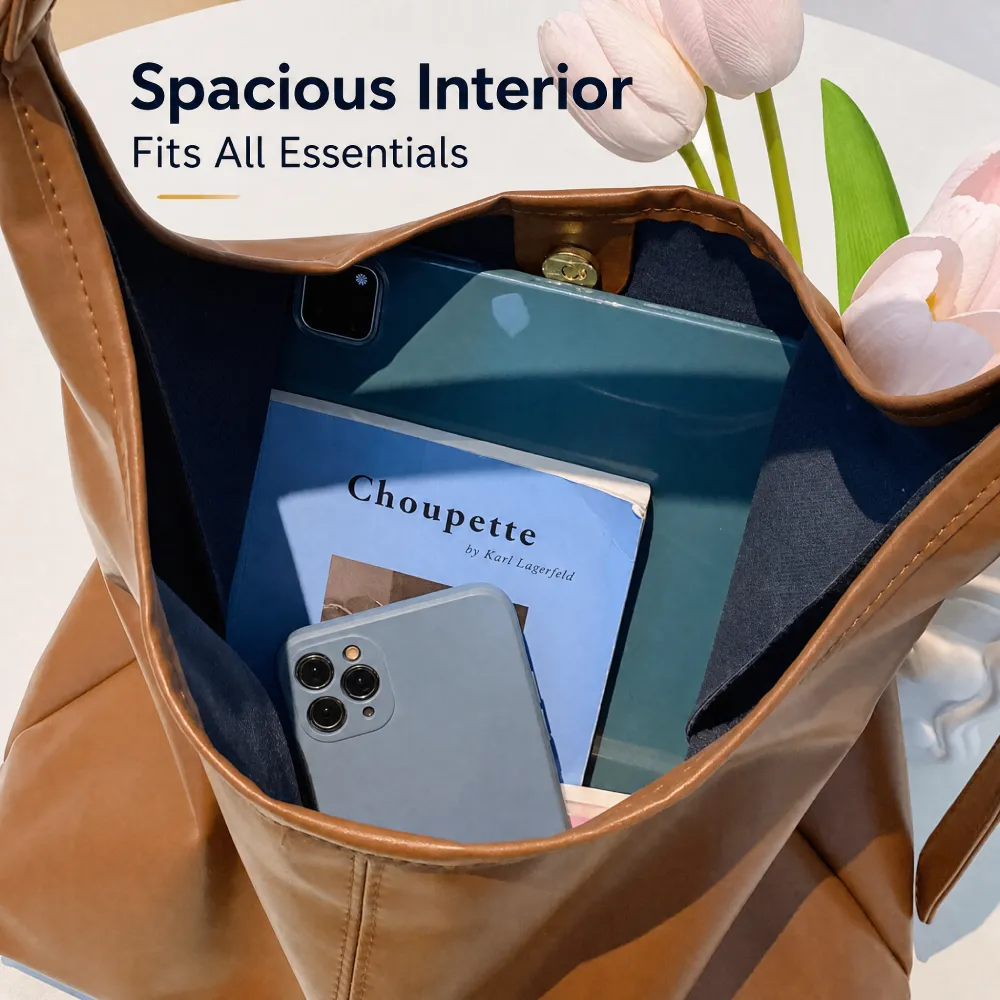
Some professional bags can transition to weekend or evening use with the right styling. A structured work tote becomes evening-appropriate when paired with dressier clothing, even if you do not change bags. For detailed guidance on making a work bag feel appropriate outside the office, our work-to-evening transition guide covers strap swaps, styling shifts, and when a bag simply cannot cross contexts.
The key principle: a professional bag should be versatile enough to handle multiple settings, but not so casual that it undermines you in the office. When in doubt, lean slightly more formal—you can always dress a structured bag down, but you cannot dress a slouchy bag up.
Investment Priorities: What to Spend On
If you are building or upgrading a professional handbag wardrobe, spend on:
- One excellent everyday work bag: This is the bag you carry 4–5 days a week. Invest here first. A quality structured leather shoulder bag in black or brown at $300–$600 will outlast three $100 budget bags.
- Hardware and stitching: These fail first on cheap bags. Check them carefully before buying.
- Strap comfort: You will wear this bag for hours. An uncomfortable strap is a daily irritation that adds up.
- Interior organization: Professional life requires documents, devices, chargers, and personal items. A bag with useful pockets and compartments saves time and reduces stress.
For editorial perspective on which work bags justify the investment and which are marketing plays, Harper’s BAZAAR’s seasonal bag edit offers a curated lens on silhouettes that work across professional and social contexts.
Putting It All Together: Professional Bag Evaluation
| Feature | Professional | Unprofessional |
|---|---|---|
| Shape | Structured, defined silhouette | Slouchy, shapeless, or oversized |
| Material | Leather, high-grade PU | Nylon, canvas, athletic fabrics |
| Color | Black, brown, navy, gray, burgundy | Neon, bright pastels, novelty prints |
| Hardware | Subtle, solid metal, minimal branding | Large logos, plastic-feel, excessive chains |
| Condition | Clean, maintained, no visible wear | Stains, peeling, torn lining, broken closures |
FAQ
Q: Can I wear a designer handbag to a professional office?
A: Yes, if the brand and style are understated. A designer bag with a visible logo may read as status-focused in some workplaces, but subtle designer quality is generally fine. Know your office culture before bringing a logo-heavy piece to work.
Q: What if my workplace is very casual and everyone carries crossbodies?
A: Follow the norms of your workplace. Professional is relative to context. In a casual startup, a polished crossbody is more professional than a structured formal bag that looks out of place.
Q: Is a bright-colored handbag ever professional?
A: In creative industries or very casual workplaces, perhaps. In traditional corporate settings, bright colors are generally not appropriate. When in doubt, choose neutral.
Q: Should my professional bag match my shoes?
A: Not necessarily. A cohesive overall look matters more than exact matching. A professional bag should coordinate with your outfit without matching perfectly—close-but-not-identical reads as more sophisticated.
Q: How often should I replace my professional handbag?
A: A quality professional bag lasts several years with care. Replace it when it shows visible wear that cannot be repaired, when it no longer fits your role, or when your workplace culture shifts. Our replacement guide covers the decision framework.
Q: Can I use the same bag for work and social events?
A: Yes. A professional bag that is neutral and well-made often works for social events too. Choose a bag that transitions across contexts rather than buying separate bags for every scenario.
Q: What is the best investment professional handbag?
A: A medium-sized structured bag in black or brown leather that holds your work essentials comfortably, has quality hardware, and is well-designed. Budget $200–$500 for a bag that will last years of daily use.
Q: Is a shoulder bag better than a crossbody for professional settings?
A: Both can be professional if structured and made from quality materials. Shoulder bags read as slightly more traditional; crossbodies read as modern. Choose based on your workplace culture and what feels comfortable for your commute.