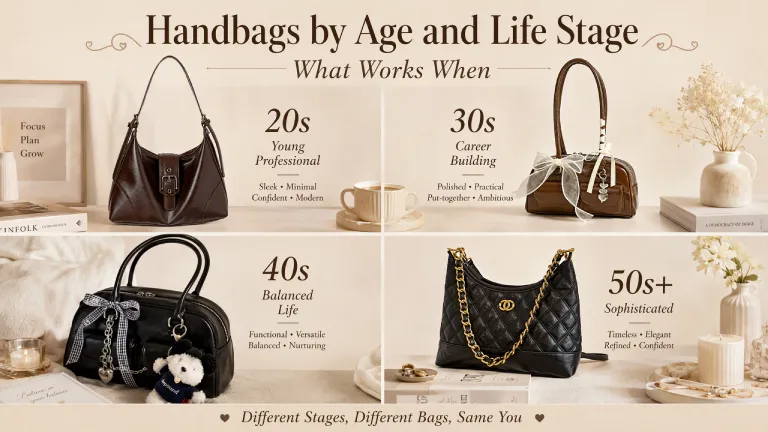
A handbag that works perfectly at 22 can feel entirely wrong at 35—or at 50. Not because trends shifted, but because your life did. Your job, your responsibilities, your social context, and your daily routine all evolve, and your handbag should evolve with them. Understanding how to choose handbags for your life stage helps you feel confident and appropriate in every setting, rather than forcing one bag to somehow work for every phase of your life.
The idea of choosing bags by age is not about following arbitrary rules or letting society dictate what you “should” carry. It is about recognizing that your practical needs, the environments you move through daily, and what you want to communicate about yourself change across decades. A bag that fits your reality at one stage may be genuinely wrong for the next.
College and Early Twenties: Experimentation Over Investment
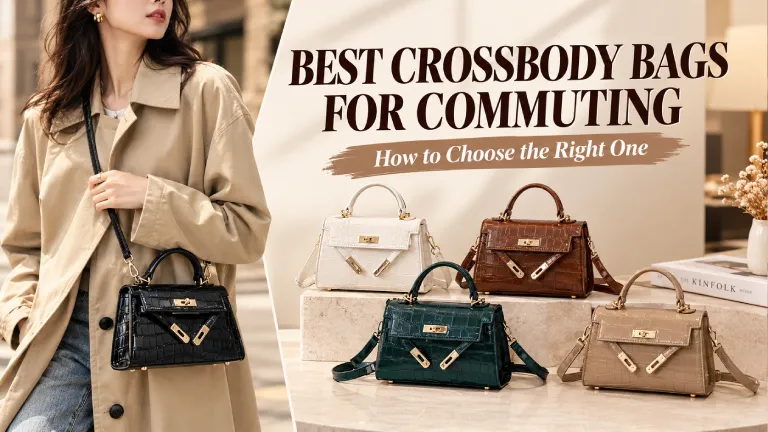
In college and your early twenties, the point is figuring out what you actually like—not what you think you should like. Your daily routine varies wildly: weekday classes look nothing like weekend outings, dating, or part-time work. A versatile medium crossbody or shoulder bag that handles casual settings, occasional dates, and errands is the most practical starting point.
This is also the stage where budget bags make complete sense. You are still learning your preferences, and a $50–$100 bag lets you experiment without financial risk. If you discover the style does not work for your routine, the loss is minimal. Quality matters less than flexibility and affordability here. For help choosing your first everyday bag without overspending, our shoulder bag size covers sizing and strap principles that apply whether you are commuting to class or exploring a new city.
Mid-Twenties to Early Thirties: Professionalism Enters the Picture
As you enter the workforce full-time, your handbag needs shift decisively. You now require a structured work bag that signals professionalism and holds what your job demands. A flimsy backpack or slouchy hobo that worked for campus no longer fits client meetings or daily office life.
At this stage, investing in quality starts to pay off. A well-made work bag that lasts through several years of commuting is more economical than replacing budget bags annually. Most people at this stage build a small rotation: a structured work tote, an everyday casual shoulder bag, and a compact crossbody for weekends. For a deeper look at what your work bag should actually accomplish, our professional handbag standards guide breaks down the line between appropriate and outdated in workplace settings.
Your social life may also include more formal occasions—weddings, professional dinners, networking events. An evening bag or polished clutch becomes part of the collection. Quality and intentionality begin to matter more than variety.
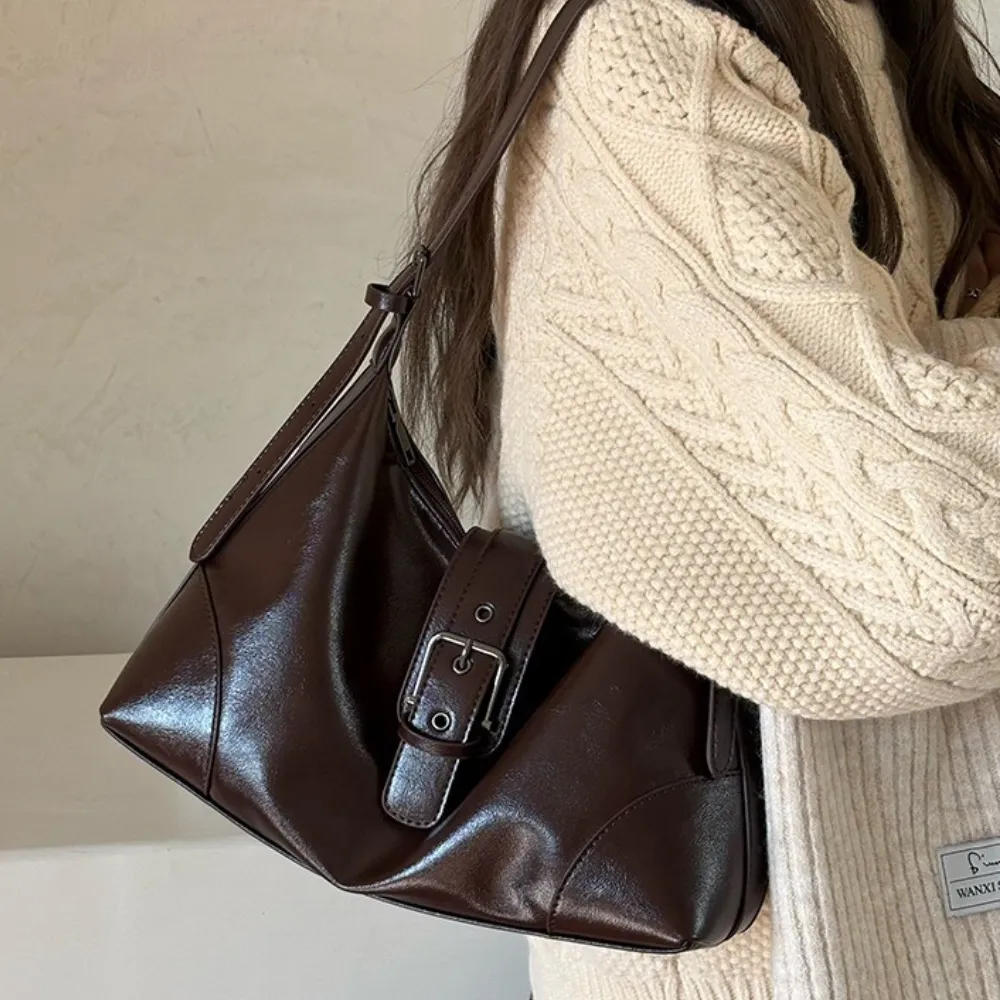
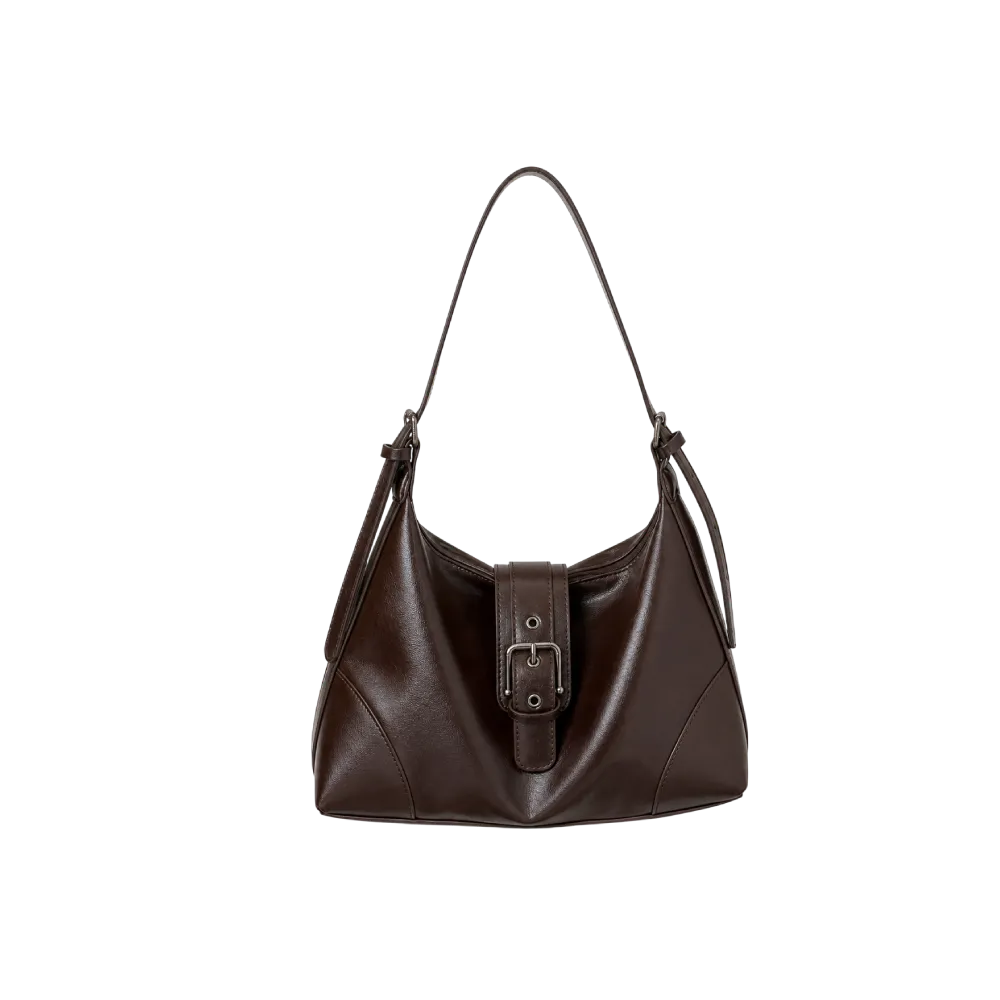
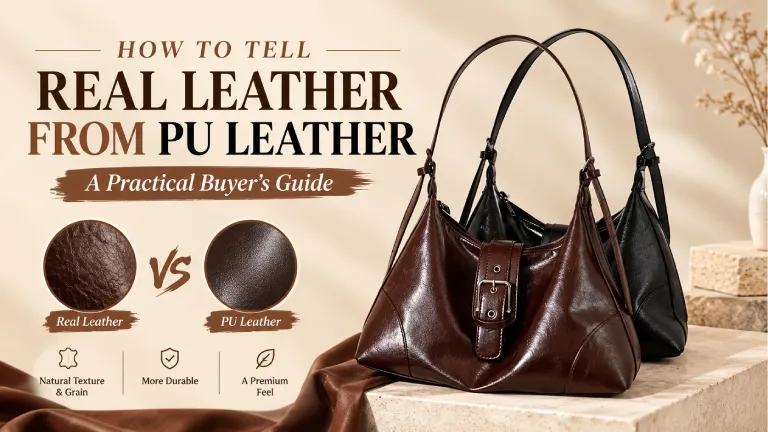
Crodar Vintage Shoulder Bag
The Crodar Vintage Shoulder Bag combines timeless style with everyday functionality. Crafted from soft PU leather, this brown women’s shoulder bag features a vintage buckle design. Suitable for any ages
Thirties and Early Forties: Refinement and Consistency
By your thirties, your routine is likely settled. You know your commute, your job requirements, and your style preferences. This is the time to invest in quality bags that will serve you for years—not to keep testing new silhouettes.
Your collection often becomes more refined. Rather than owning a dozen bags used randomly, you might own five to eight bags, each serving a specific purpose. You know which colors work with your wardrobe, which strap widths feel comfortable on your shoulder after a full day, and which styles make you feel confident walking into a room.
If you are a parent, your bag needs expand to include space for children’s items without sacrificing your own organization. If you travel frequently for work, a travel-specific bag becomes essential. For guidance on practical work travel bags, Condé Nast Traveler’s carry-on packing guide covers what actually fits in a personal-item-sized bag on work trips. And for parent-specific bag needs, Parents’ diaper and parent bag roundup translates the same principles—capacity, accessibility, durable materials—into family-appropriate contexts.
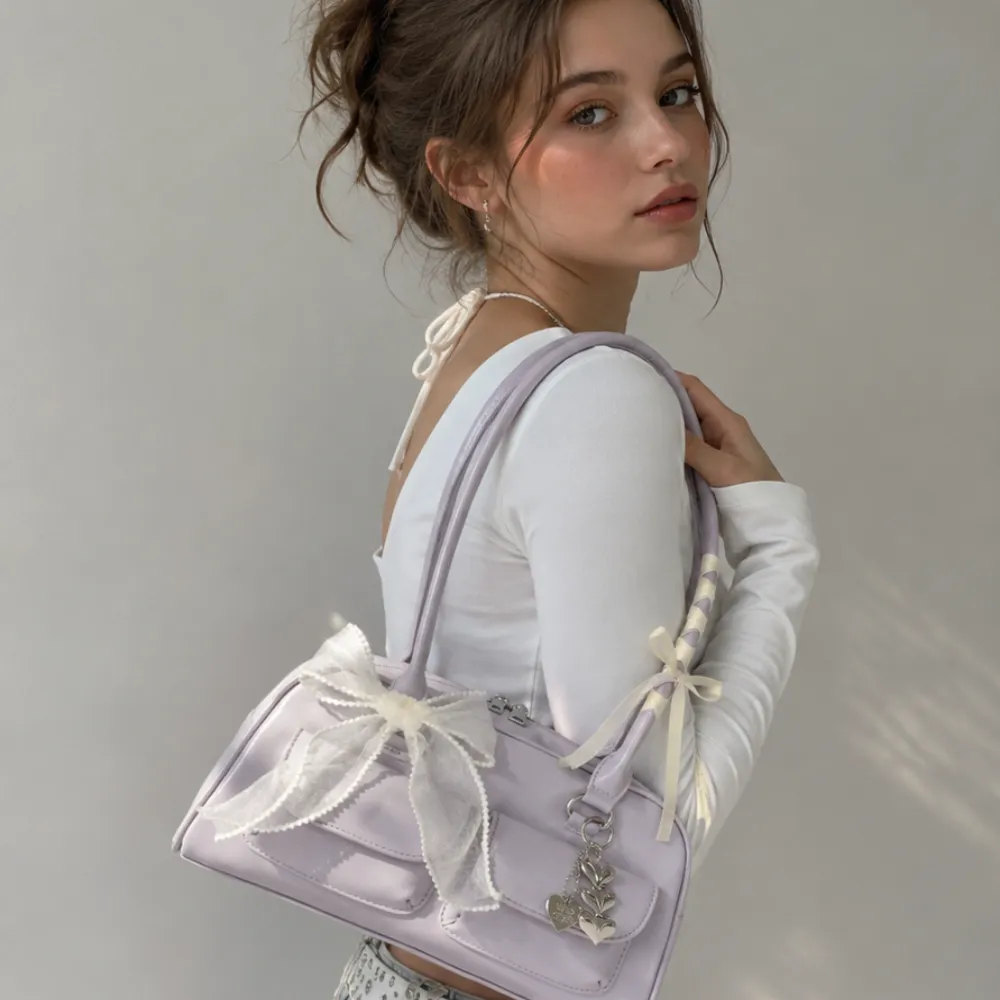
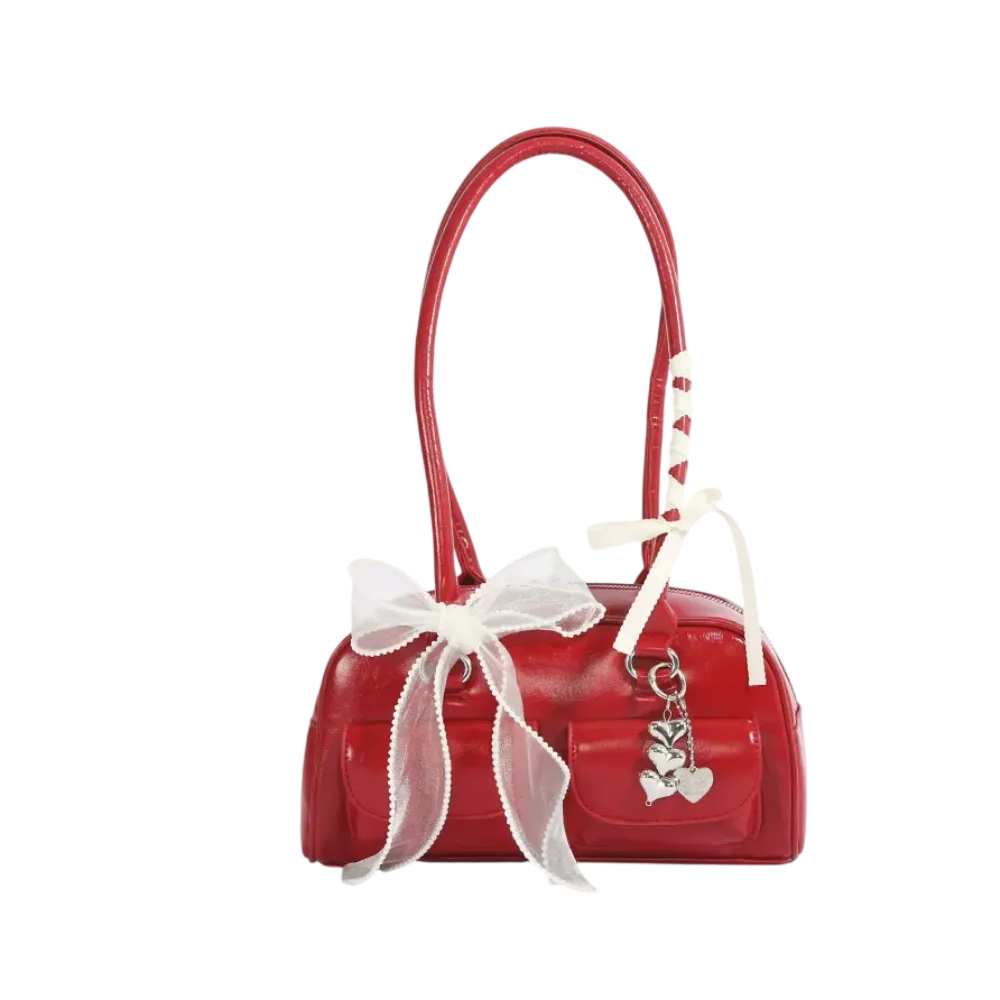
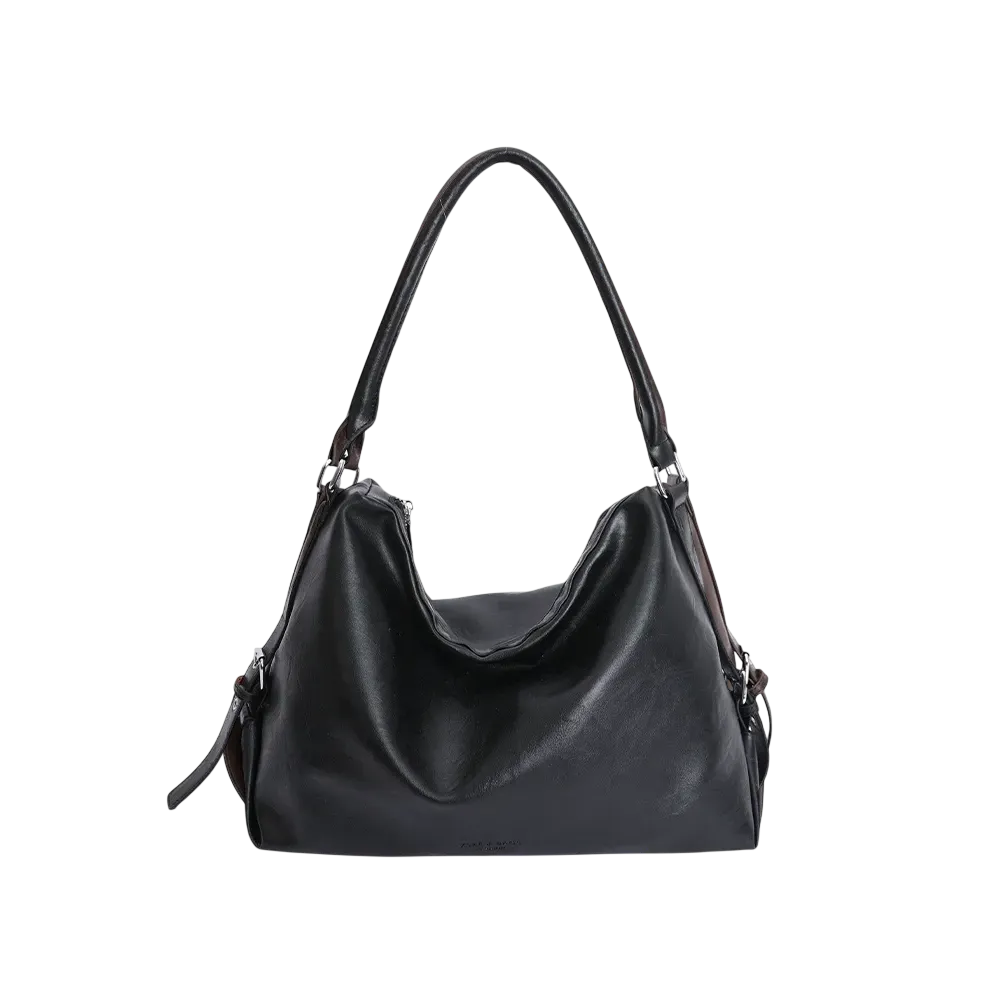
Crodar Y2K Style Shoulder Bag
Step into nostalgic style with the Crodar Y2K Style Shoulder Bag, a trendy everyday accessory with a retro 2000s-inspired look, practical storage, and effortless shoulder carry. Suitable for 30+,who want to make a difference in life.
Forties and Beyond: Confidence, Quality, and Comfort
In your forties and beyond, handbag choices become even more intentional. The opinions of others matter less. You choose bags that work for your actual life, not an imagined version of it. Quality becomes paramount because you have the resources to invest—and you are no longer willing to waste money on bags that fail after a season.
Many people at this stage prefer classic silhouettes over micro-trends because classics work year after year without feeling dated. Comfort moves to the top of the priority list: you will not tolerate straps that dig in or bags that throw off your posture after an hour. The collection often shrinks in number but rises in quality—four to six excellent bags that cover every scenario perfectly, rather than ten mediocre ones that almost work.
For editorial perspective on how style evolves with age without becoming restrictive, Fabulous After 40’s guide to outdated handbag signs helps you distinguish between “timeless” and “stuck in the past”—a useful filter at any life stage.
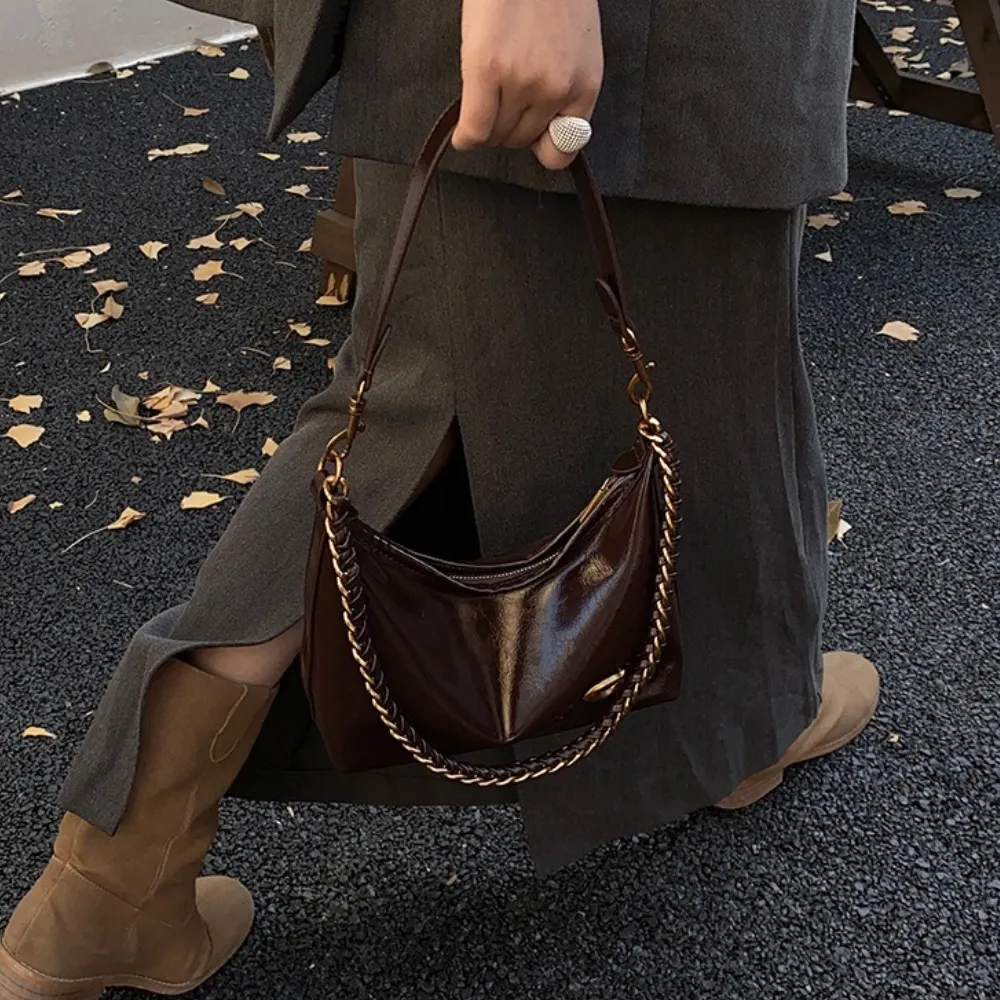
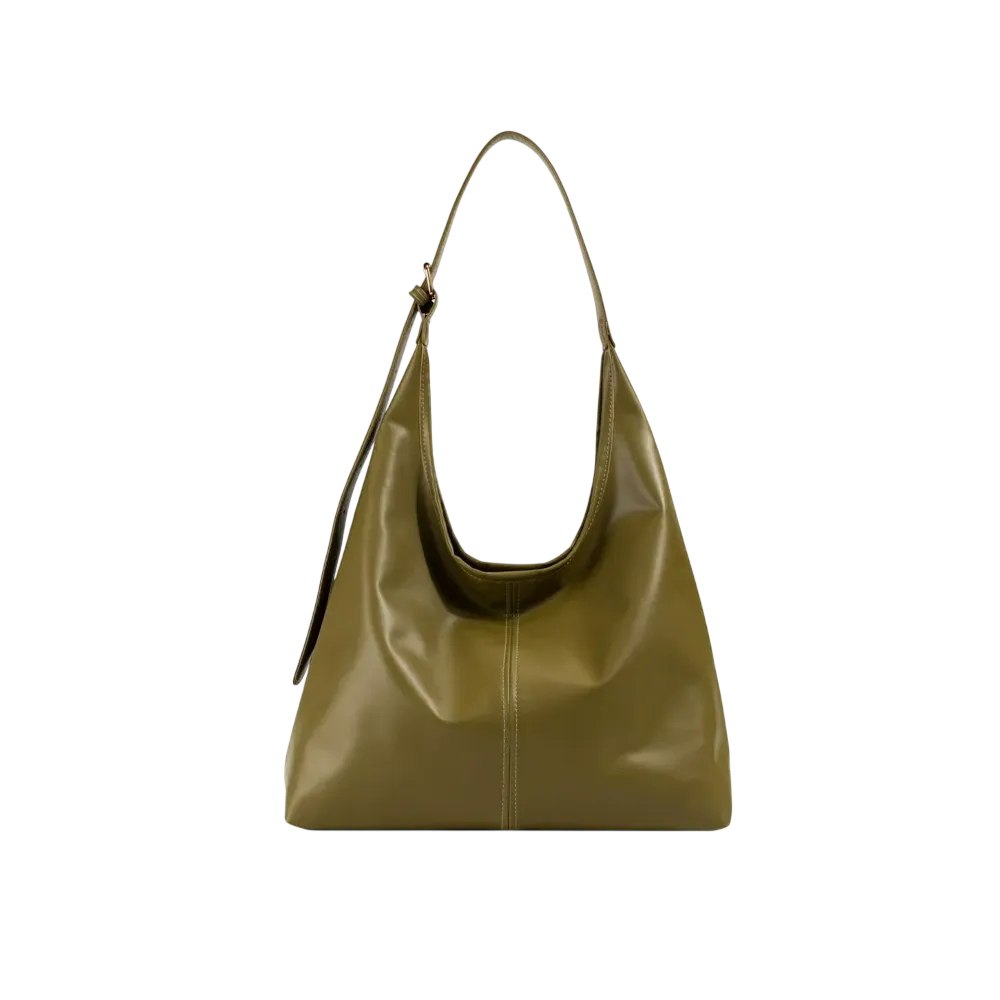
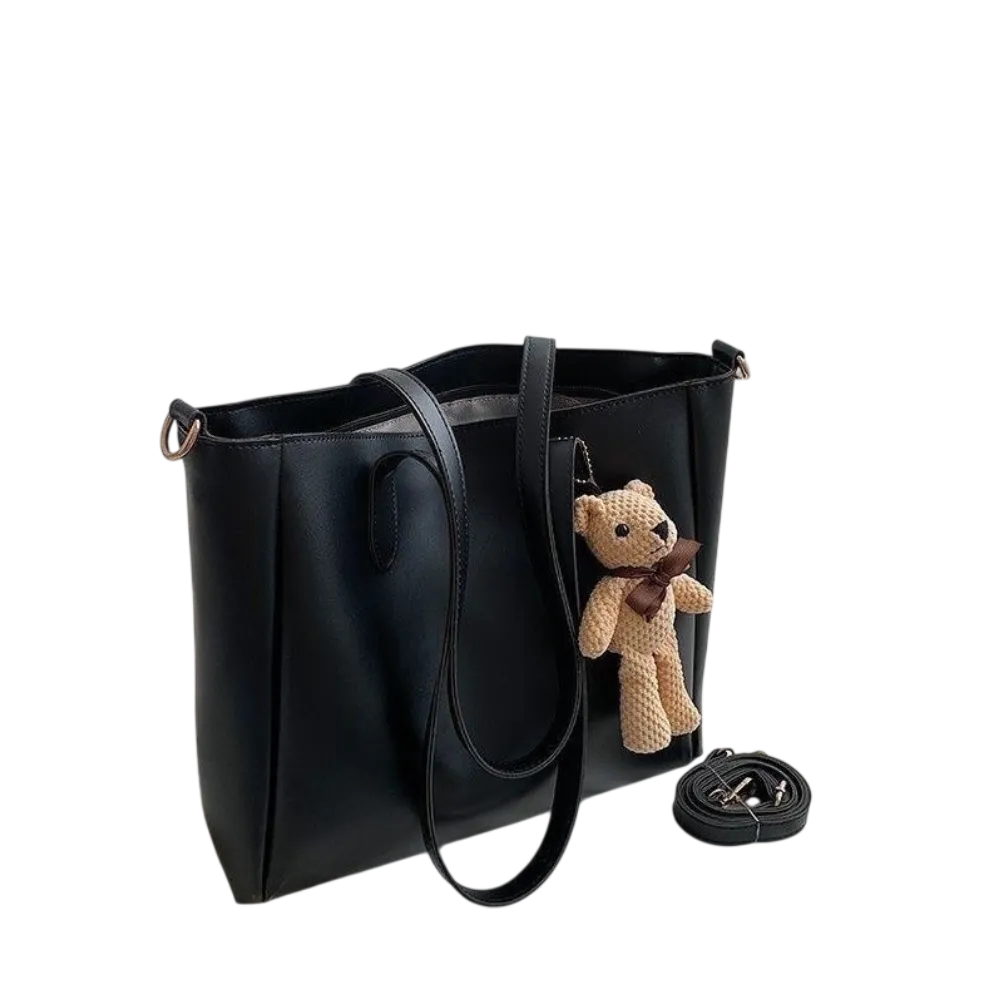
Crodar Casual Leather Shoulder Bag
Crodar Casual Leather Shoulder Bag with an adjustable strap, comfortable handle, spacious interior, secure zipper, and elegant gold-tone hardware. Suitable for work ,casual and mature
Life Transitions That Override Age
Major life changes can shift your bag needs regardless of what decade you are in. Starting a family, changing careers, returning to school, moving cities, or launching a business all create new practical requirements.
Common Transition Triggers:
- Remote work: No daily commute means you may not need a structured work tote at all. A smaller crossbody or shoulder bag for errands and occasional meetings might replace your old commute bag entirely.
- City to suburb (or reverse): Driving daily requires less carrying capacity than subway commuting. Your bag can shrink—or grow, if you now schlep to a car instead of walking.
- Relationship status changes: Single life, dating, marriage, and partnership all shift what you carry and how much you need to fit in one bag.
- Health or mobility changes: A lighter bag with an ergonomic strap becomes essential if you develop shoulder or back issues.
The bag that worked for your old life is not “wrong” in an absolute sense—it is simply wrong for your new one. Replacing it is adaptation, not waste.
Balancing Life Stage with Personal Preference
Choosing handbags by life stage should never feel like a straitjacket. The goal is to pick bags that serve your current reality and make you feel good. This naturally produces age-appropriate choices because you are responding to actual needs, not stereotypes.
A 50-year-old who wears jeans and attends casual gatherings should carry bags that work for that life—not bags that are “supposed” to suit someone her age. Conversely, a 25-year-old in a formal corporate role should prioritize structured professional bags, even if slouchy boho styles feel more age-typical. Context beats convention every time.
The intersection of your age, your life stage, your daily routine, and your personal taste is where your ideal handbag lives.
Putting It All Together: Life Stage Quick Reference
| Life Stage | Priority | Recommended Bag Types | Price Range |
|---|---|---|---|
| College / Early 20s | Flexibility, affordability, experimentation | Medium crossbody, casual shoulder bag | $50–$150 |
| Mid-20s to Early 30s | Professionalism, durability, intentionality | Structured work tote, evening clutch, weekend crossbody | $150–$400 |
| 30s to Early 40s | Refinement, quality investment, purpose-driven rotation | 2–3 daily workhorses in leather, one evening bag, one travel bag | $300–$700+ |
| 40s and beyond | Comfort, classic silhouettes, smaller high-quality collection | Structured shoulder bags, refined crossbodies, minimal trend pieces | $400–$1,000+ |
For a broader view on how to build a handbag wardrobe that evolves with you rather than against you, Who What Wear’s anti-trend bag guide is a useful companion read—it focuses on silhouettes that outlast any single life stage.
FAQ
Q: Am I too old for colorful handbags?
A: No. If a bold color works with your wardrobe and makes you happy, age is irrelevant. Choose colors you actually wear, not colors you think are “age-appropriate.”
Q: Should I change my bag style as I age?
A: Only if your life or preferences change. Many people carry the same basic silhouettes for decades and simply upgrade materials and construction over time. What shifts is usually quality and intentionality, not the core style.
Q: What is a good investment handbag for someone in their thirties?
A: A quality structured shoulder bag or medium crossbody in a neutral color that transitions between professional and casual settings. Prioritize full-grain leather or equivalent durability, and check our materials guide to understand what you are paying for.
Q: Is it appropriate to carry the same bag style in your forties as in your twenties?
A: Yes—if the style still serves your life. Classic silhouettes remain appropriate across decades. A well-made tote or crossbody does not have an expiration date.
Q: How do I know what handbag style fits my life stage?
A: Audit your daily routine for one week. Count how many contexts you move through, what you carry in each, and where your current bag fails. Choose bags that solve those specific gaps rather than guessing based on age.
Q: Should parents choose different bags than non-parents?
A: Often, yes. Parents need capacity for child-related items, durable materials that survive spills and rough handling, and quick-access pockets. A work tote alone rarely covers both personal and parenting needs.
Q: Is it wasteful to replace your bags as your life changes?
A: Not if the old bag no longer serves your needs. A college backpack is genuinely wrong for a corporate career. Replacing it is practical adaptation. Donate, resell, or upcycle the old one—see our old handbag disposal guide.
Q: Can I wear trendy bags at any age?
A: Yes, if you enjoy them and they work for your contexts. Age does not determine trend-appropriateness. Confidence and fit with your actual life matter more than a number.