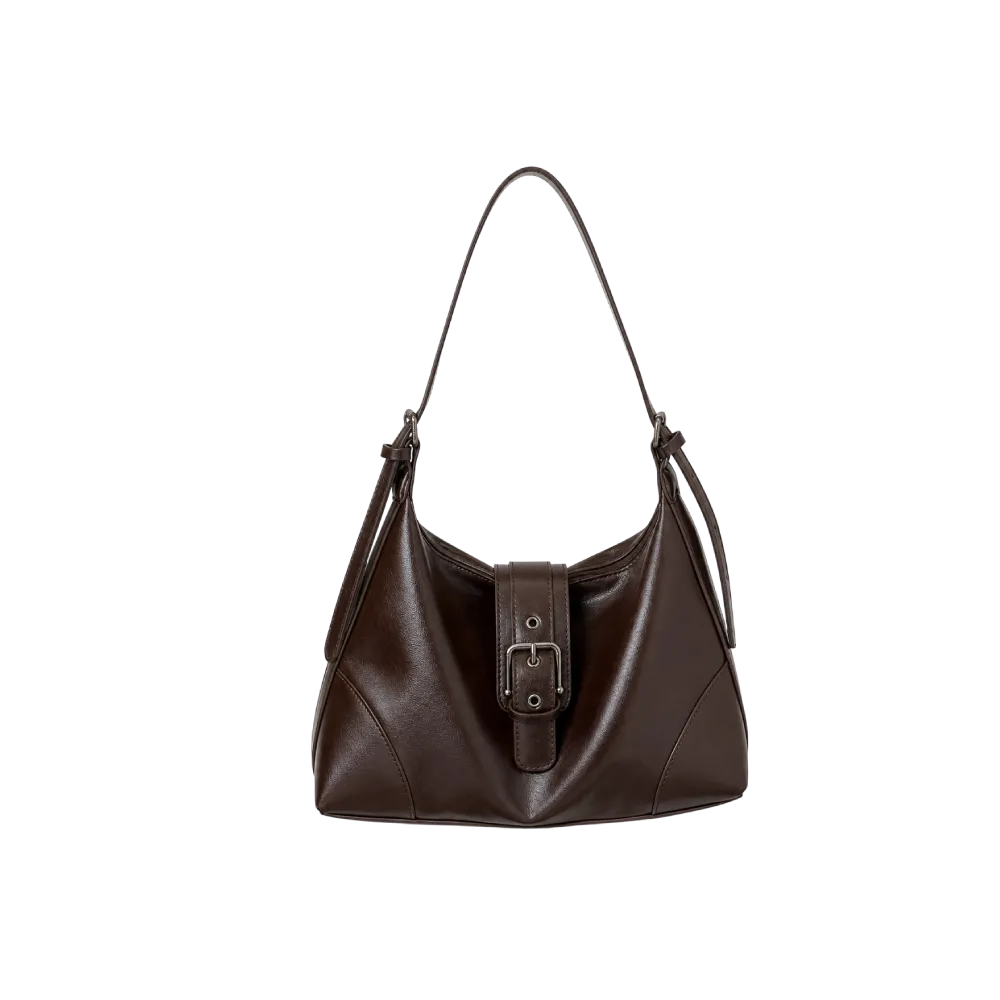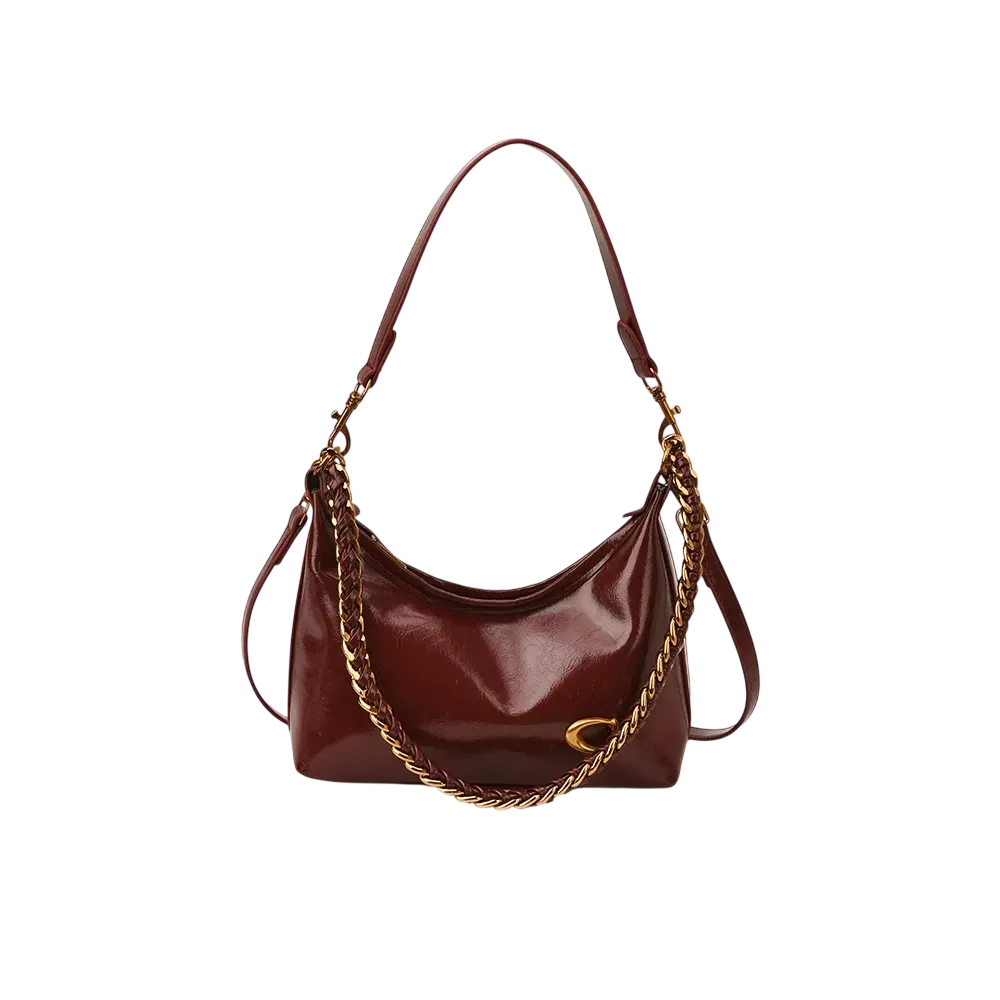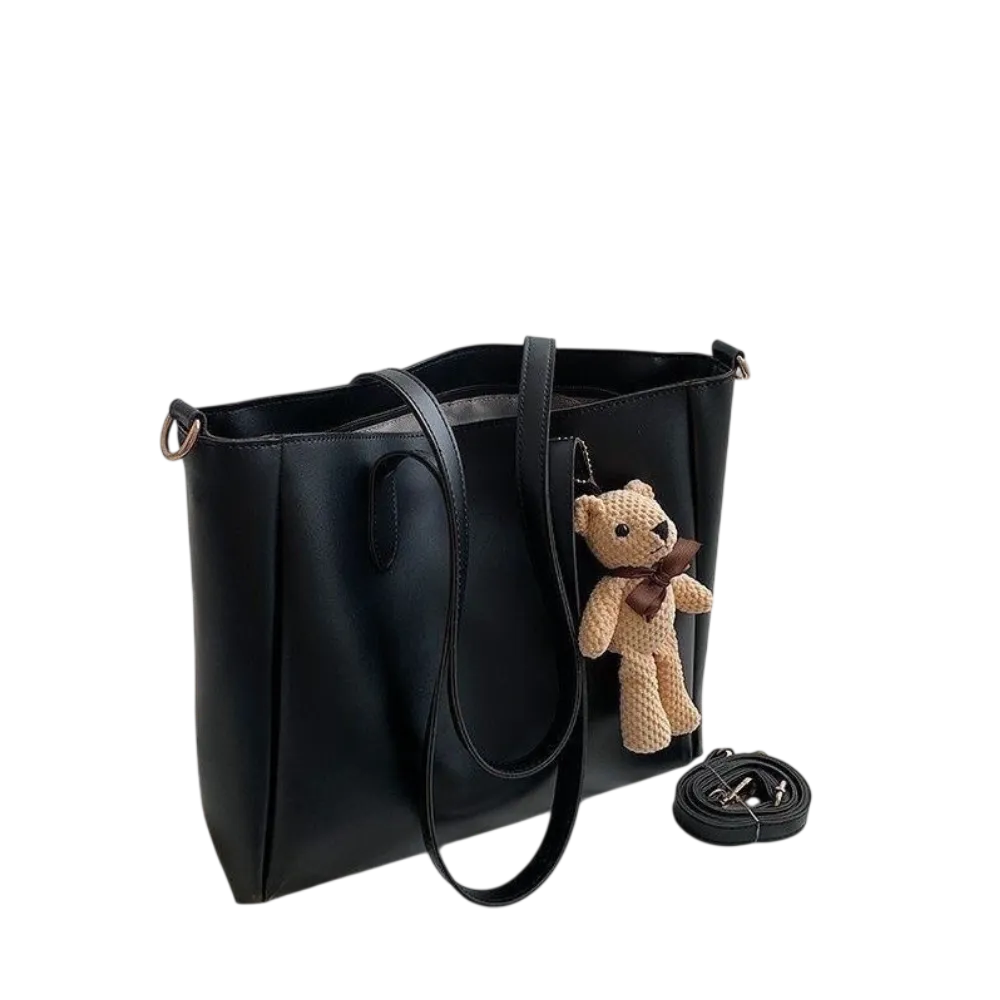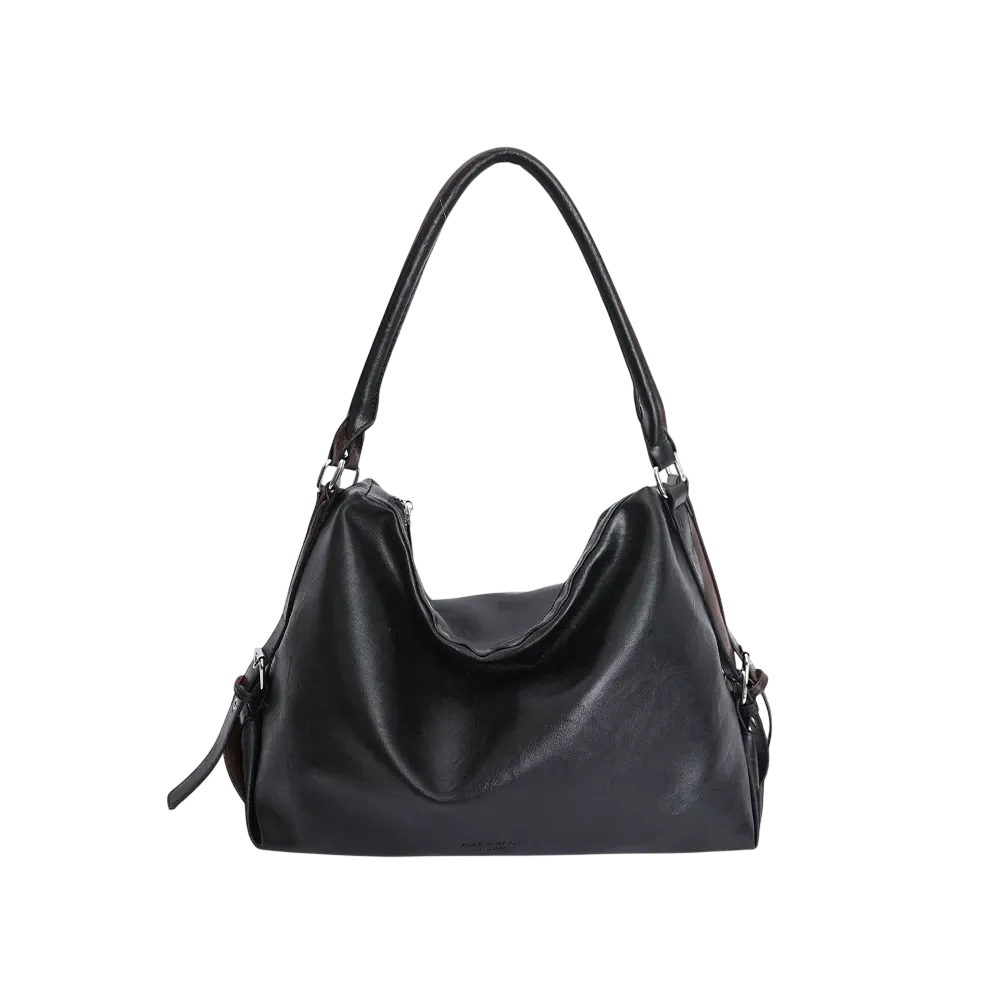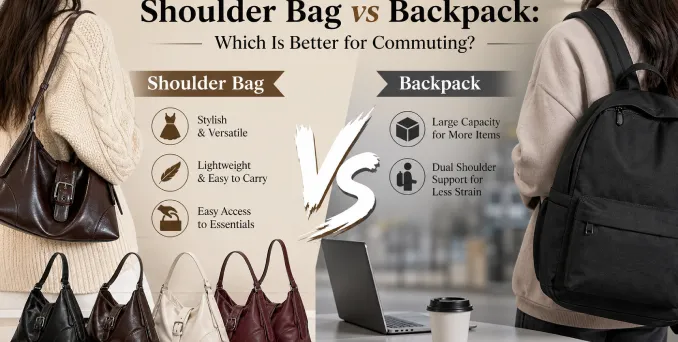

A crossbody bag is no longer a trend piece—it has become a core everyday carry solution for commuters, travelers, parents, and anyone who needs both hands free without sacrificing security. Unlike a shoulder bag that slides off the arm or a tote that strains the wrist, a crossbody bag distributes weight diagonally across the torso and keeps the body balanced during walking, transit, and errands.
The shift toward hands-free carrying reflects how daily movement has changed: crowded trains, phone-first routines, strollers, groceries, and airport security lines all reward a bag that stays close to the body. A well-chosen crossbody bag solves three problems at once—access, comfort, and theft resistance—which explains why it has moved from a seasonal accessory to a year-round essential in wardrobes across demographics.
Why the Crossbody Bag Works Biomechanically
The strap is the product. A diagonal line from one shoulder to the opposite hip counterbalances gait, reduces swing, and lowers the chance of the bag bouncing into people or objects. For most adults, the ideal adjustable crossbody bag strap length lets the bag rest at the hip or mid-thigh—snug enough to stay put, loose enough that the strap does not cut into the neck or restrict arm movement.
Wider straps (around 1.5–2 inches) spread load better than thin chains or ribbon straps. Padding helps on all-day wear. If you carry a phone, wallet, keys, sunscreen, and a small water bottle, strap comfort matters more than logo placement. The physics are simple: a narrow, unpadded strap concentrates the entire bag’s weight on a few square centimeters of shoulder tissue, which becomes uncomfortable within an hour. A wider, adjustable design distributes that same load across a broader area, reducing pressure points and fatigue.

Size: Mini, Medium, or Large
A medium crossbody bag for everyday use is the safest buy for most people. Mini bags look chic but frustrate anyone carrying more than phone-plus-cardholder. Large crossbody bags approach small-backpack capacity and can tire the shoulder if overloaded.
Mini Crossbody Bags (under 7 inches wide)
These hold essentials only: phone, keys, wallet, and a compact personal item. Mini crossbody bags excel for evening events, date nights, quick errands, and minimalist daily carrying. The downside is limited capacity—if you regularly carry a notebook, cosmetics, or multiple small items, a compact crossbody becomes frustrating because everything competes for the same small space. For travel, a mini crossbody works as a secondary bag for passports and boarding passes while your main luggage handles everything else.
Medium Crossbody Bags (7–10 inches wide)
The versatile sweet spot. A medium crossbody bag holds more than a compact design but remains balanced and easy to carry. This size fits most lifestyles and is the most popular choice because it balances practical capacity with comfortable carrying. Medium crossbody bags work for daily commuting, weekend outings, light travel, and people who carry more than essentials but want hands-free comfort. Expect to fit: phone, wallet, keys, sunglasses, small cosmetics pouch, hand sanitizer, and a compact umbrella or folded tote.
Large Crossbody Bags (over 10 inches wide)
A large crossbody bag holds as much as a small backpack but keeps your hands free. Large crossbody bags suit all-day outings, weekend trips, and people who carry a lot but prefer hands-free carrying. The trade-off: a heavy crossbody bag can become tiring on the shoulder during long walks, and large bags can feel overwhelming for daily work commutes. If you need this much capacity regularly, consider a style with a wider padded strap or a convertible design that can switch to backpack mode. view more on our guide crossbody bag size.

Security Features That Actually Matter
In dense cities and tourist areas, a secure crossbody bag for travel should prioritize function over fuss:
- Zippered closures: A zippered main compartment is more secure than a magnetic snap or open flap. In crowded places, prioritize zippers for quick-access pockets too—not just the main compartment.
- RFID-blocking pockets: For sensitive information (credit cards, passports), some crossbody bags include RFID-blocking fabric in specific pockets to prevent electronic skimming.
- Hidden back pockets: A zippered pocket against your body, accessible only when you swing the bag forward, is ideal for cash and travel documents.
- Strap design: A strap that crosses your body and keeps the bag close to your chest is inherently more secure than one that lets the bag swing away from your body. Some travel crossbody bags include slash-resistant straps with steel cable cores.
Wearing the bag behind your back in a subway or market is the single biggest avoidable risk. Keep it in front, zipped, and within sight. The TSA travel tips and transit-security guidance consistently favor keeping valuables in front-facing, closable compartments—exactly what a well-designed crossbody bag provides.
Materials: PU Leather, Canvas, Nylon, Genuine Leather
Material choice decides maintenance, weather behavior, and lifespan. Our PU leather crossbody bag care guide covers wipe-clean upkeep and how to avoid cracking in heat. Here is how the main materials compare:
PU Leather
Affordable, lightweight, and easy to wipe clean. PU leather crossbody bags resist light rain and daily scuffs. They do not require conditioning like genuine leather, making them low-maintenance for commuters. The trade-off: PU leather can crack if exposed to prolonged direct heat (like a hot car dashboard) or if overstuffed repeatedly. Choose quality PU with a fabric backing layer for better durability.

Canvas
Canvas crossbody bags are breathable, lightweight, and develop character with age. They handle casual daily use well but are vulnerable to staining if untreated. Waxed canvas versions add water resistance and a rugged aesthetic. Canvas is an excellent choice for weekend, travel, and outdoor use.
Nylon and Polyester
Synthetic fabrics resist staining, handle moisture better than any other option, and require only occasional wiping. Nylon is the default material for travel crossbody bags because it is light, strong, and quick-drying. For commuters in rainy climates, nylon or recycled polyester crossbody bags are the most practical choice.
Genuine Leather
Genuine leather crossbody bags feel luxurious and often last longer than synthetics if cared for properly. They require regular conditioning and are more vulnerable to water damage without treatment. Genuine leather is a larger investment but can become a favorite bag that improves with age, developing a patina unique to your use patterns. For professional settings, structured leather crossbody bags read as polished and intentional.
Crossbody vs Shoulder Bag for Commuting
The crossbody bag vs shoulder bag for commuting debate usually ends the same way: shoulder bags photograph better in offices, but crossbodies win in motion. A shoulder bag slips, a tote digs, a backpack hides your zipper from yourself. The crossbody stays visible, reachable, and anchored. The Ellen MacArthur Foundation’s circular fashion work also matters here: buying one versatile, repairable crossbody bag beats rotating five trend micro-bags that end up donated in a season.
For commuters who switch between walking, cycling, train rides, and office time, a crossbody bag adapts to each mode without needing to be removed. You can swing it to your front on crowded transit, let it rest on your hip while walking, and tuck it under an arm while seated. This adaptability is why crossbody bags have become the default for urban professionals who need one bag to handle the entire day.
Styling a Crossbody Bag Across Occasions
A crossbody bag is not limited to casual wear. The key is matching the bag’s structure and material to the setting:
- Professional: Structured leather or PU leather in black, tan, or navy. Medium size, minimal hardware, clean lines. Pairs with blazers, tailored trousers, and dresses.
- Casual: Canvas, nylon, or soft leather in any color. Mini or medium size. Pairs with jeans, tees, sneakers, and weekend layers.
- Evening: Compact leather or chain-strap crossbody in black, metallic, or jewel tones. Minimal profile, secure closure. Pairs with dresses and formalwear.
- Travel: Nylon or waxed canvas with multiple zippered compartments and RFID protection. Medium size balances capacity and security.
How to Test Before You Buy
Do not trust product photos alone. Load the bag with your real items, walk 200 meters, sit down, stand up, pay contactless at a counter, and reach your phone without looking. If the bag swings to your lower back, the strap is too long. If the strap leaves a red line on your neck, it is too narrow or unpadded. If you cannot open the main compartment with one hand while holding a coffee, the closure design is wrong for your routine.
Pay attention to how the bag sits when you are seated—a bag that rides up and presses against your ribs while sitting on a train is a bag you will stop using. The best crossbody bag disappears into your routine; you stop noticing it within the first hour of wear.
For broader context on reducing textile waste through considered purchases and extending product lifecycles, the Ellen MacArthur Foundation’s circular fashion overview is a useful reference. Buying one versatile, repairable crossbody bag beats rotating five trend micro-bags that end up discarded after a season. Similarly, the EPA’s recycling and reuse materials resource highlights why keeping textiles in use—through donation, upcycling, or simply buying less and better—matters at scale.
FAQ
Q: What is the best crossbody bag size for everyday use?
A: A medium crossbody bag. It holds phone, wallet, keys, cards, sunglasses, and small extras without overloading the shoulder. Most people find medium the most versatile size for commuting, errands, and travel.
Q: How should I adjust a crossbody bag strap?
A: The bag should sit at your hip or mid-thigh with the strap resting comfortably across your chest and shoulder. You should be able to fit a flat hand between the strap and your body—not loose enough to swing freely, not tight enough to dig in.
Q: Are crossbody bags good for travel security?
A: Yes—especially zippered, front-carried designs with RFID pockets and hidden compartments. They are generally safer than shoulder bags or backpacks in crowded transit because the bag stays in your sightline and close to your body.
Q: Is PU leather okay for a daily crossbody bag?
A: Yes for most people: light, wipe-clean, affordable, and available in structured or soft styles. Avoid prolonged heat exposure and overstuffing, and follow a basic care routine to extend lifespan.
Q: Can I use a crossbody bag for work?
A: Yes, if the size and style are appropriate. A structured, medium-sized crossbody bag in a professional color (black, tan, navy) can hold work essentials and reads as polished in most office environments.