
At this blog star, I believe you must be reading our guide for what is the crossbody bag and how to wear it. For seasoned travelers, the crossbody bag for travel has quietly replaced the bulky fanny pack and the vulnerable shoulder tote. It is not just a style preference—it is a functional necessity. When you are navigating airport security, transferring between trains in an unfamiliar city, or walking 20,000 steps through historic districts, a travel-ready crossbody bag keeps your essentials accessible, your hands free, and your valuables anchored to your body. This combination of mobility, security, and comfort is why travel crossbody bags have become the default choice for minimalist packers and extended-route explorers alike.
Why Travel Changes the Rules for Carrying
Daily commuting and travel place completely different demands on a bag. On your regular route, you know the terrain, the risks, and where to find help. In transit hubs and tourist-heavy areas, you are distracted—reading signs, checking maps, managing tickets, and adjusting to new surroundings. That distraction is exactly what pickpockets count on. A crossbody bag for travel counters this by keeping the bag in your sightline and close to your torso, turning your body into the first line of defense.
Beyond security, travel means unpredictable physical demands. You might be hauling a roller suitcase up subway stairs, holding a child’s hand through a crowded market, or balancing a coffee while boarding a bus. A bag that swings freely or requires one hand to stabilize becomes a liability. The diagonal load path of a crossbody strap keeps the bag centered and your posture balanced, even when you are carrying other things.

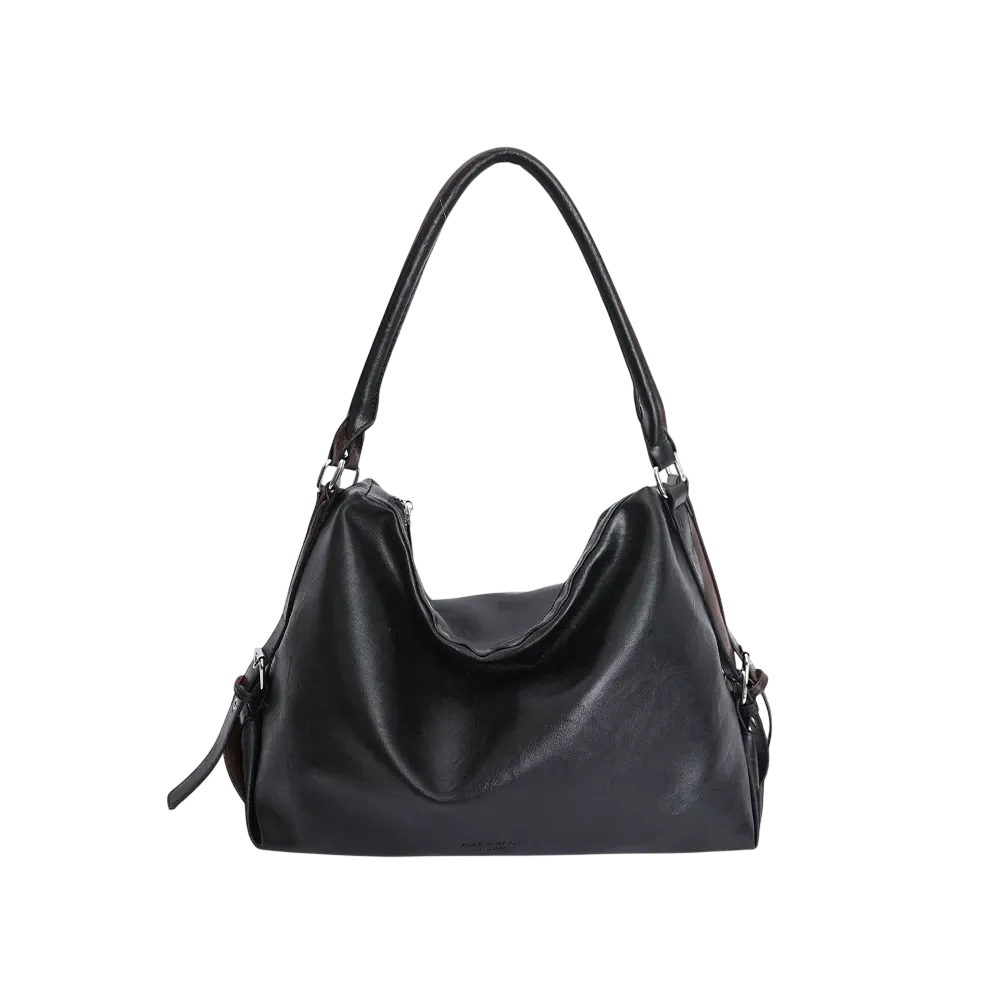
Crodar PU Leather Crossbody Bags
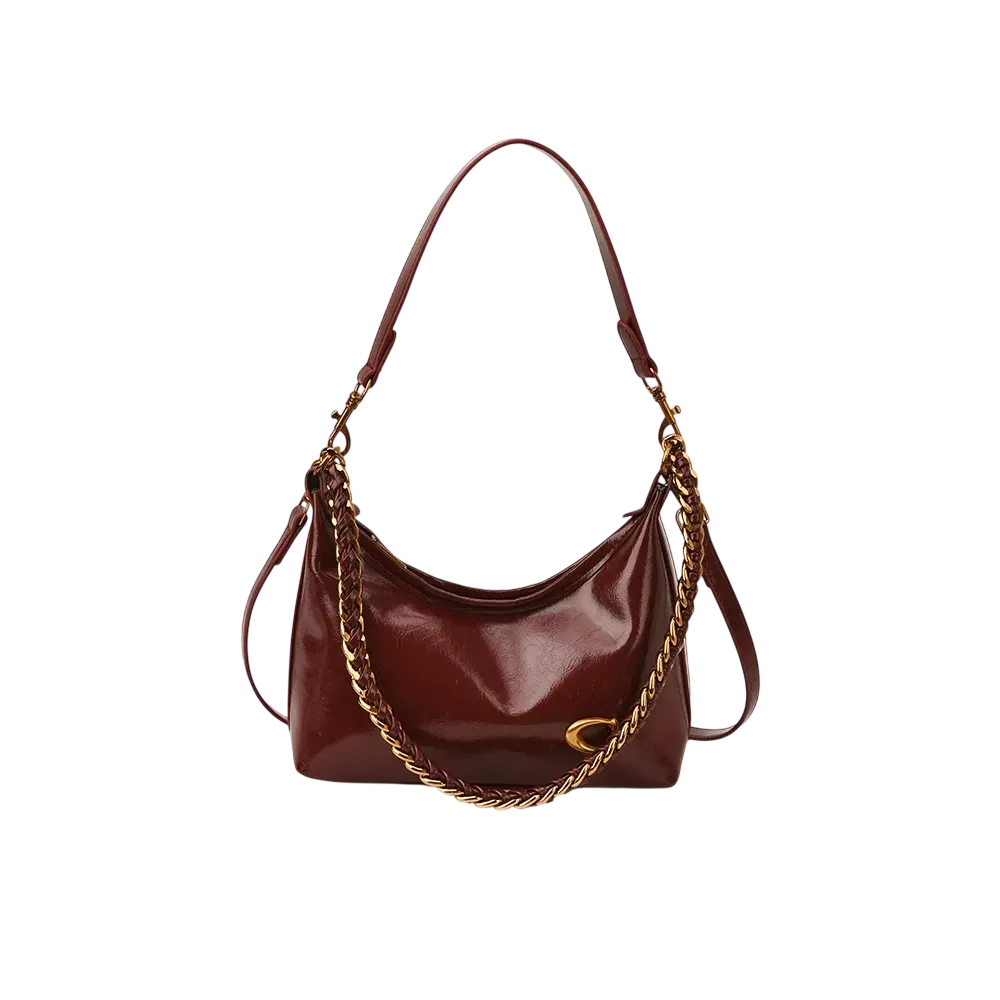
Crodar PU Leather Crossbody Bag features a structured mini silhouette, decorative scarf, and versatile carrying options.
What Makes a Crossbody Bag Travel-Ready
Not every crossbody bag is built for the road. A casual everyday bag might look the part but fail under travel conditions. Here is what separates a travel-ready crossbody bag from a standard one:
Secure Closures and Layered Compartments
Travel crossbody bags should prioritize a zippered main compartment—magnetic snaps and open flaps are too easy to breach in crowded spaces. Beyond the main closure, layered organization matters. Quick-access exterior pockets keep transit passes, boarding documents, and phones reachable without opening the main compartment (which keeps your wallet and passport out of sight). Interior slip pockets separate currencies if you are crossing borders, and a key clip prevents frantic digging at locker rooms or rental desks.
Anti-Theft Architecture
Travel-focused crossbody bags often integrate anti-theft design: slash-resistant body panels (woven with steel or ultra-high-molecular-weight polyethylene filaments), locking zipper pulls that clip into place, RFID-blocking lining in card slots, and hidden zippered pockets against the body panel. These features are not gimmicks—they raise the effort required for opportunistic theft high enough that a pickpocket will move to an easier target. For a broader look at how design choices affect daily usability, our crossbody bag selection guide breaks down what to prioritize before you buy.
Strap Engineering for Long Days
The strap is where travel comfort is won or lost. A padded, 1.5–2 inch wide strap distributes weight without cutting into the trapezius muscle. Adjustability is critical—you need to wear the bag over a t-shirt in tropical humidity and over a winter jacket without readjusting the entire load path. Some travel crossbody bags include a sliding sternum loop or a strap stabilizer that prevents the bag from swinging forward when you lean down or run for a train.
Weight Discipline
Every ounce counts when you are carrying a bag for 10–14 hours. The best travel crossbody bags start light—under 12 ounces empty—and use high-denier nylon or ripstop polyester that resists tearing without adding bulk. A heavy bag before you pack a single item will become a shoulder ache by day three.
Weather Resistance
Travel exposes bags to conditions you cannot control: sudden downpours, condensation on cold train windows, airport floor cleaning sprays, spilled drinks at café tables. A water-resistant exterior (DWR-coated nylon or polyurethane-laminated fabric) handles most travel moisture. Some designs include a packable rain cover in a hidden bottom pocket. If you are deciding between materials, our PU leather vs nylon comparison for travel covers the trade-offs between polish and weather performance in detail.

Crodar PU Leather Crossbody Bags
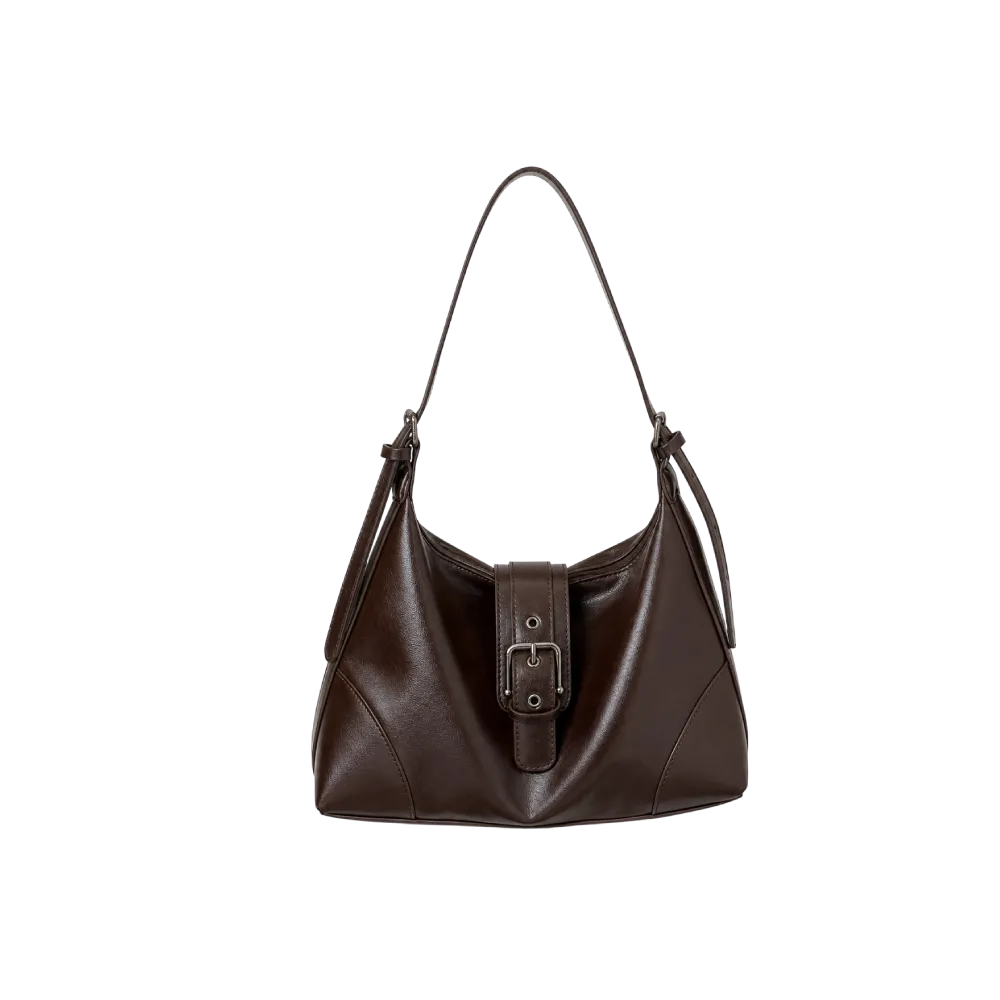
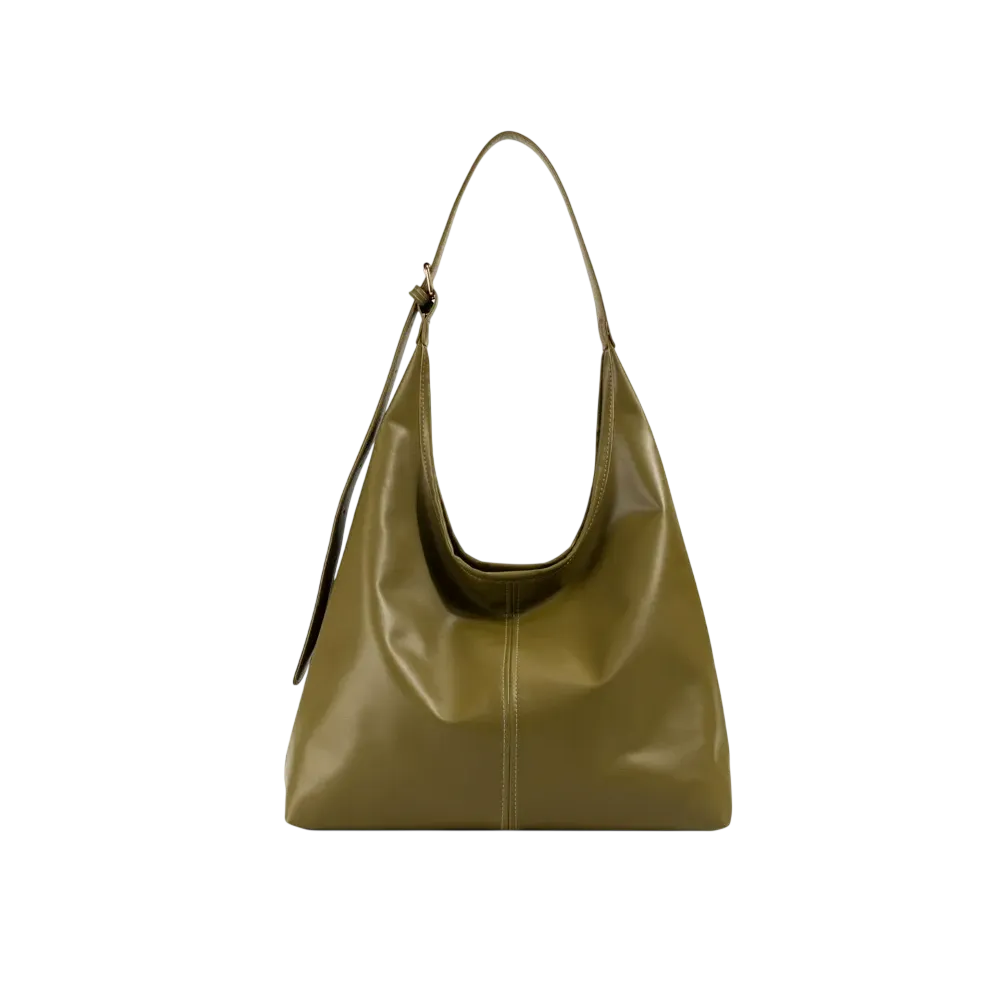
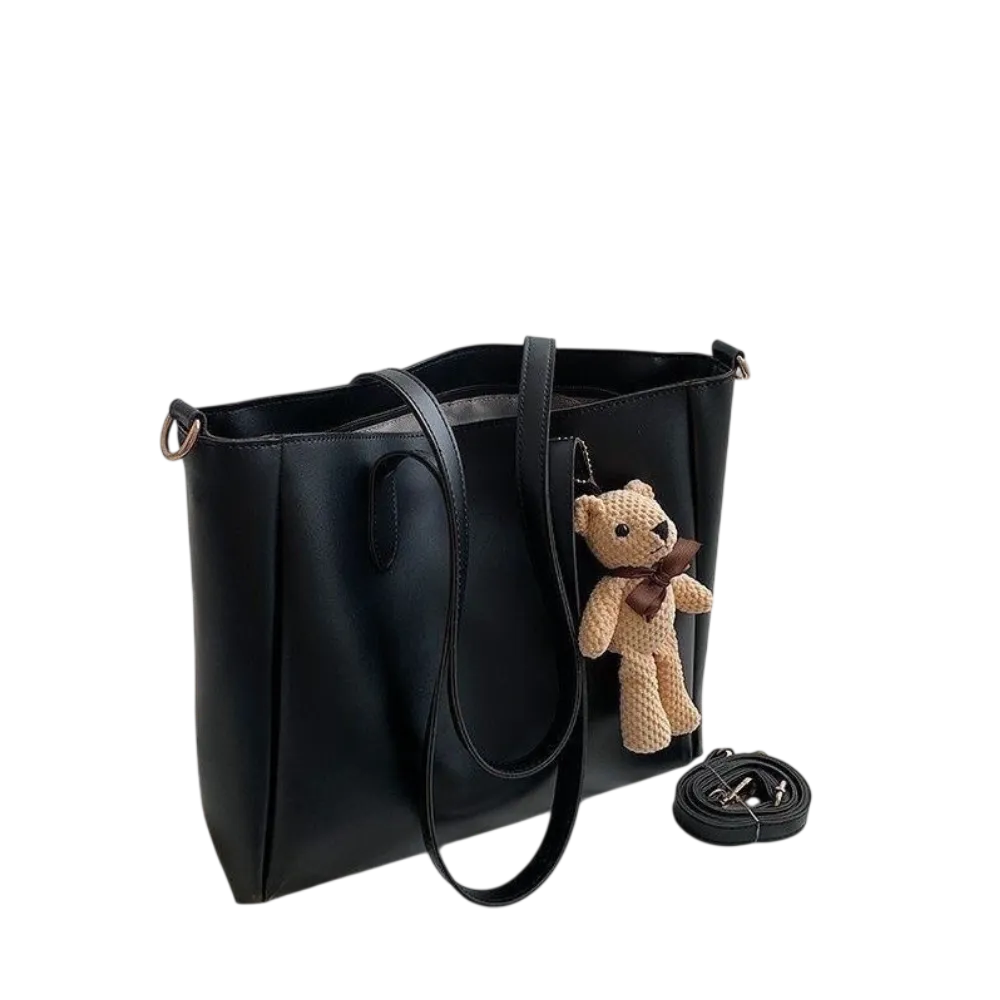
Crodar PU Leather Crossbody Bags combine versatile style and everyday functionality, available in green, black, coffee brown, and more for effortless women’s fashion.
Sizing Your Travel Crossbody Bag
Compact (Under 7 Inches Wide)
A compact crossbody bag for travel holds the non-negotiables: passport, boarding pass, phone, wallet, one credit card backup, lip balm, and a compact power bank. This size excels for day trips from a hotel base, airport navigation, and minimalist carry-on-only travel. The limitation is obvious—no room for a water bottle, light layer, or souvenir shopping. But for travelers who pack a separate daypack for bulkier items, a compact crossbody handles the valuables perfectly.
Medium (7–10 Inches Wide)
The medium crossbody bag for travel is the most versatile size for multi-day trips. It adds capacity for a folded tote, a light jacket, a 500ml water bottle, snacks, a small book or tablet, and a compact camera—without tipping into uncomfortable shoulder-loading territory. This is the size most travel bloggers and flight crew members reach for on personal trips. It works from airport security through to dinner reservations without feeling oversized or underprepared.
Large (Over 10 Inches Wide)
A large travel crossbody bag holds nearly as much as a small backpack while keeping your hands free. This size suits backpacker-style travelers carrying for multiple days with minimal luggage, or anyone who finds smaller bags restrictive. The trade-off is real: a fully loaded large crossbody can strain the shoulder joint after 4–6 hours of continuous wear. If you need this capacity, look for a convertible design with a waist belt or a strap that can split the load across both shoulders.
Organization Strategy for the Road
Travel organization is different from daily organization because the stakes of losing something are higher and replacement is harder. Divide your packing into four zones:
- Quick-Access Zone: Passport, boarding pass or travel app, phone, payment cards. Exterior or top pocket. You will reach for these items at every security checkpoint and transit gate.
- Security Zone: Backup credit card, emergency cash in local currency, photocopy of passport, spare house key. Hidden interior pocket, separate from your main wallet. If your primary wallet is lost or stolen, this zone keeps you functioning.
- Comfort Zone: Prescription medications, spare glasses, lip balm, hand sanitizer, pain relievers, feminine care. Packed in a small clear pouch so you can locate them instantly without emptying the bag.
- Activity Zone: Destination-specific items—light rain jacket, sunscreen, compact camera, phrasebook, souvenir budget envelope. Adjust this zone based on the day’s plan.
Materials That Earn Their Keep
Nylon and Ripstop Synthetics
Water-resistant nylon is the default for travel crossbody bags because it checks every box: light, strong, quick-drying, stain-resistant, and easy to wipe clean. Recycled nylon options add sustainability credentials without sacrificing performance. For humid climates and rainy seasons, nylon is unbeatable.
PU Leather
PU leather crossbody bags for travel feel more polished than nylon and transition naturally from airport to restaurant to evening events. Quality PU leather resists staining and handles light moisture. The trade-off is weight and heat sensitivity—avoid leaving a PU leather bag on a hot car seat or in direct sun for extended periods. If you want one bag that works for both travel days and dressed-up dinners, PU leather in black or espresso is the most versatile choice.
Waxed Canvas
Canvas treated with wax coating combines natural texture with practical water resistance. Waxed canvas crossbody bags handle travel wear with character—small scuffs and marks become part of the bag’s story. They are heavier than nylon and require occasional re-waxing, but for overland travel, train routes, and road trips, they offer a relaxed, durable aesthetic that ages well.
Comfort Testing Before You Fly
A travel crossbody bag you will wear for 10+ hours a day should be tested in realistic conditions before your trip. Wear it at home for a full Saturday: load it with your actual travel items, walk for 30 minutes, sit in a car, bend down, reach overhead, and practice retrieving your phone and passport one-handed. Notice where the strap sits when you are seated—a bag that rides up and presses against your ribs while sitting is a bag you will stop using by day two. If the strap leaves a mark on your shoulder after an hour of wear, it is too narrow or lacks padding.
The travel packing guide for crossbody bags also covers how to distribute weight inside the bag—keeping heavier items (power bank, water bottle) closest to your body and lighter items toward the exterior flap reduces swing and improves comfort.
Security Habits That Amplify Design
A well-designed crossbody bag reduces risk, but your habits complete the system. In very crowded situations—subway cars, markets, festival lines—position the bag in front of your body rather than on your hip. Keep the main compartment zipper facing inward toward your torso. Avoid displaying cash or expensive electronics when opening the bag in public. Use locking zippers if your bag has them; if not, a small carabiner through the zipper pull and a nearby loop works as a field expedient. Stay alert in transit hubs where distraction techniques (someone spilling a drink on you, asking for directions, creating a commotion) are common.
For authoritative guidance on travel security practices, the TSA travel tips resource covers checkpoint preparation and carry-on organization. Broader theft-prevention context from the U.S. State Department travel advisories includes destination-specific safety notes worth reviewing before you pack. And for the bigger picture on reducing textile waste through considered purchases, the EPA’s recycling and reuse materials overview explains why buying one durable, repairable travel bag beats cycling through disposable fast-fashion alternatives.
Style That Does Not Scream “Tourist”
A travel crossbody bag should blend into your destination environment. Bright neon colors, oversized logos, and technical tactical aesthetics signal “visitor” in many cities. Neutral tones—black, charcoal, olive, tan, navy—transition from airports to city streets to restaurants without drawing attention. A clean, structured silhouette reads as intentional rather than purely functional. If you choose well, your travel crossbody bag will work double duty in your regular rotation at home, replacing the need for a separate everyday bag.
FAQ
Q: What size crossbody bag should I take traveling?
A: A medium crossbody bag (7–10 inches wide) suits most multi-day trips—it holds essentials plus a light layer, water bottle, and small extras without overloading the shoulder. Compact works for day trips and minimalist carry-on travel; large suits backpacker-style trips where the crossbody is your only bag.
Q: Should a travel crossbody bag be waterproof?
A: Water-resistant is the practical standard—it handles rain, spills, and condensation without feeling overly technical. Fully waterproof bags exist but often sacrifice quick access and aesthetic flexibility. Choose water-resistant nylon or PU leather with a DWR coating for most travel scenarios.
Q: How do I keep a crossbody bag secure while traveling?
A: Wear it in front of your body in crowded places, use zippered (preferably locking) closures, store valuables in hidden interior pockets, and stay aware of your surroundings. A crossbody bag is inherently more secure than a shoulder bag or backpack, but these habits amplify that advantage.
Q: Can I use a regular crossbody bag for travel, or do I need a travel-specific one?
A: A regular crossbody bag works if it has secure closures, a comfortable padded strap, and enough capacity for your travel essentials. Travel-specific bags add anti-theft features (slash-resistant panels, RFID blocking, locking zippers) and weather resistance—worth it if you travel frequently or visit high-pickpocket areas, but not mandatory for every trip.