
Understanding the Vegan Leather vs Genuine Leather Debate
The question of vegan leather versus genuine leather is not simply an ethical choice—it involves practical considerations about durability, aesthetics, maintenance, and value. Both materials have legitimate advantages and disadvantages. Understanding these differences helps you choose the material that best suits your specific needs, values, and lifestyle rather than assuming one option is universally “better.”
Vegan leather includes any leather alternative made from plant or synthetic materials. PU leather (polyurethane) is the most common type. Genuine leather remains the traditional standard. Comparing these materials requires examining durability, environmental impact, maintenance, aesthetics, and cost.
Durability: Comparing Material Longevity
Genuine leather, when properly maintained, is extremely durable and can last 10-15 years or longer. Leather develops patina over time, becoming more beautiful with age if cared for. Properly conditioned leather resists damage and ages gracefully.
Vegan leather (typically PU) lasts 3-5 years with proper care, potentially longer with excellent maintenance. PU leather does not develop character over time; it maintains consistent appearance or gradually deteriorates depending on care. High-quality PU leather can outlast poorly maintained or lower-quality genuine leather.
Neither material is inherently more durable; durability depends on quality of the specific material and how well it is maintained. A premium PU leather bag properly cared for lasts as long as many genuine leather bags. Lower-quality genuine leather deteriorates faster than quality PU leather.

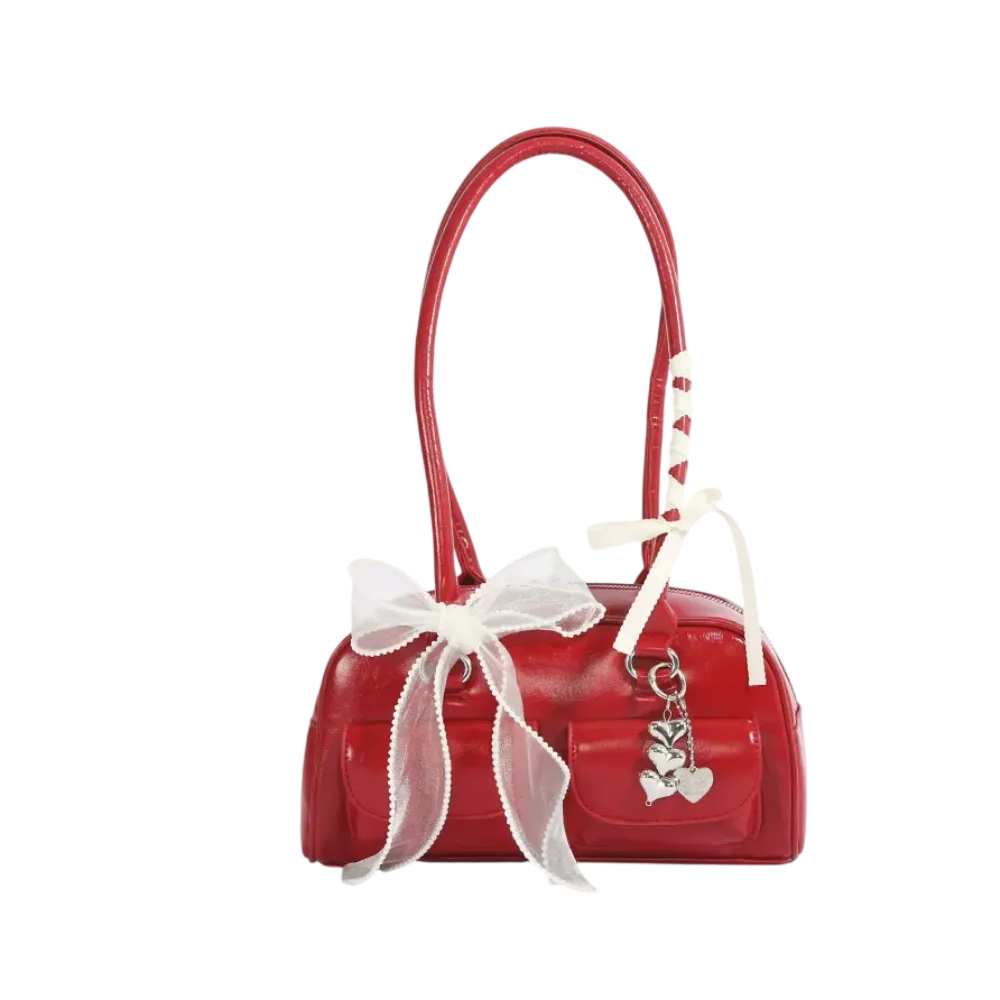
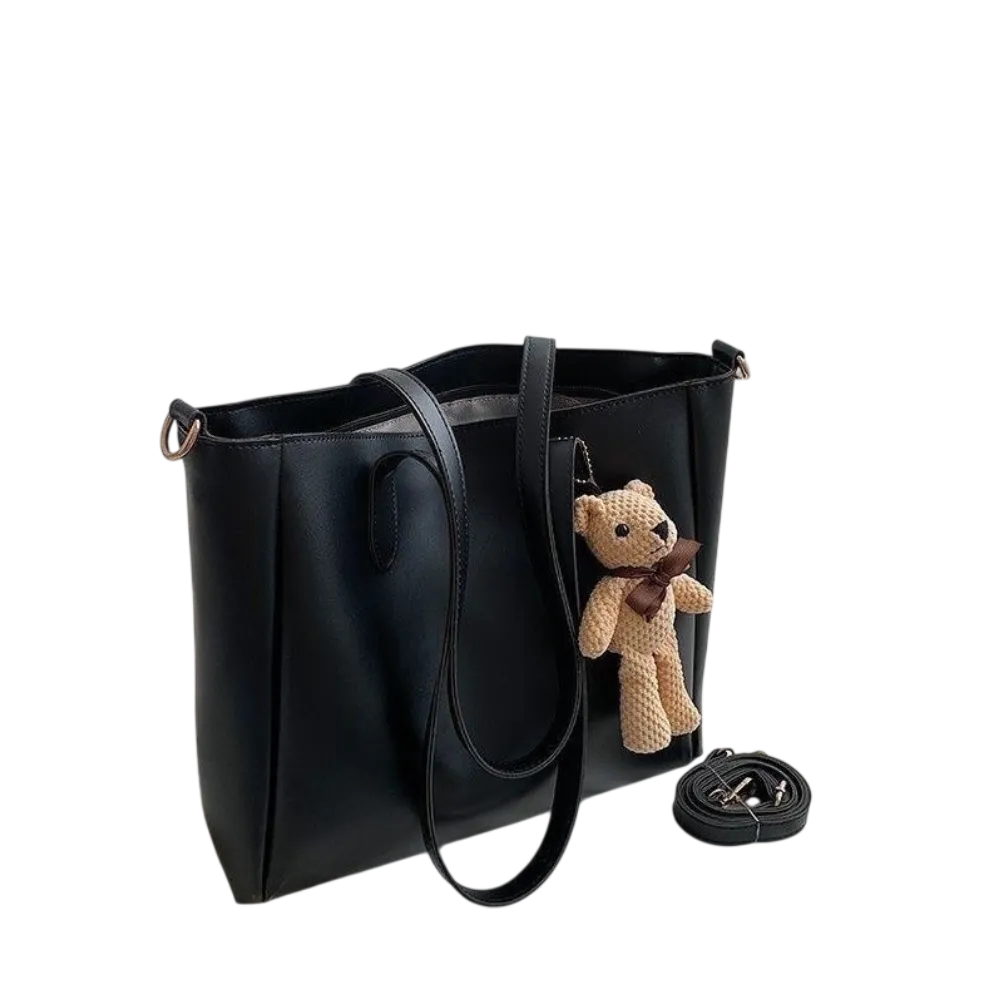
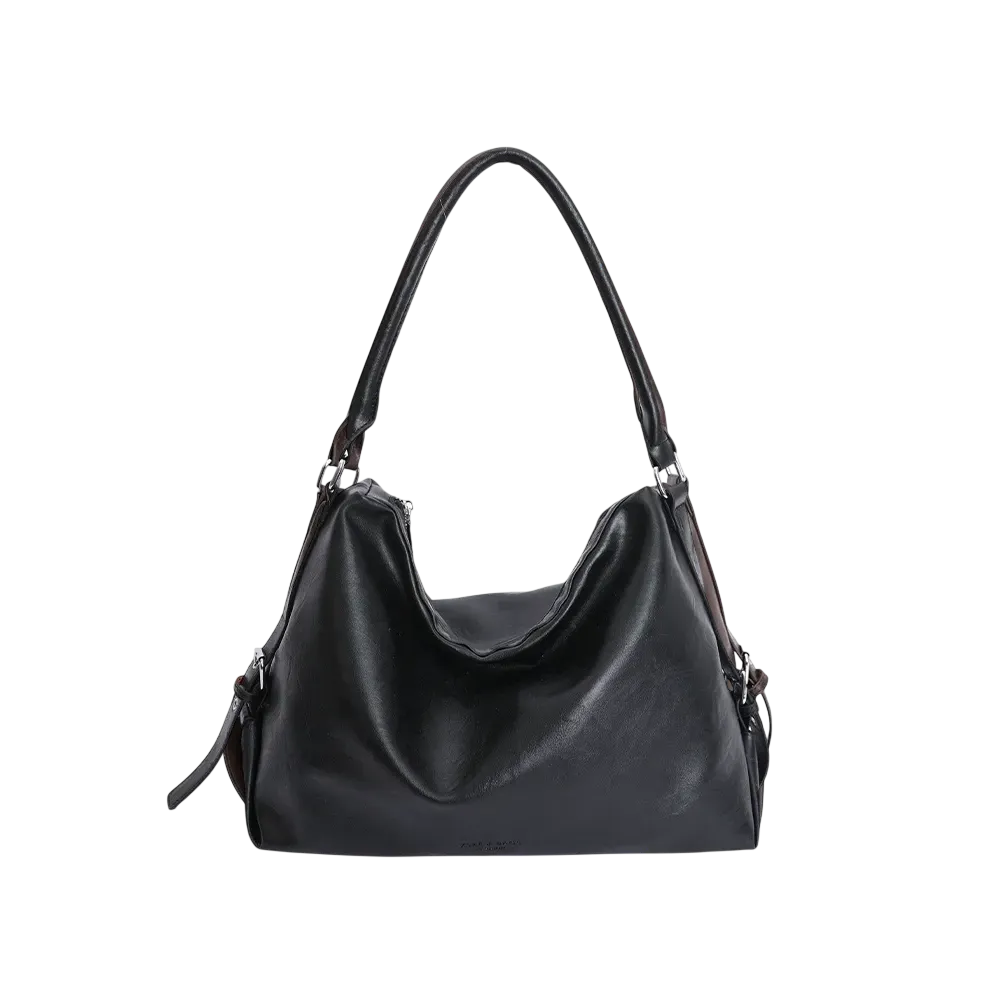
Crodar Vintage Handbag for Women
A vintage-inspired handbag for women featuring a textured crocodile pattern, comfortable top handle, spacious interior, and a charming teddy bear accessory.
Environmental Impact: A Complex Comparison
The environmental impact of leather versus vegan leather is more complex than marketing suggests. According to Ellen MacArthur Foundation sustainability research, genuine leather production involves livestock farming, which creates significant environmental impact through feed production, land use, and processing chemicals.
However, PU leather production involves petroleum-based chemicals and synthetic production processes that create environmental impact through manufacturing and eventual disposal (PU leather does not biodegrade). Vegan leather that lasts only 2-3 years requires more frequent replacement, which increases overall environmental cost compared to genuine leather lasting 10+ years.
True sustainability requires considering the entire lifecycle: material production, manufacturing process, lifespan, maintenance requirements, and end-of-life disposal. See Textile Exchange environmental standards for comprehensive analysis of material sustainability.
A vegan leather bag that lasts 2 years and is replaced four times over 8 years may have greater environmental impact than one genuine leather bag lasting 8 years, even accounting for leather production environmental costs.
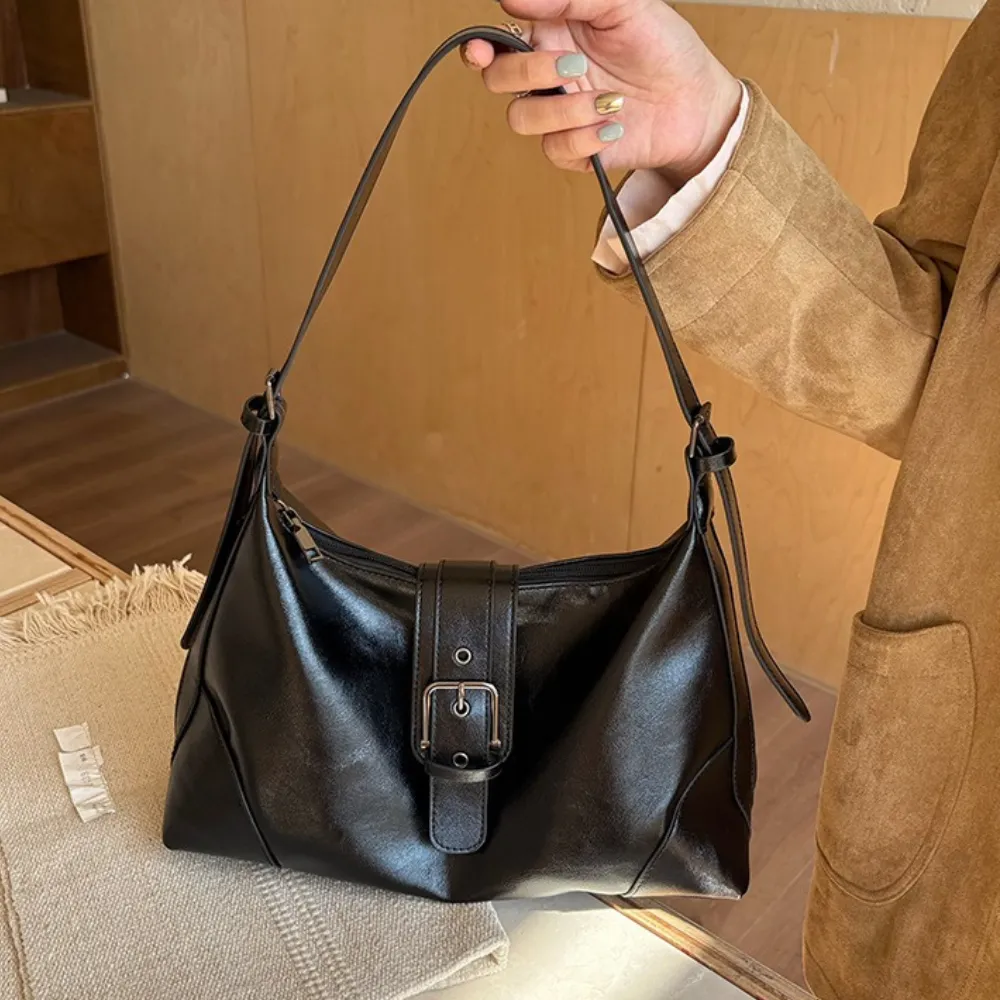
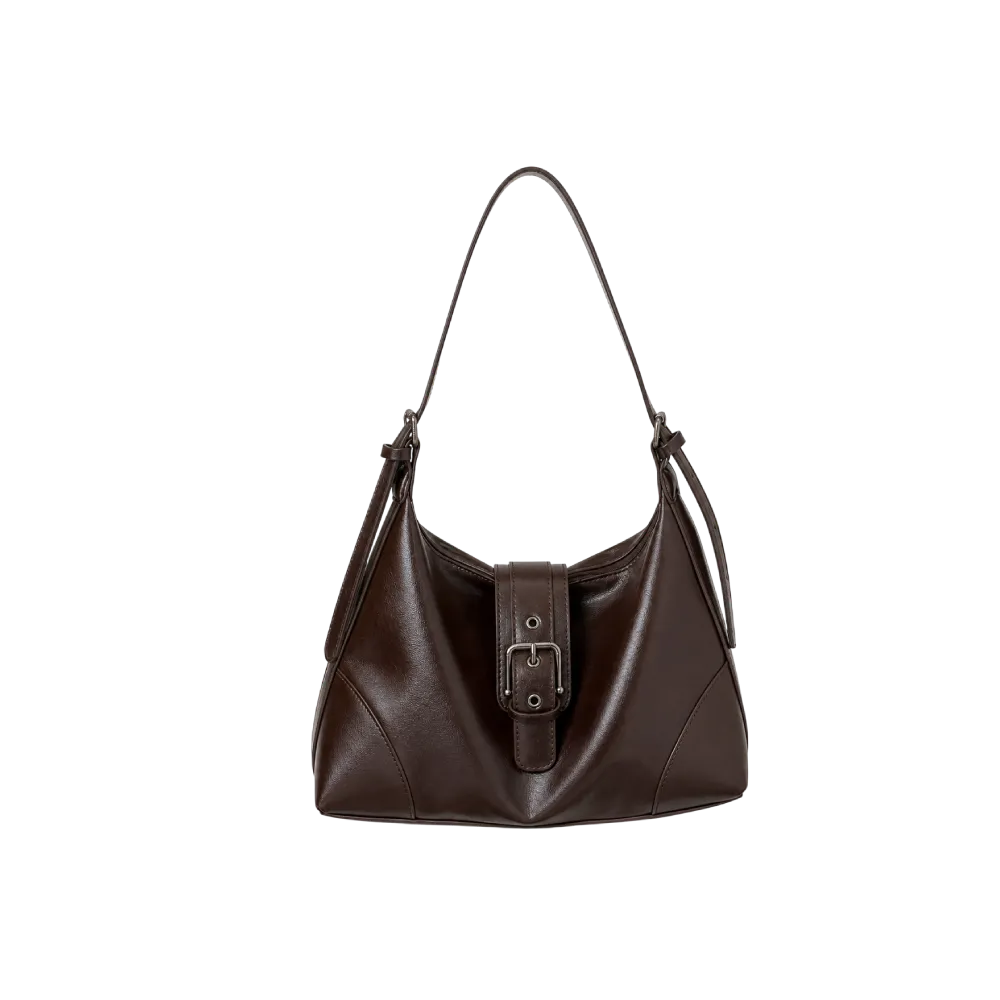
Crodar Vintage Shoulder Bag
The Crodar Vintage Shoulder Bag combines timeless style with everyday functionality. Crafted from soft PU leather, this brown women’s shoulder bag features a vintage buckle design.
Aesthetics and Feel
Genuine leather offers a luxurious feel, develops unique character over time, and improves with age when properly maintained. Leather develops a rich patina that many consider more beautiful than the original finish. For people who value aesthetics and aging beauty, genuine leather is preferred.
Vegan leather offers a consistent, uniform appearance maintained over time (until it deteriorates). It does not develop character or patina. For people who prefer bags to maintain their original appearance indefinitely, PU leather is preferable.
Neither is objectively “better” aesthetically. Your preference depends on whether you value patina development (genuine leather) or consistency (vegan leather).
Maintenance Requirements and Practical Living
Genuine leather requires regular conditioning, protection from water and stains, and intentional maintenance to remain in good condition. Leather maintenance is not difficult, but it requires consistency and effort. For busy women, or those unwilling to invest in leather care, this ongoing maintenance is a liability.
Vegan leather requires simpler maintenance—regular cleaning with mild soap and water, occasional protective spray. No conditioning needed. No worry about water damage to untreated leather. For practical daily use with minimal fuss, vegan leather is easier to maintain.
See how to clean and maintain PU leather bags at home for detailed guidance on vegan leather care that confirms how much simpler it is than genuine leather maintenance.
Cost Comparison: True Value Analysis
Genuine leather typically costs more upfront than vegan leather. However, genuine leather’s longevity means lower cost per year of use. A $400 genuine leather bag lasting 10 years costs $40 per year. A $100 vegan leather bag lasting 3 years costs $33 per year—slightly lower yearly cost, but requiring three replacements versus one.
Vegan leather offers lower initial investment, making quality materials accessible at lower price points. Genuine leather requires larger upfront investment but amortizes to better value if the bag is maintained well and used for years.
See is this handbag worth the price for comprehensive guidance on evaluating genuine vs vegan leather bags at different price points.
Ethical and Practical Considerations
Some women prefer vegan leather for animal rights reasons and are comfortable with synthetic material environmental impact. Others prefer genuine leather and accept the environmental impact of livestock farming. Neither choice is universally “right”—both involve tradeoffs.
Practical considerations matter too: if you travel frequently to wet climates, water-resistant vegan leather is more practical than untreated leather. If you want a bag that improves with age and develops character, genuine leather is the right choice.
Which Material is Better for Different Lifestyles
Genuine leather is better if: You value aesthetics of aging leather, plan to use one bag for 10+ years, are willing to maintain it regularly, and accept the environmental impact of leather production.
Vegan leather is better if: You prefer low-maintenance bags, want water resistance without treatment, value simpler care, or prefer consistency over patina development. It is also better if you rotate through multiple bags rather than using one bag for years.
Neither is universally better; the better choice depends on your specific values, maintenance willingness, and usage patterns. Please see our blog PU leather vs Genuine leather for more details.
FAQ
Q: Does vegan leather last as long as genuine leather? A: Quality vegan leather lasts 3-5 years; quality genuine leather lasts 10-15 years. Genuine leather is inherently more durable, though proper care matters enormously for both.
Q: Is vegan leather actually more environmentally friendly than genuine leather? A: Not necessarily. Full lifecycle analysis is complex. Vegan leather’s shorter lifespan may offset its lower production environmental impact. Both have environmental costs.
Q: Which material is better for someone with limited time for maintenance? A: Vegan leather is better. It requires minimal care compared to leather conditioning and protection requirements.
Q: Will genuine leather develop an unpleasant patina over time? A: With proper care, genuine leather develops attractive patina. Without care, it can develop mold, mildew, or water staining. Maintenance determines outcome.
Q: Is vegan leather considered cheap or low-quality? A: Not inherently. High-quality vegan leather from reputable brands is durable and legitimate. Quality depends on the specific brand and material, not on material type alone.
Q: Can I treat genuine leather to be as water-resistant as vegan leather? A: Protective spray increases water resistance, but untreated genuine leather never matches vegan leather’s inherent water resistance.
Q: Should I choose vegan leather or genuine leather for a work bag? A: Either works. Choose based on your maintenance preferences, desired lifespan, and whether you want a bag that develops character or maintains consistency.
Q: What is the honest environmental choice between vegan leather and genuine leather? A: There is no universally “greener” choice. Both have environmental costs. A bag (genuine or vegan) kept for years has better environmental impact than a frequently-replaced bag.