Have you read the type of handbags, maybe you want to know how to store it for save long. Cleaning a handbag gets most of the attention, but how you store it between uses matters just as much — a well-cleaned bag left crushed in a bin or hung by a delicate strap can undo months of careful care in a matter of weeks. Here’s a practical, room-by-room breakdown of how to keep your handbags in good shape, whether you’ve got a full walk-in closet or a single shelf to work with.
Why Storage Matters as Much as Cleaning
Bags lose their shape and structure gradually, usually from the same handful of preventable causes: being stacked under heavier items, hung by weak straps for months at a time, exposed to sunlight or humidity, or stored empty with nothing to help them hold their form. None of this is dramatic damage — it’s slow, cumulative wear that often isn’t obvious until the bag comes back out of storage looking noticeably different than when it went in.
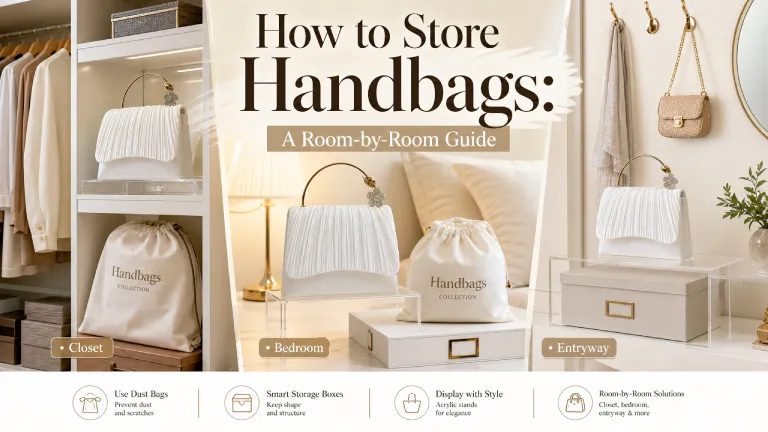
Closet Storage: Shelves vs. Hanging vs. Bins
Shelves are generally the best option for structured bags, since the weight is evenly supported and the bag holds its natural shape rather than being pulled or compressed. Position bags upright rather than on their sides when the shelf allows for it.
Hanging works well for soft, unstructured bags with sturdy handles, but it’s worth being cautious with anything on a delicate strap — thin straps can stretch or warp over months of continuous hanging weight. If you do hang bags, rotate which strap bears the weight occasionally.
Bins and boxes are useful for off-season or rarely used bags, but avoid stacking bags directly on top of each other inside a bin. A bag squeezed under others for months can develop permanent creases or a flattened shape.
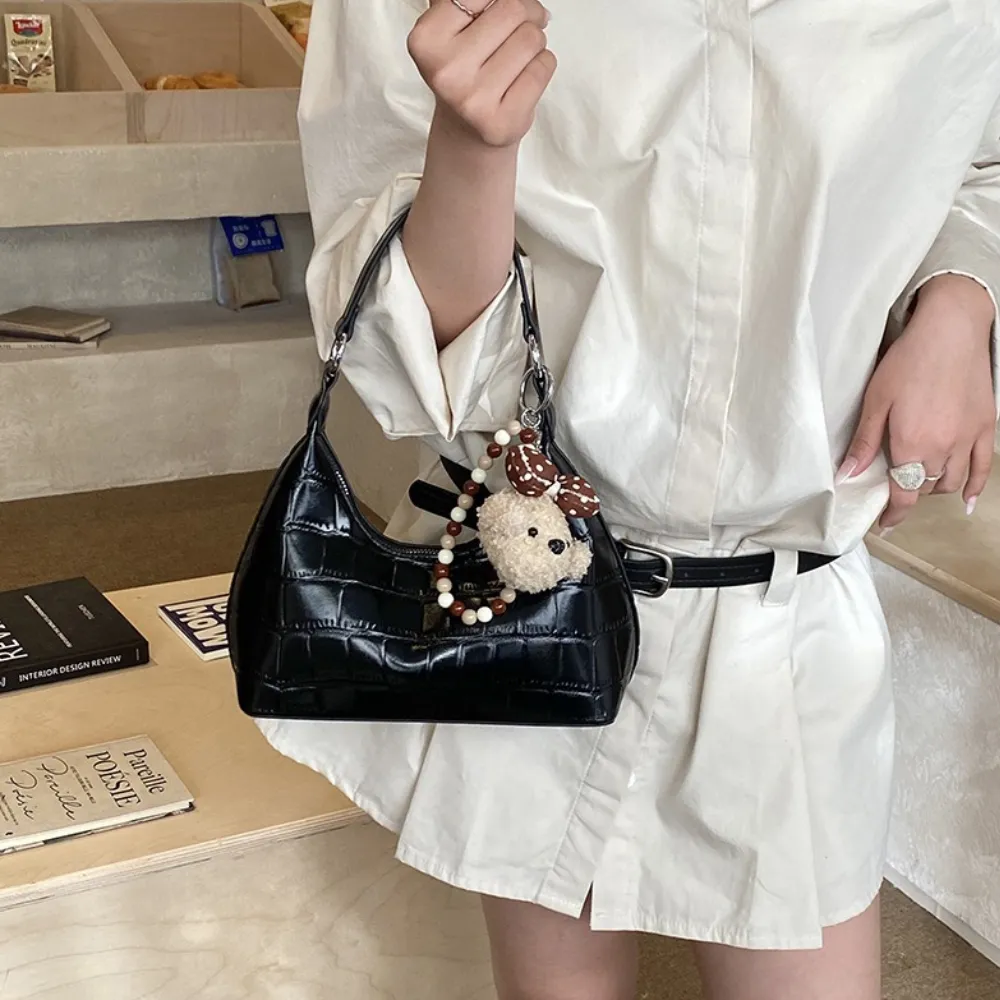
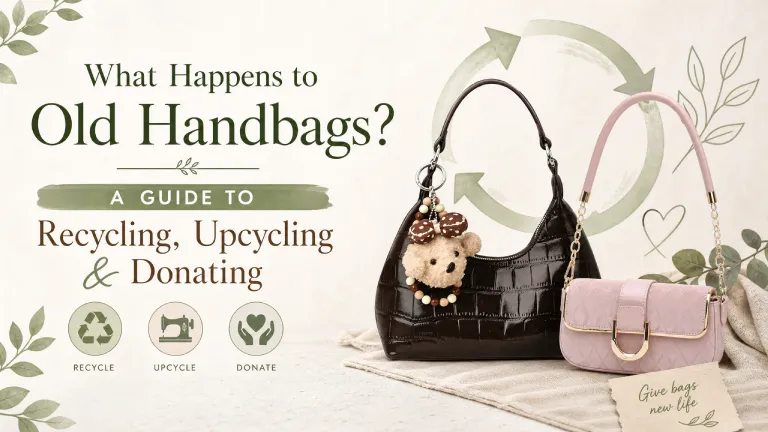
Crodar Vintage Handbag for Women
A vintage-inspired handbag for women featuring a textured crocodile pattern, comfortable top handle, spacious interior, and a charming teddy bear accessory.
Using Dust Bags and Stuffing Materials Properly
A breathable dust bag protects against dust and light scratches from other items without trapping moisture the way a sealed plastic bag can — plastic is one of the more common causes of mildew or a musty smell developing in stored bags. If your bag didn’t come with one, a plain cotton pillowcase works as a reasonable substitute.
For stuffing, acid-free tissue paper or a clean, soft cloth works well to help a bag hold its shape. Avoid newspaper, which can transfer ink, and avoid stuffing so tightly that it stretches the material — the goal is gentle support, not maximum firmness.
Storing Bags You Rarely Use (Off-Season Rotation)
For bags you only bring out occasionally — a bold color, a special-occasion clutch, a heavier winter bag — a slightly more deliberate storage routine pays off:
- Clean the bag before putting it away, since dirt and oils left on the material can set in or attract pests over a long storage period
- Store it stuffed and in a dust bag, in a stable, moderate-temperature spot — avoid attics, garages, or anywhere with significant temperature swings
- Check on rarely used bags every few months even while in storage, both to reshape them if needed and to catch any developing issues (mildew, pests, discoloration) early
Small-Space Storage Solutions
Not everyone has a dedicated closet system, and a few space-conscious options can still keep bags in good shape:
- Vertical shelf dividers inside a regular closet let you store multiple bags upright in a small footprint without them toppling into each other
- Over-the-door organizers with pockets work for smaller bags, though they’re not ideal for anything heavy or structured
- Under-bed storage boxes with a rigid frame work for off-season bags, as long as you avoid stacking multiple bags inside the same box
- A single dedicated shelf, even just one, is often enough if you rotate which bags are out on display versus stored away seasonally
If you’re storing a leather or PU leather bag long-term, it’s worth pairing good storage habits with the cleaning and conditioning routine covered in our guide on How to Clean and Care for a Leather Shoulder Bag — storage protects the bag between uses, but proper cleaning beforehand is what actually keeps the material in good condition over time.
FAQ
Should I use a dust bag every time I store a handbag, even short-term? It’s a good habit for any bag you won’t be using for more than a few days, since it protects against dust and light scratches with minimal effort. For bags in daily rotation, it matters less.
Can leather or PU leather bags be stacked on top of each other? It’s best to avoid it when possible, especially for structured bags, since sustained weight from stacking can cause permanent creasing or a flattened shape. If stacking is unavoidable, put the heaviest, most structured bags on the bottom.
How often should I check on bags in long-term storage? Checking every few months is a reasonable baseline — it gives you a chance to reshape the bag, air it out, and catch early signs of mildew, pests, or discoloration before they become bigger problems.