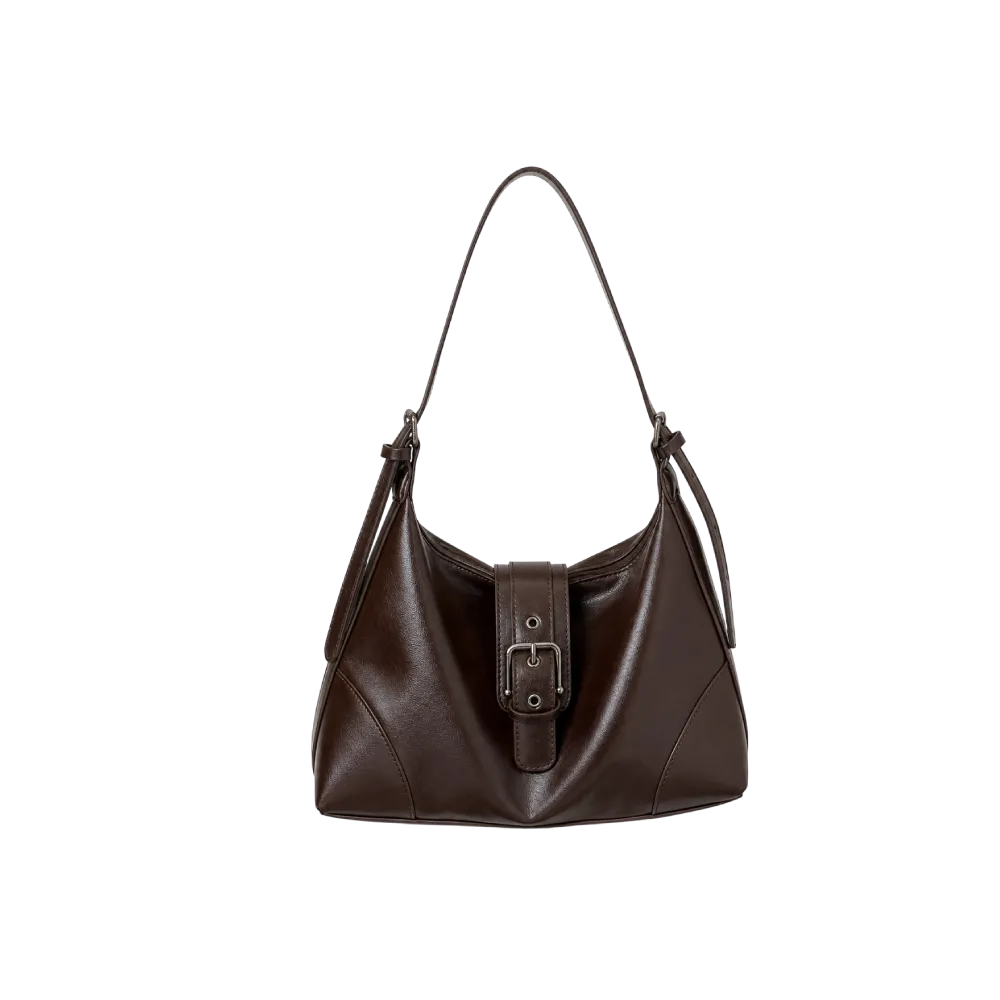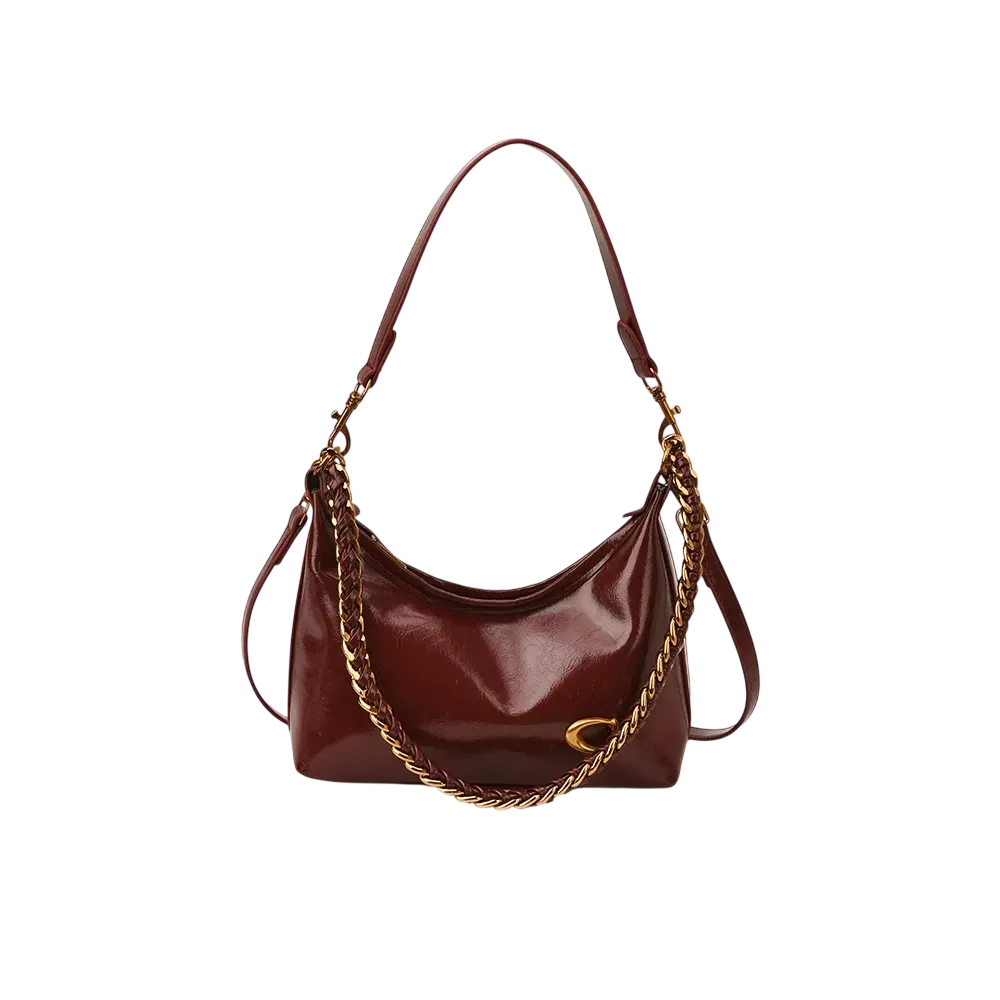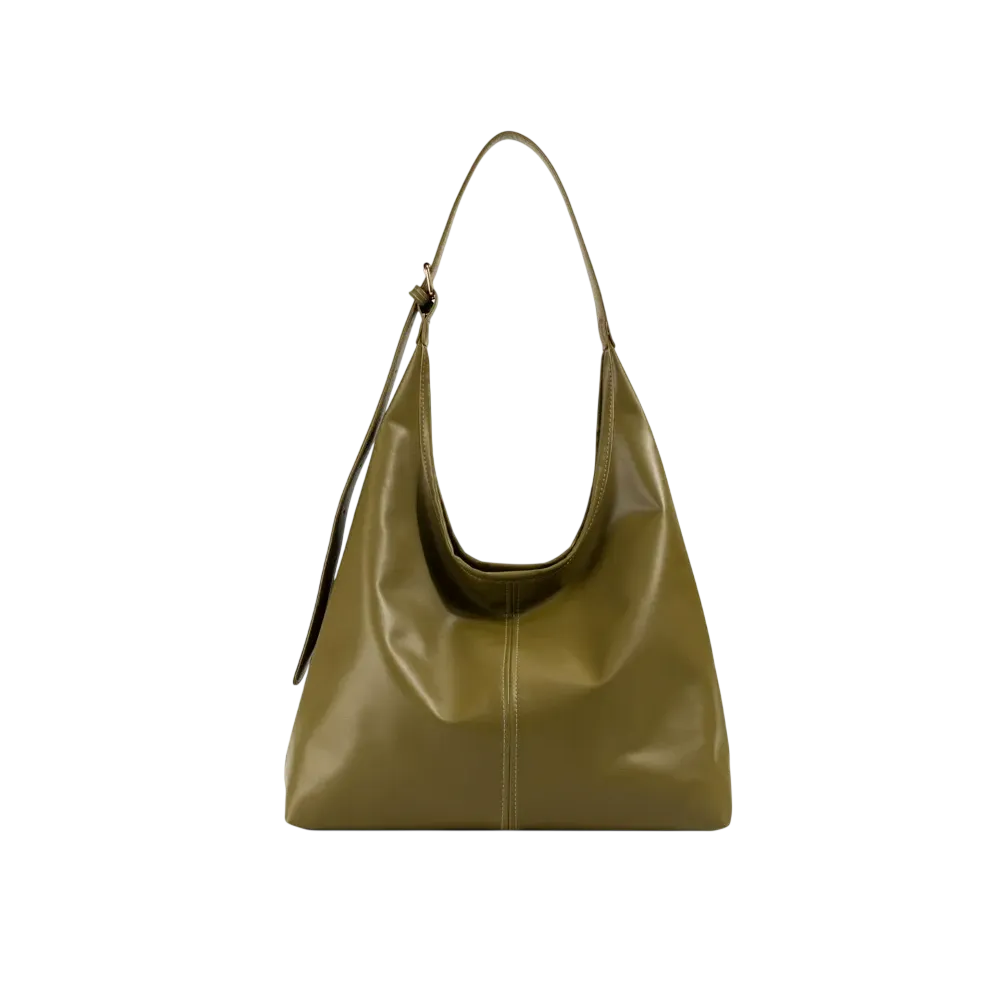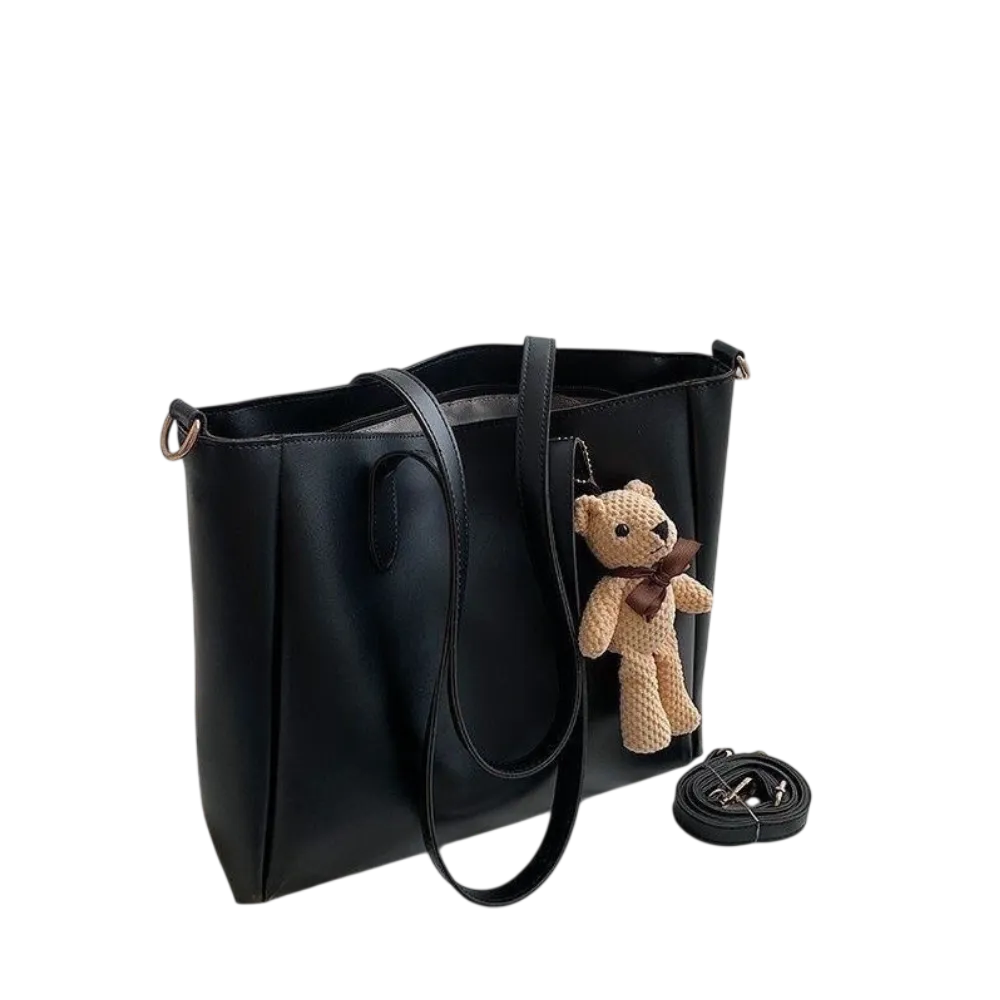
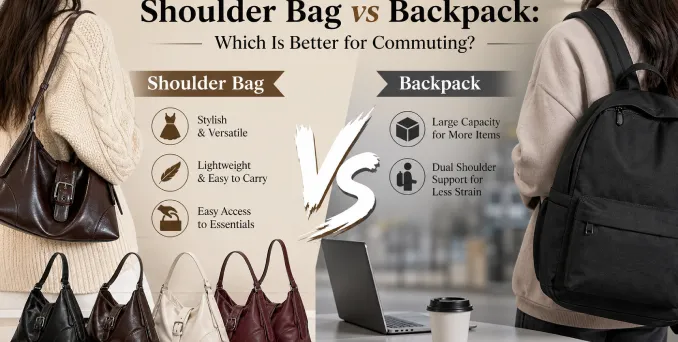
Every commuter eventually asks the same question: should I use a shoulder bag or backpack? The answer shapes your entire daily experience—how your body feels at the end of the day, how quickly you can access your phone or transit card, and whether you feel polished arriving at the office or casual and practical.
Shoulder bag vs backpack is not a question with a universal answer. The choice depends on your commute type, how much you carry, how long you carry it, and what matters most to you about your commuting experience. Understanding the trade-offs helps you choose the format that actually fits your routine rather than the one that looks best in a marketing photo.
Backpacks: The Case for Two-Shoulder Carrying
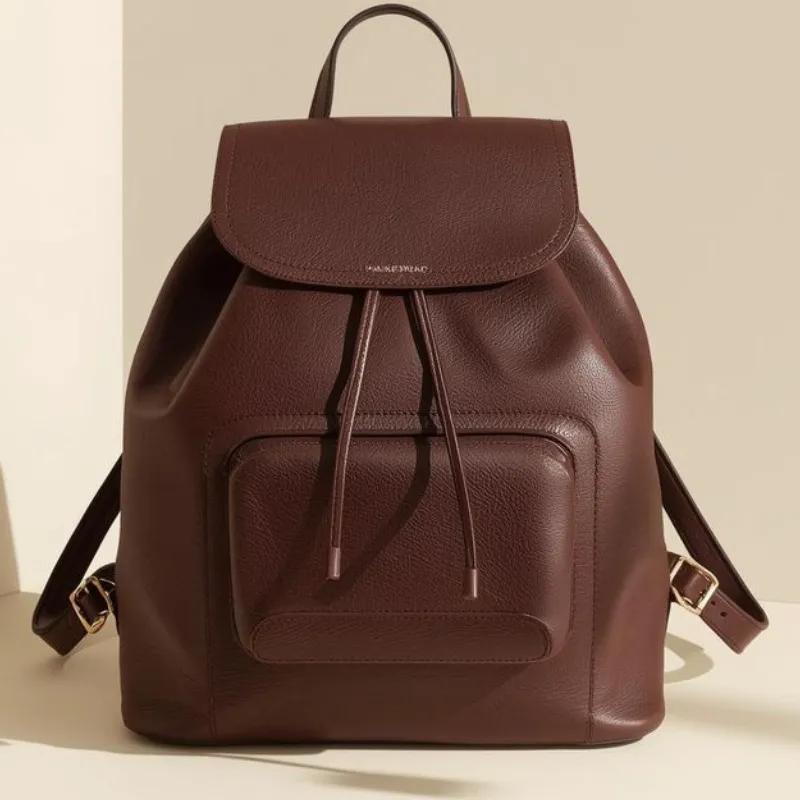
A backpack distributes weight evenly across two shoulders and leaves both hands free. This makes it practical for certain commuting scenarios.
Backpack Advantages:
- Weight distribution: A heavy load feels more balanced across two straps than concentrated on one shoulder
- Hands-free movement: You can hold a coffee, read a transit map, hold a railing on public transportation, or carry other items without struggling
- Practical for longer distances: Walking a 20+ minute commute feels less tiring with a backpack than with a single shoulder strap
- Secure closure: Most backpacks close fully, reducing security concerns in crowded transit
Backpack Disadvantages:
- Harder to access quickly: You typically need to remove the backpack or reposition it to reach items, which is frustrating when you need your phone or transit card
- Less polished appearance: A structured backpack can feel casual, which may not suit office culture depending on your workplace
- Bulky in crowded spaces: On crowded trains or buses, a backpack takes up more physical space and can feel awkward in close quarters
- Posture considerations: A poorly fitted backpack can encourage slouching or an unnatural shoulder position
For ergonomic context, the CDC/NIOSH guidance on carrying loads emphasizes that weight distribution matters, but so does the duration and frequency of carrying. A backpack is theoretically better for long carries, but only if the straps fit properly and the load is truly balanced.
(image for pinterest )
Shoulder Bags: The Case for Quick Access and Polish
A shoulder bag keeps your belongings within arm’s reach and can move naturally from work to casual activities without feeling out of place.
Shoulder Bag Advantages:
- Quick access: You can reach your phone, keys, or transit card without removing the bag
- Polished aesthetic: A structured shoulder bag works naturally in professional and casual settings
- Fits under airplane seats: Shoulder bags are usually narrow enough to fit in tight spaces
- Flexible for transitions: The same bag can work for office hours, lunch meetings, and evening plans
- One-handed use: You can open and close the bag, reach inside, and reposition it all with one hand
Shoulder Bag Disadvantages:
- One-shoulder strain: Carrying weight on a single shoulder for a long period can cause discomfort, especially if the commute is 30+ minutes
- Limited capacity: Most shoulder bags hold less than a full-size backpack, which may not suit those who carry a laptop, lunch, and heavy materials
- Less hands-free freedom: One hand often holds or adjusts the strap, reducing the ease of carrying other items
The trade-off in a shoulder bag vs backpack decision often comes down to this: Do you prioritize quick access and appearance, or do you prioritize even weight distribution and a hands-free commute?
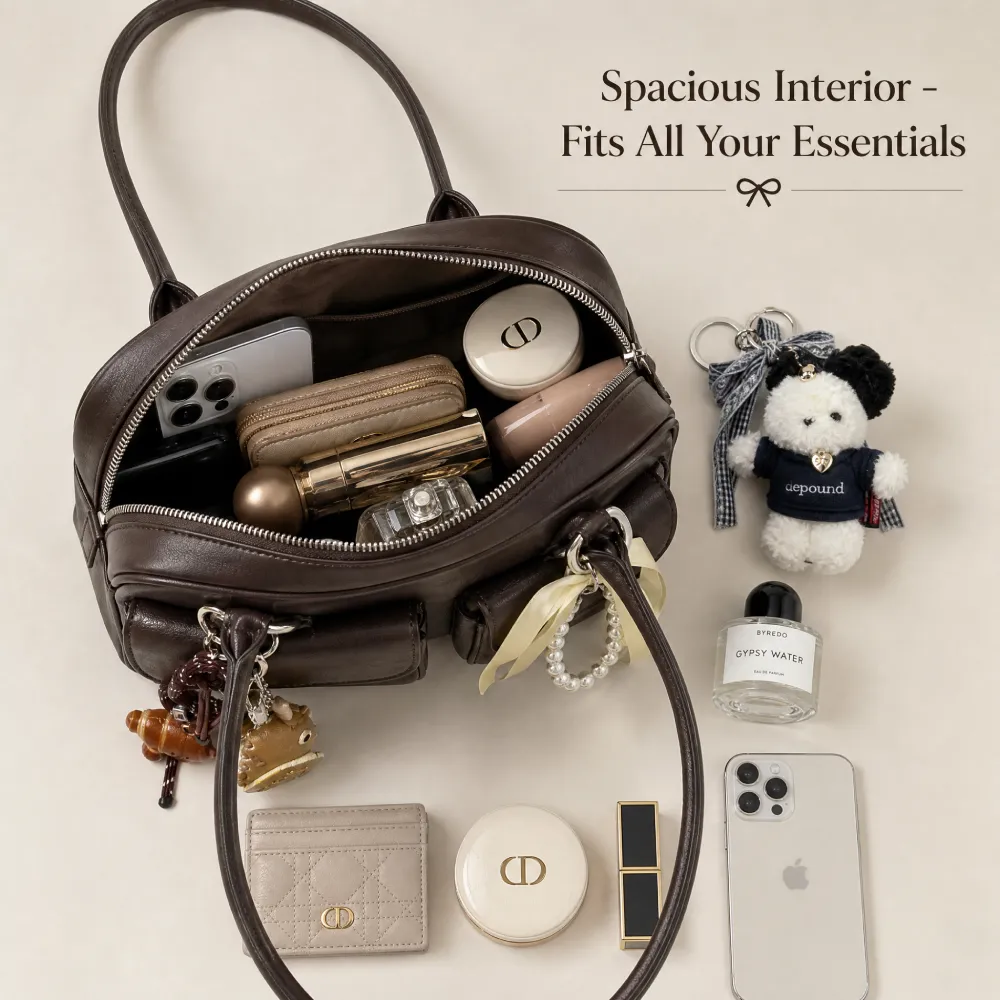
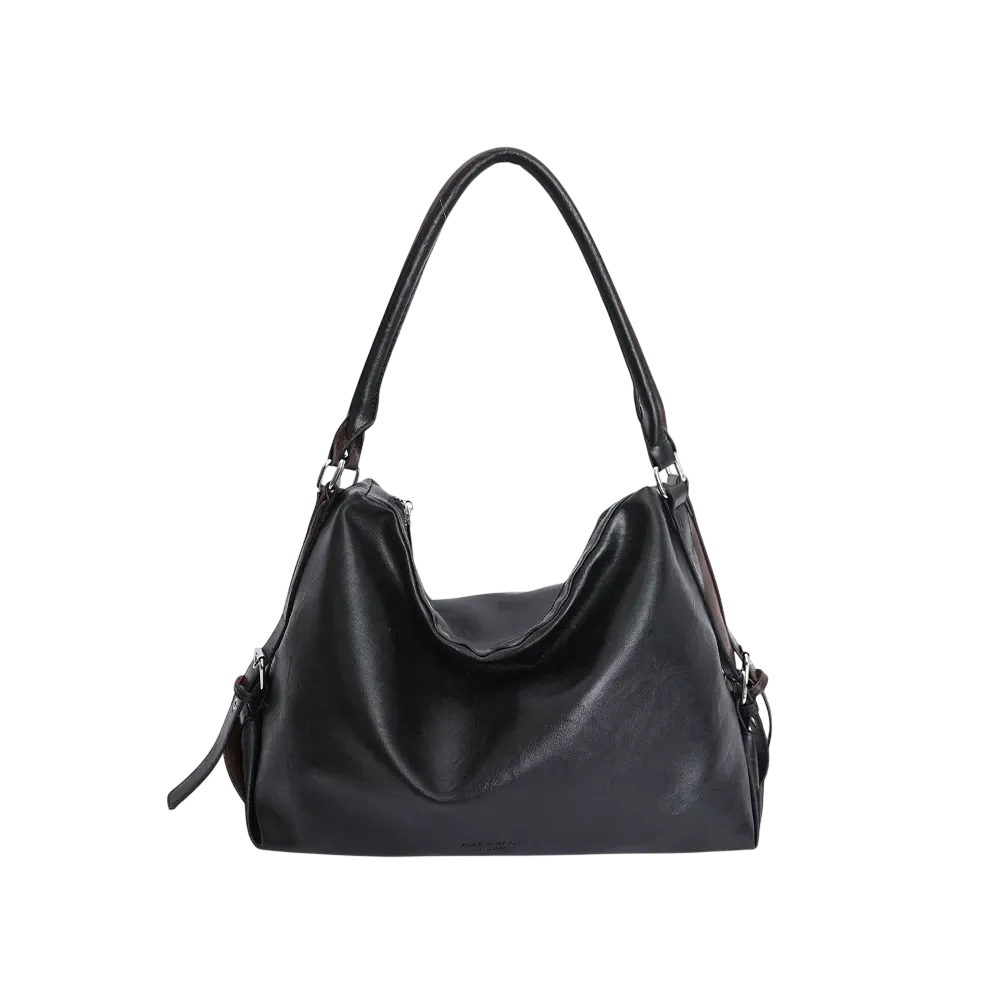
Crodar Y2K Style Shoulder Bag
Step into nostalgic style with the Crodar Y2K Style Shoulder Bag, a trendy everyday accessory with a retro 2000s-inspired look, practical storage, and effortless shoulder carry.
Shoulder Bag vs Backpack for Different Commute Types
For Public Transportation (Bus, Train, Subway)
In crowded transit, space is limited. A shoulder bag’s compact footprint is often practical because it does not take up as much floor space or bump into other passengers. Quick access is also valuable: you may need your phone for directions, your transit card at a gate, or your keys the moment you exit.
However, a backpack for commuting on public transit can work if you position it in front of your body in very crowded moments. This keeps it secure and reduces the likelihood of it hitting someone behind you.
For Walking Commutes (15+ Minutes)
Walking distance and duration matter significantly. For a 15-minute walk, a shoulder bag is usually comfortable. For 30 minutes or longer, a backpack often feels less tiring because weight is distributed across both shoulders. If you walk uphill, carry heavy items, or have any shoulder sensitivity, a backpack vs shoulder bag comparison should favor the backpack for this scenario.
See our guide shoulder bag sizes explained to ensure whatever you choose has enough capacity for your actual commute items.
For Biking or Active Commuting
A loose shoulder bag can shift while riding and may interfere with movement. A backpack or a purpose-built cycling bag is more appropriate during active riding. If biking is occasional and you sometimes use other commute methods, a crossbody bag can work as a compromise—it stays close to the body and does not shift like a shoulder bag might.
Shoulder Bag vs Backpack: Hybrid and Convertible Options
If you cannot decide between shoulder bag vs backpack, convertible styles offer middle ground:
Convertible Bags: Some bags include detachable or convertible straps that can be used as a shoulder bag, crossbody, or backpack depending on the moment. You get flexibility across multiple commute scenarios.
Structured Shoulder Bags with Wide Straps: A wider shoulder strap distributes pressure more evenly than a narrow strap, reducing single-shoulder strain even on longer commutes.
Hybrid Work Bags: Some designs combine backpack capacity with shoulder-carry options, letting you choose how to carry based on the day’s needs.
For a broader comparison of carrying styles, see our blog crossbody vs shoulder bag vs tote: which one fits your lifestyle?
Shoulder Bag vs Backpack: Which One Fits Your Commute?
Instead of asking which style is universally better, consider what your commute actually looks like.
| Commuting Situation | Option to Consider | Why |
|---|---|---|
| Short walk to work | Shoulder bag | Easy access and simple everyday storage |
| Long walking commute | Backpack | Useful for carrying a heavier load |
| Crowded public transportation | Either | Depends on load and accessibility needs |
| Cycling | Backpack | Keeps the load more secure and hands free |
| Light office essentials | Shoulder bag | Enough storage without excess bulk |
| Laptop + multiple accessories | Backpack | More room and two-strap support |
| Work + dinner afterward | Shoulder bag | Easier transition from work to social settings |
| Minimal everyday carry | Shoulder bag | Quick access without unnecessary capacity |
Ergonomics and Comfort in the Shoulder Bag vs Backpack Decision
Research on carrying loads and posture suggests that weight distribution is important, but so is the total load and the duration of carrying. A light shoulder bag (under 5 pounds) on a short commute may be less tiring than a heavy backpack on a long commute, even though backpacks theoretically distribute weight better.
For those with existing shoulder or neck issues, a backpack for commuting is often recommended because it avoids strain on a single side. However, a properly fitted shoulder bag with a wide, padded strap can also work if the total load is manageable.
What About Work Essentials?
If you carry a laptop, documents, or work materials, capacity becomes the deciding factor. See our guide everyday work bag essentials to assess exactly what needs to travel with you.
A shoulder bag vs backpack decision for work depends on:
- Device size: A 13-inch laptop fits in a structured shoulder bag; a 15-inch laptop may require backpack capacity
- Documents and materials: Heavy paper files suggest backpack capacity
- Professional environment: Some offices expect a more polished look (favoring shoulder bags), while others are casual (where backpacks are fine)
Making Your Choice: A Simple Test
Rather than deciding in theory, test both options with your actual commute load:
- Pack your normal commute items into a shoulder bag and a backpack
- Wear each for a realistic commute—walk, take transit, or bike the actual route
- Notice: Where does weight settle? Do you feel balance or strain? How many times did you need to access items?
- Choose based on what your body tells you, not on what you think should work
The Bottom Line: Shoulder Bag vs Backpack
There is no universal winner in the shoulder bag vs backpack comparison. The choice depends on your commute distance, load, environment, and personal comfort.
- Choose a shoulder bag if you have a short commute (under 20 minutes), need quick access, value appearance, or prefer to avoid the bulk of a backpack
- Choose a backpack if you have a longer commute, carry heavy items, want hands-free freedom, or experience shoulder discomfort
Many commuters own both and choose based on the day’s needs. What matters most is that the bag you choose actually fits the commute you experience, not the commute you imagine.
FAQ
Q: Is a shoulder bag or backpack better for commuting?
A: It depends on your commute type. A backpack works well for longer walks and heavier loads because weight distributes across two shoulders. A shoulder bag is better for quick access and shorter commutes. Test both with your actual load to decide.
Q: Can a shoulder bag work for a long commute?
A: Yes, if the load is light to moderate and the strap is wide and padded. For very heavy loads carried for 45+ minutes, a backpack typically feels more comfortable because it avoids single-shoulder strain.
Q: Which is more professional, a shoulder bag or backpack?
A: A structured shoulder bag typically reads as more polished in professional settings. However, many workplaces accept backpacks, so consider your specific office culture rather than assuming one is automatically more professional.
Q: Should I choose a backpack vs shoulder bag based on what I carry?
A: Yes. If you carry a laptop and heavy materials, a backpack usually offers more practical capacity. If you carry light items and need frequent access, a shoulder bag is often better. For specific work essentials, see the work bag essentials guide.