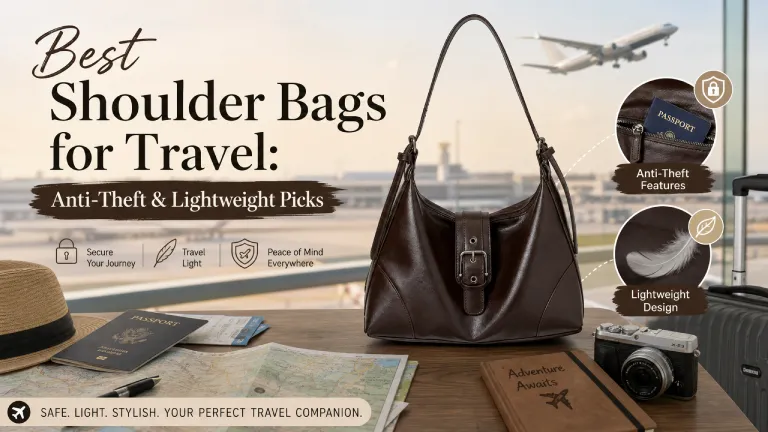
Traveling changes what you need from a bag. It’s no longer just about looking put-together for the day — it’s about security in unfamiliar places, comfort over hours of walking, and enough capacity for the essentials without the bulk of a full suitcase carry-on. Here’s what to actually look for in a travel-ready shoulder bag, and how to pack it smart.
What Makes a Bag “Travel-Friendly”?
Weight
An empty bag that already feels heavy will only get heavier once you’ve loaded it with a phone, wallet, water bottle, and a day’s worth of essentials. Lightweight materials matter more when you’re carrying a bag for a full day of sightseeing rather than a short commute.
Security Features
Crowded tourist areas and public transit are prime spots for pickpocketing, which makes security-conscious design genuinely useful while traveling — not just a marketing feature.
Capacity vs. Comfort
There’s a balance to strike: enough room for a day’s essentials, but not so much bag that it becomes a burden to carry for hours. Overpacking a shoulder bag on a travel day is one of the fastest ways to end up with shoulder and neck strain.
Material Matters More While Traveling
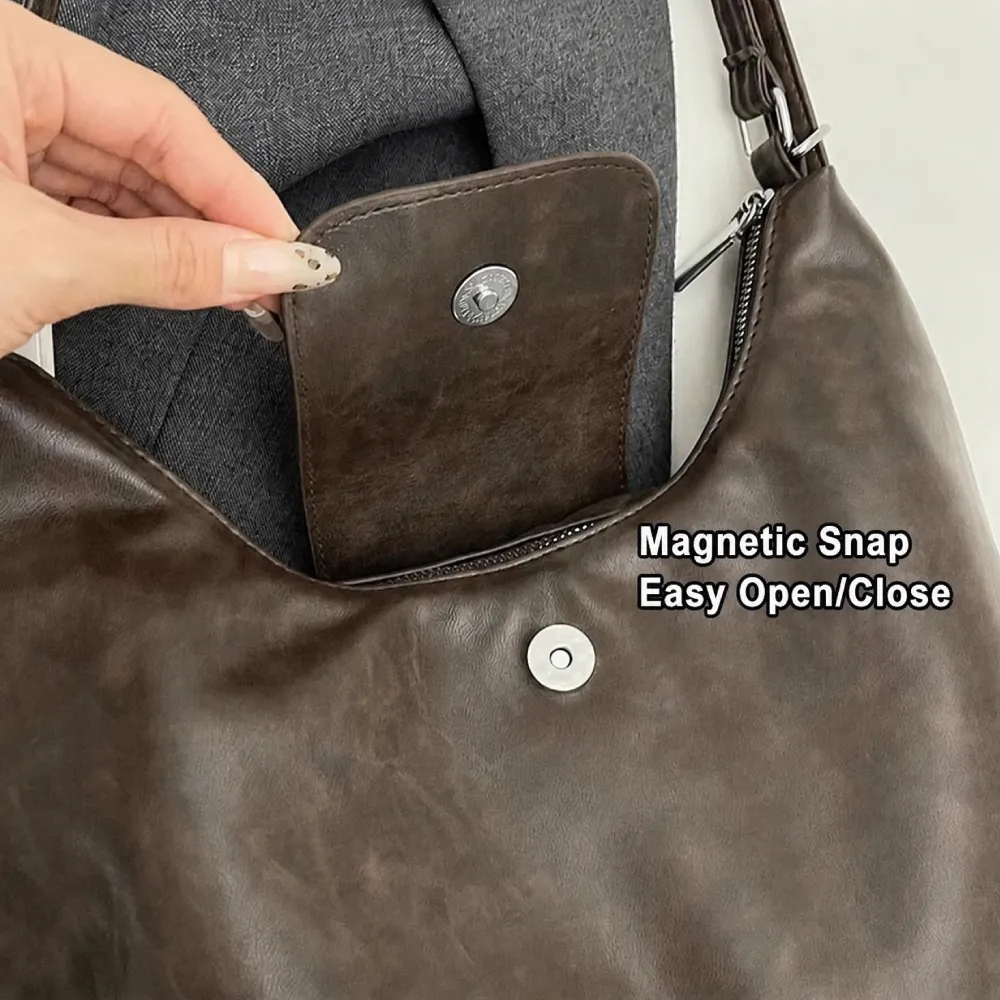
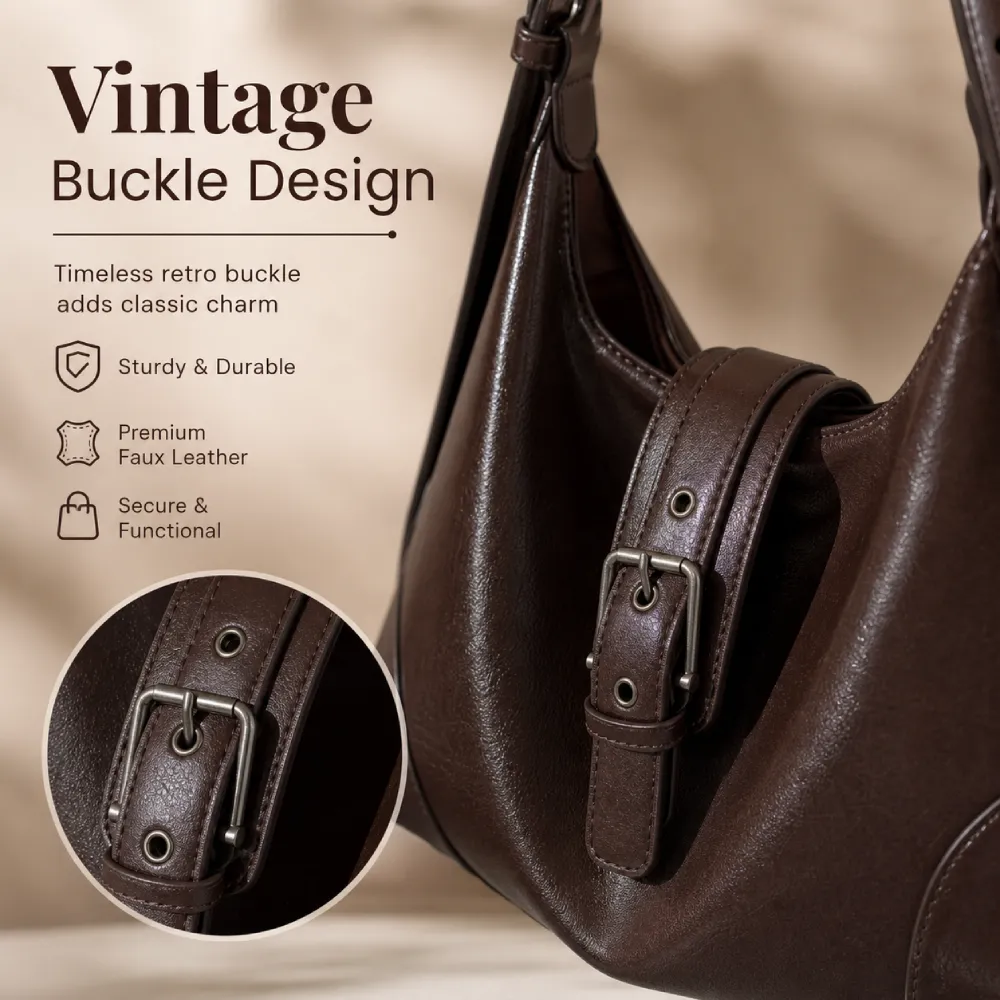
Materials that hold up fine for a daily commute get tested harder while traveling — think sudden rain, dusty streets, or being set down on a train platform. Water-resistant PU leather is a practical choice for travel specifically because it shrugs off light rain and wipes clean easily, without the conditioning routine genuine leather needs to stay in good shape on the road. For more on how the two materials compare, our guide on Genuine Leather vs PU Leather breaks down the practical differences in durability and care.
Anti-Theft Features to Look For
- Secure zipper closures rather than open-top or magnetic-snap designs, which are easier to access without you noticing
- Slash-resistant straps or panels, which add a layer of protection in crowded areas
- Front-worn or crossbody styles, which are harder to access than a bag worn on the back or a single shoulder
- RFID-blocking pockets, useful for protecting passports and cards from contactless skimming
- Locking zipper pulls, small clip-together tabs that add a second layer of difficulty for anyone trying to open your bag without you noticing
- Bags with the strap sewn into the body, rather than attached with easily-cut clips, which makes strap-slashing theft much harder
Official travel safety guidance, including recommendations published by the U.S. Transportation Security Administration, consistently advises keeping valuables in secure, zippered compartments and staying aware of your bag in crowded transit areas — habits that a well-designed anti-theft bag makes easier to maintain without constant effort.
Packing Smart: What to Bring in a Travel Shoulder Bag
- Passport and travel documents (ideally in an RFID-blocking pocket)
- Phone, charger, and a portable battery
- A copy of your itinerary or hotel confirmation
- A light layer or scarf for temperature changes
- Snacks and a reusable water bottle
- A small first-aid kit or any medication you need during the day
- A spare tote or foldable bag, useful for souvenirs or an extra layer picked up along the way
- A portable luggage lock, if your bag doubles as your carry-on personal item
A Simple Packing Order That Keeps Things Secure
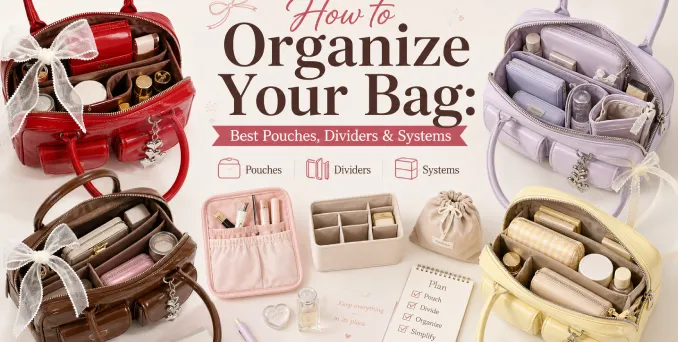
How you pack matters almost as much as what you pack. A good rule of thumb: valuables (passport, cards, cash) go in the innermost or most secure zippered pocket, closest to your body. Frequently accessed items (phone, transit cards) go in a quick-access outer pocket so you’re not opening your whole bag in public. Bulkier items (a light jacket, water bottle) go in the main compartment, since they’re less appealing targets and don’t need to be reached quickly.
Shoulder Bag vs. Backpack for Travel
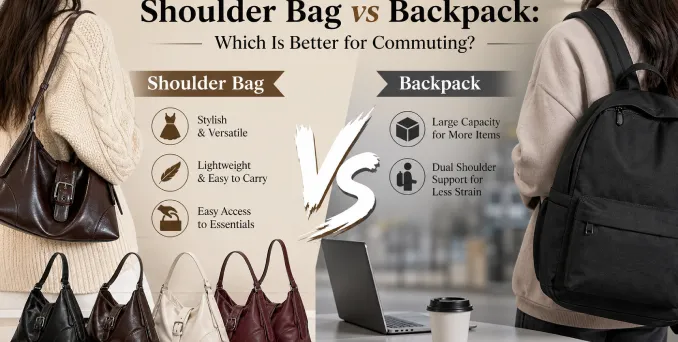
Both have their place, but they solve different problems. A shoulder bag is easier to swing to your front in crowded spaces for quick, secure access, and generally looks more put-together for city sightseeing or a nice dinner. A backpack distributes weight more evenly for long walking days but is harder to monitor and access on the go. For a fuller breakdown of how shoulder bags compare to other carrying styles, see our guide on Crossbody vs Shoulder Bag vs Tote.
Choosing a Travel Bag for Your Specific Trip
A weekend city trip with lots of walking calls for a lightweight, secure crossbody-style shoulder bag with minimal bulk. A business trip that mixes meetings and sightseeing benefits from a slightly more structured shoulder bag that can hold a tablet or documents while still looking polished. And a beach or resort trip usually calls for something more relaxed and water-resistant, since security concerns are typically lower but exposure to sand, sun, and water is higher.
Our Picks for Travel-Ready Shoulder Bags
If you’re shopping for a travel companion, look for our lightweight, secure-closure styles built specifically for full days on the move — browse our travel-friendly shoulder bag collection to find one that fits your itinerary.
FAQ
What’s the difference between an anti-theft bag and a regular shoulder bag? Anti-theft bags typically include features like slash-resistant materials, lockable or hidden zippers, and RFID-blocking pockets — details designed specifically to make unauthorized access more difficult in crowded or unfamiliar environments.
How big should a travel shoulder bag be? Enough to comfortably hold a day’s essentials — documents, phone, a light layer, and snacks — without becoming bulky. A bag that’s too large often ends up half-empty and unnecessarily heavy.
Can a shoulder bag work as a personal item for flights? Many shoulder bags fit within standard personal item size limits, but requirements vary by airline, so it’s worth checking dimensions before you fly.
Should I bring a genuine leather or PU leather bag while traveling? PU leather is usually the more practical travel choice — it’s more water-resistant, easier to wipe clean after a long day, and doesn’t require the conditioning routine that keeps genuine leather in good shape.