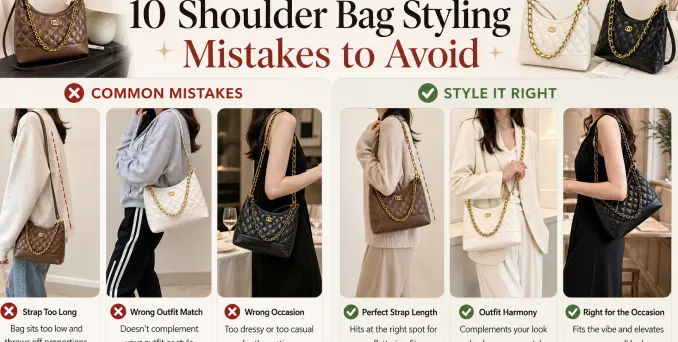
A great shoulder bag can elevate an outfit — or quietly undercut it, if a few small details are off. Most styling mistakes with shoulder bags aren’t about the bag itself; they’re about fit, proportion, and a handful of habits that are easy to fix once you know to look for them. Here are ten of the most common ones, along with exactly how to correct each one.
1. Wearing the Strap Too Long
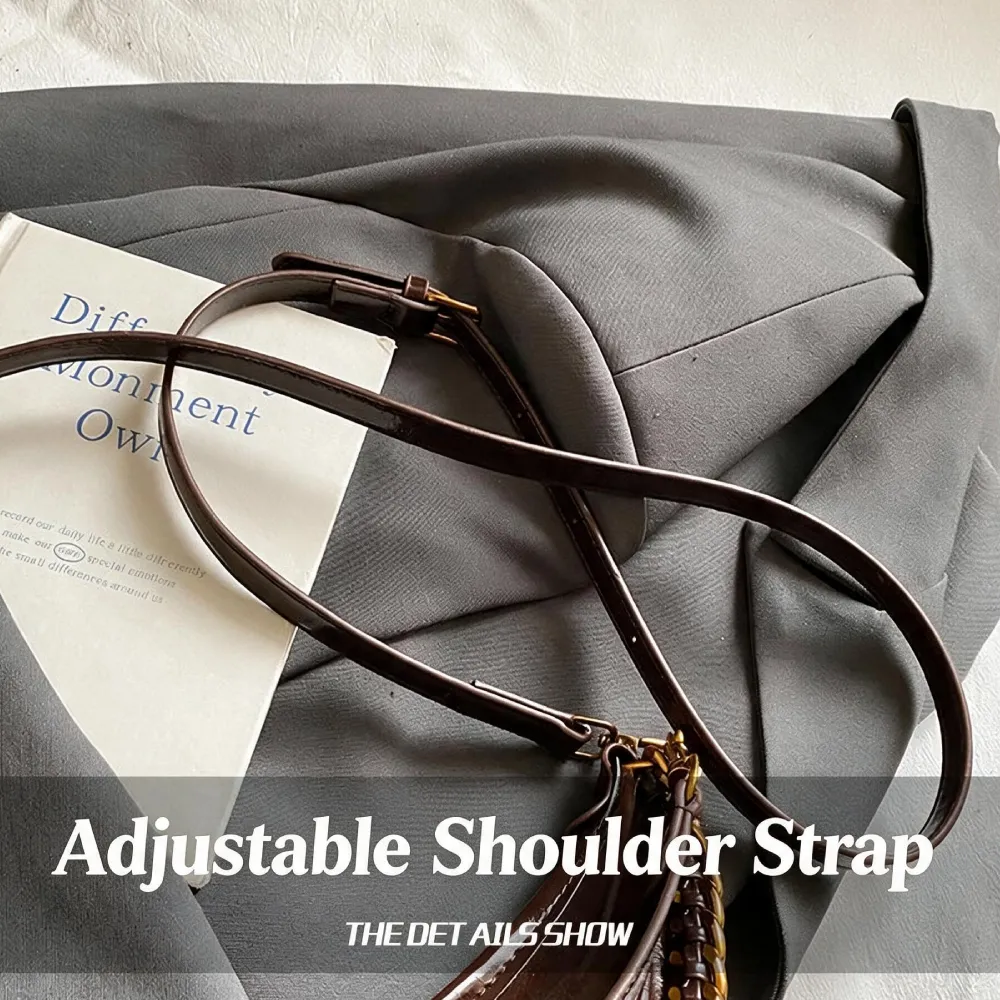
If the shoulder strap is too long, the bag will hang too low—near your hips or even your thighs. This not only ruins your silhouette but also makes you feel more uncomfortable. In severe cases, it can cause one shoulder to sit higher than the other and make the bag swing more violently as you walk. Aside from looking awkward, a low-hanging, swinging bag is more likely to bump into door frames, chairs, and other people in crowded places. The optimal position for most crossbody bags is to hang them under your arm, close to your natural waistline. If your bag has an adjustable strap, take a minute to adjust it to your height. While wearing it, try switching which side you carry it on—don’t keep it on just one side all the time. This way, both shoulders can bear the weight equally, and you should avoid sticking with the factory default setting.
2. Ignoring Proportion to Your Frame
A bag that’s too large or too small relative to your frame competes with your silhouette instead of complementing it. An oversized bag on a petite frame can visually swallow the body, while a tiny bag on a taller frame can look disproportionately dainty, almost like an accessory rather than a functional piece. Petite frames generally look most balanced with smaller, more compact bags, while taller frames have more flexibility to carry larger silhouettes without it reading as too much. Our guide on Shoulder Bag Sizes Explained covers how to think through sizing beyond capacity alone.
3. Overloading the Bag
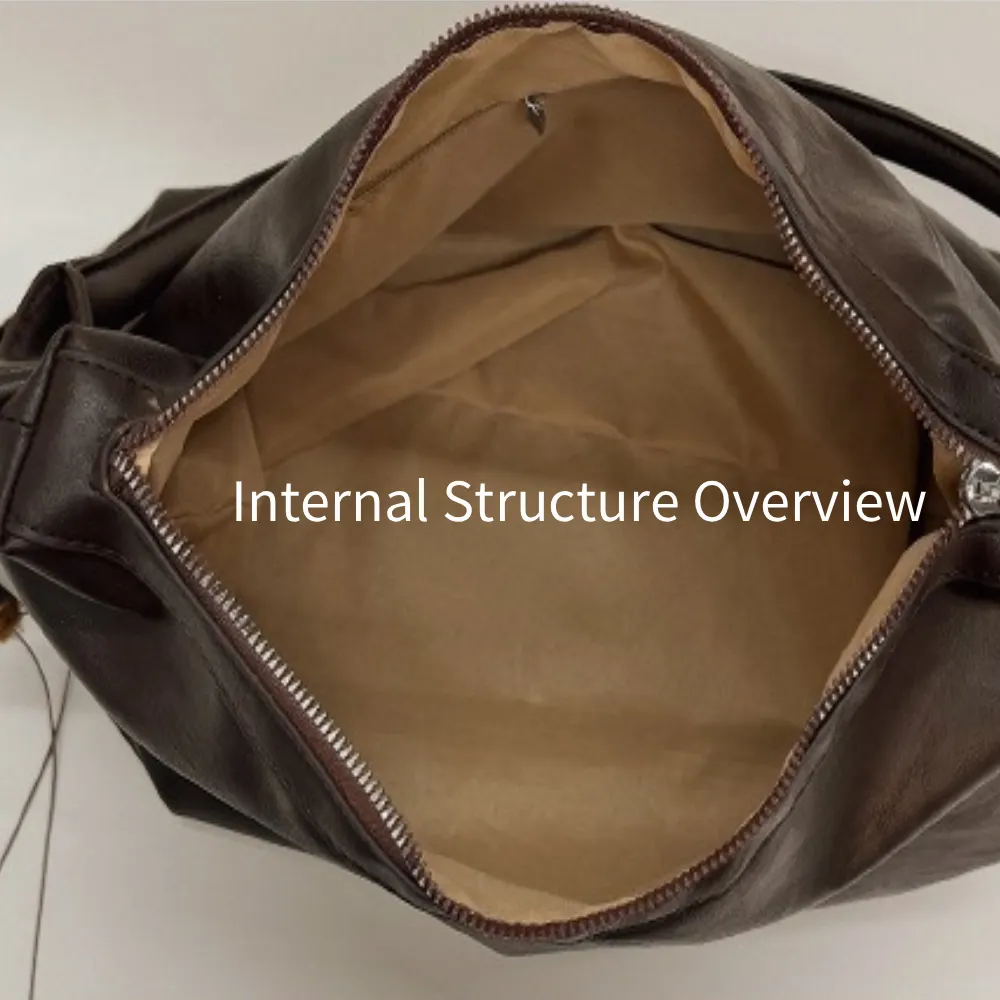
Although some shoulder bags have quite a large capacity, for everyday use, it’s best to carry only everyday essentials—such as keys and a small pack of tissues—because overfilling the bag far beyond its intended capacity can cause it to lose its shape, putting excessive strain on the seams and shoulder strap attachments, and even making a well-crafted bag look saggy and misshapen. This is also one of the common causes of premature zipper damage, as a bag packed to the brim exerts constant tension on the zipper every time it’s opened or closed. If you have to force the zipper closed or snap the clasp shut, this is a sign that you should lighten the load or switch to a larger bag, rather than continuing to cram it full every day. Moreover, shoulder bags are designed primarily for work. If you carry a lot of heavy items, it’s recommended that you switch to a backpack or other type of bag. Therefore, remember this principle: shoulder bag for work is the best, only.
4. Mismatching Formality
A heavily casual, sporty bag can undercut an otherwise polished outfit, just as an overly formal structured bag can look out of place with relaxed weekend wear. This mismatch is subtle but noticeable — personal stylists interviewed by Gathered point to wearing overly formal pieces in casual settings as one of the more common styling missteps, noting it can create a sense of disconnect and make an otherwise good outfit read as older or overly serious rather than simply put-together. Matching the bag’s finish and structure to the occasion matters more than people tend to think, and it’s often the easiest fix on this entire list once you’re aware of it.
5. Defaulting to One Bag for Every Occasion
Using the same bag for the office, weekend errands, and evening plans often means it’s doing a mediocre job at all three rather than a great job at one. It also accelerates wear, since a single bag absorbs the daily stress that would otherwise be spread across a small rotation. Our guide on Must-Have Handbags covers how a small, purpose-built rotation solves this without requiring a huge collection or a large budget.
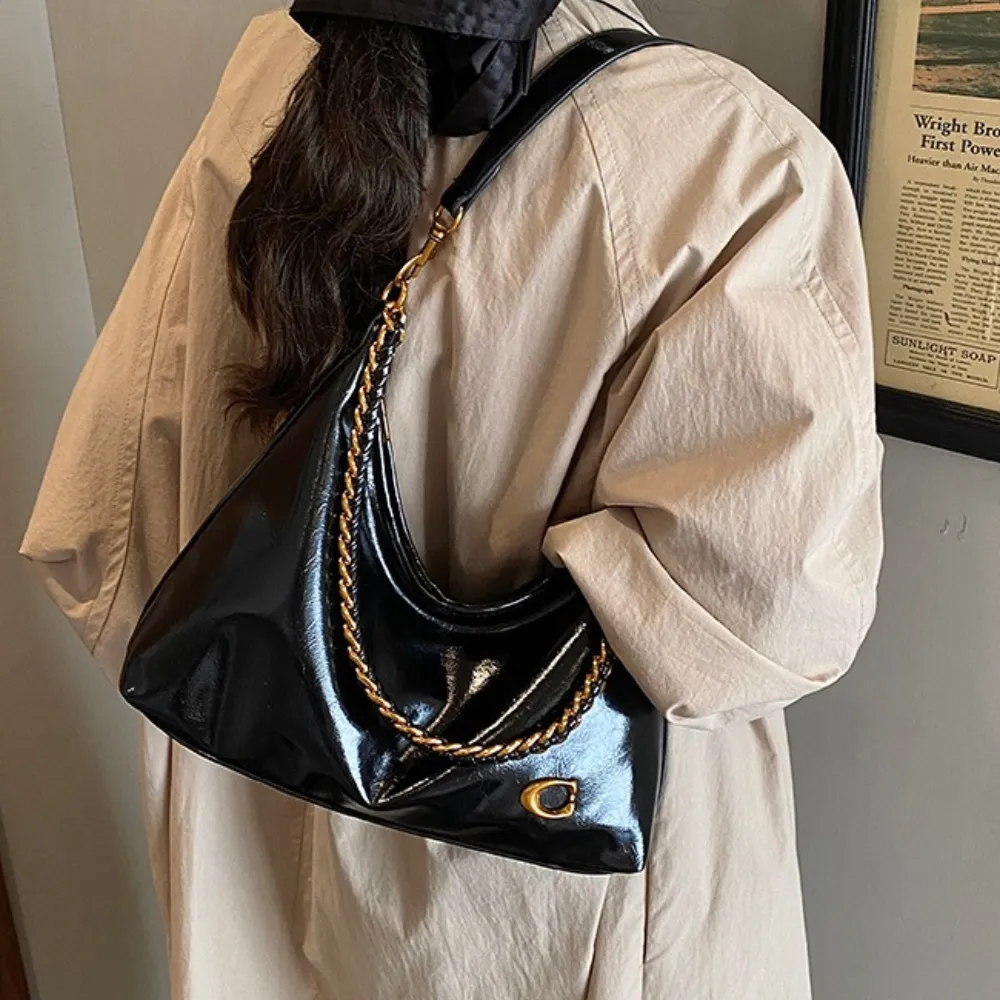
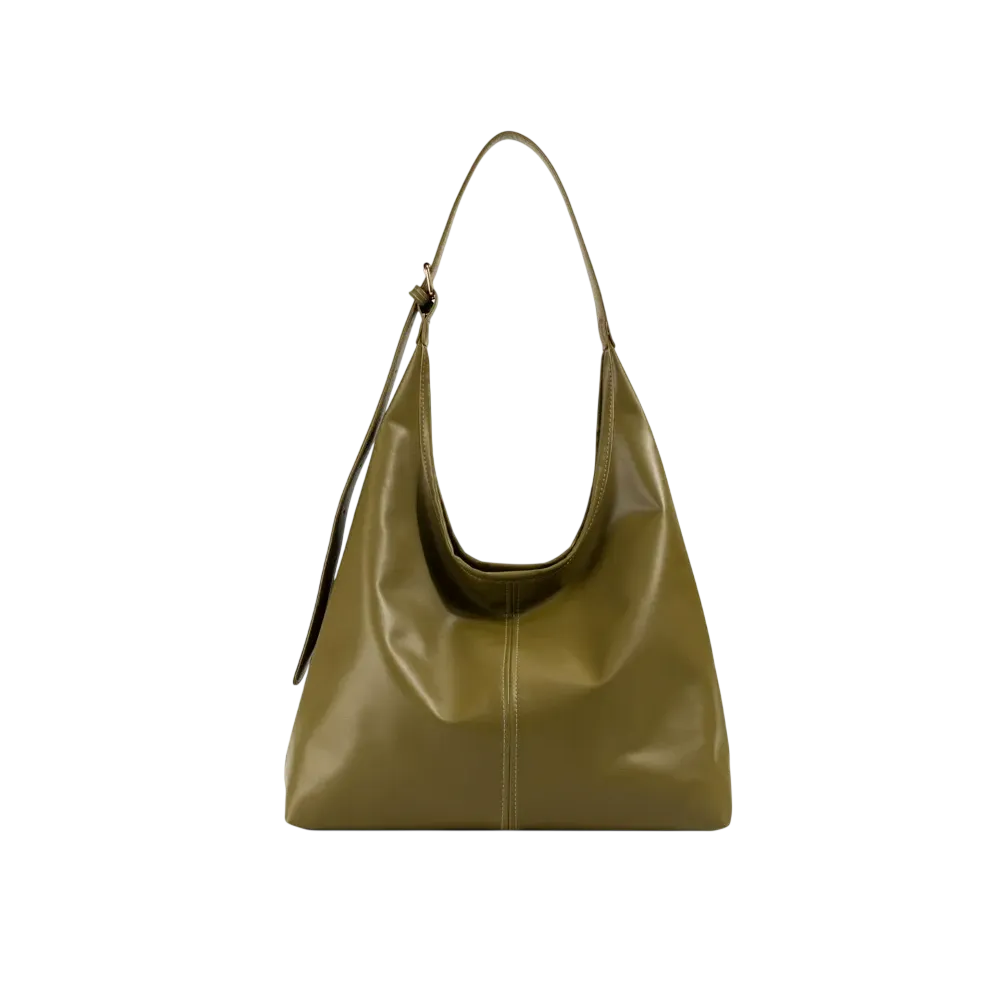
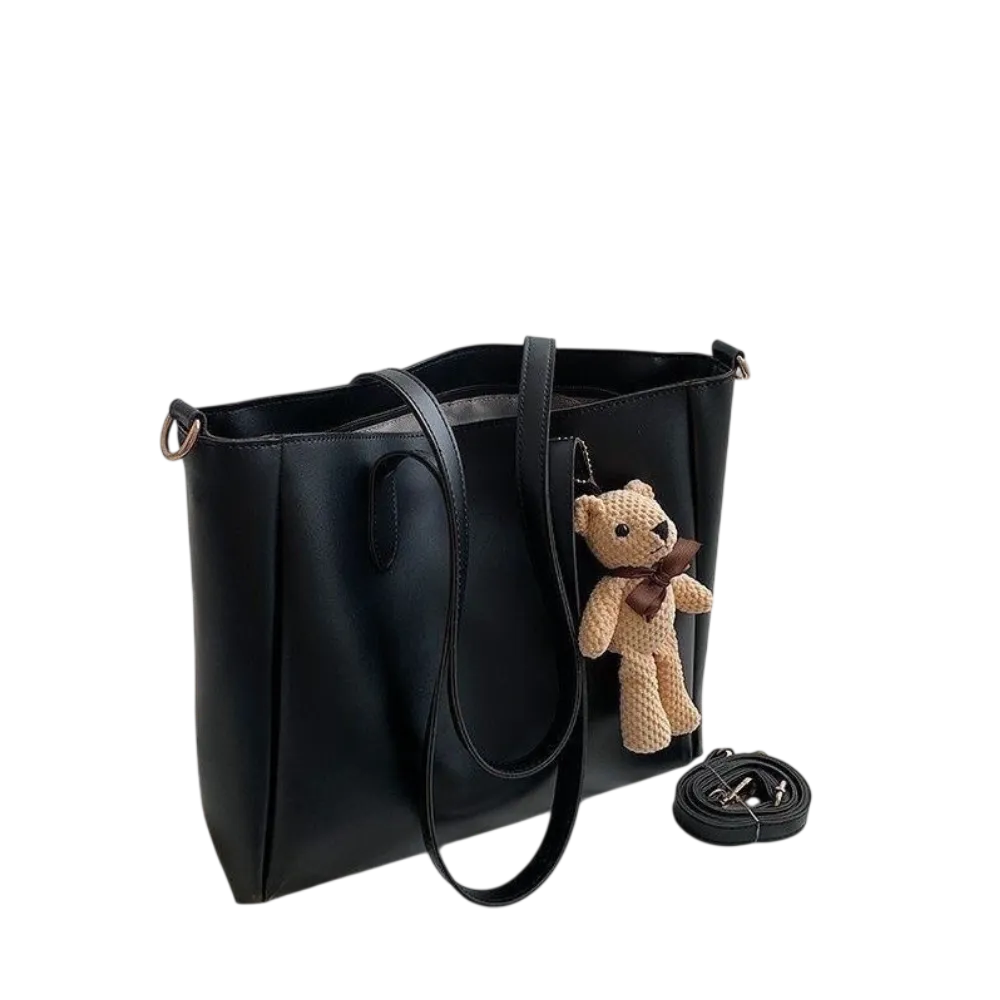
Crodar Casual PU Leather Shoulder Bag
Crodar Casual PU Leather Shoulder Bag with an adjustable strap, comfortable handle, spacious interior, secure zipper, and elegant gold-tone hardware.
6. Overlooking Hardware Contrast
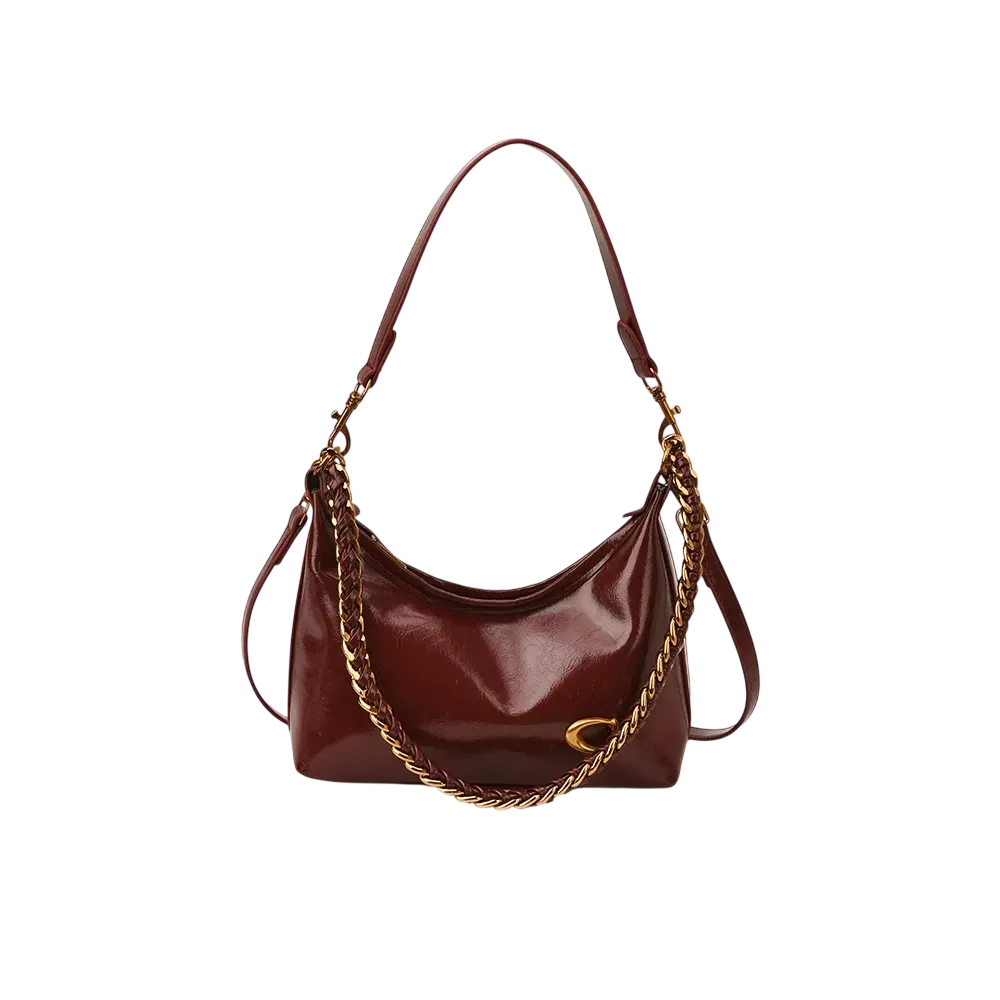
Mixing warm-toned gold hardware with cool-toned silver jewelry (or vice versa) can look slightly mismatched up close, even if neither piece is wrong on its own. It’s a small detail, but coordinating hardware tone with your other accessories — watch, jewelry, belt buckle — pulls a look together noticeably more than most people expect from something this minor.
7. Choosing Color Without Considering Your Existing Wardrobe
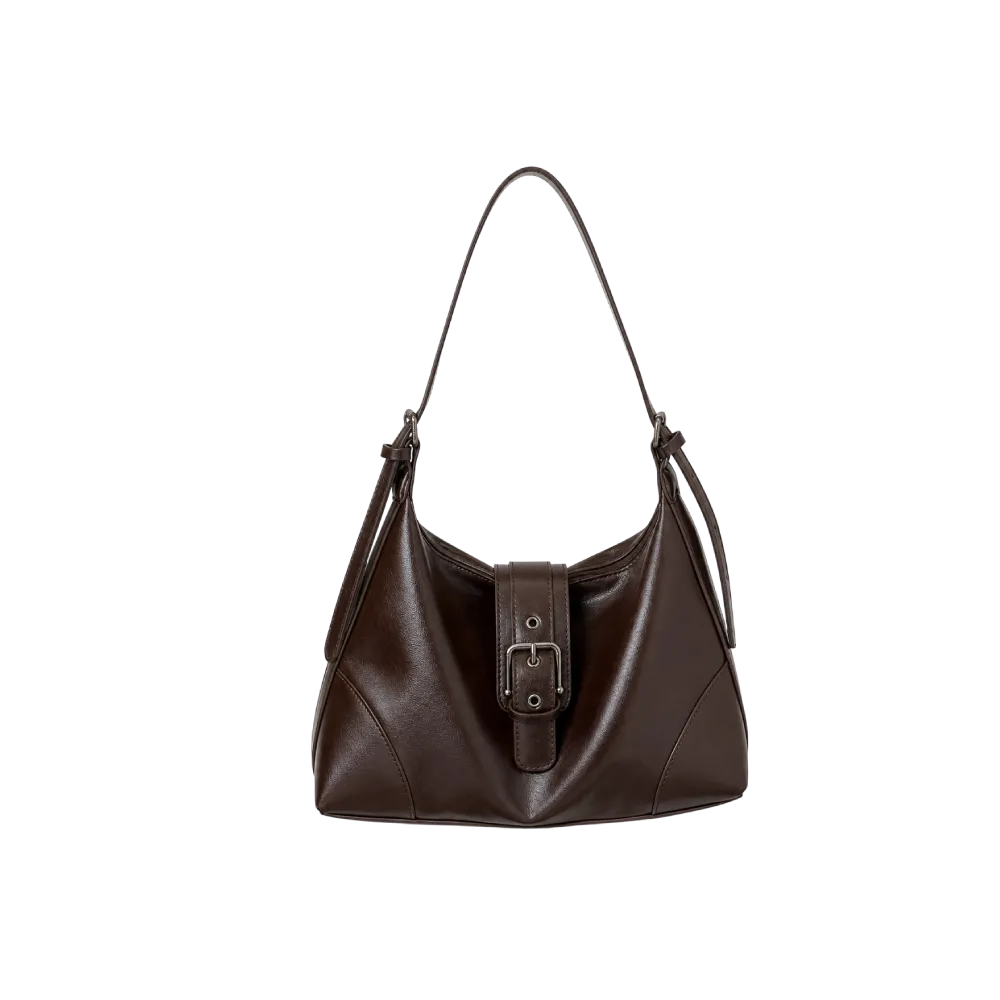
A trendy color that doesn’t pair with anything else you own ends up unused far more often than expected, no matter how much you liked it in the store. Building around versatile neutrals first — see our guides on Black Shoulder Bag and Brown PU Leather Shoulder Bag — means any bold color you add later actually gets worn regularly, rather than sitting in the closet as an occasional impulse purchase.
8. Letting the Bag Look Neglected
Visible scuffs, a stretched-out strap, or a bag that’s clearly overdue for cleaning undercuts an otherwise put-together outfit fast — often faster than people realize, since a worn bag draws the eye in a way a worn shoe or slightly wrinkled shirt doesn’t. Basic maintenance — covered in our guide on How to Clean and Care for a Leather Shoulder Bag — keeps a bag from becoming the detail that drags a look down, and takes far less time than most people assume.
9. Wearing a Bag That Clashes With Your Coat in Winter
A shoulder bag strap that isn’t adjusted for a bulky winter coat can sit awkwardly high or dig in uncomfortably, and the bag itself can end up sitting at an odd angle against the extra bulk. Lengthening the strap slightly to accommodate extra layers, rather than forcing the same fit you use in summer, keeps the bag sitting naturally through colder months. A slightly larger bag also tends to sit better over a heavy coat than a mini, which can look and feel disproportionately small against bulky outerwear.
10. Assuming a “Safe” Color Means No Styling Thought Required
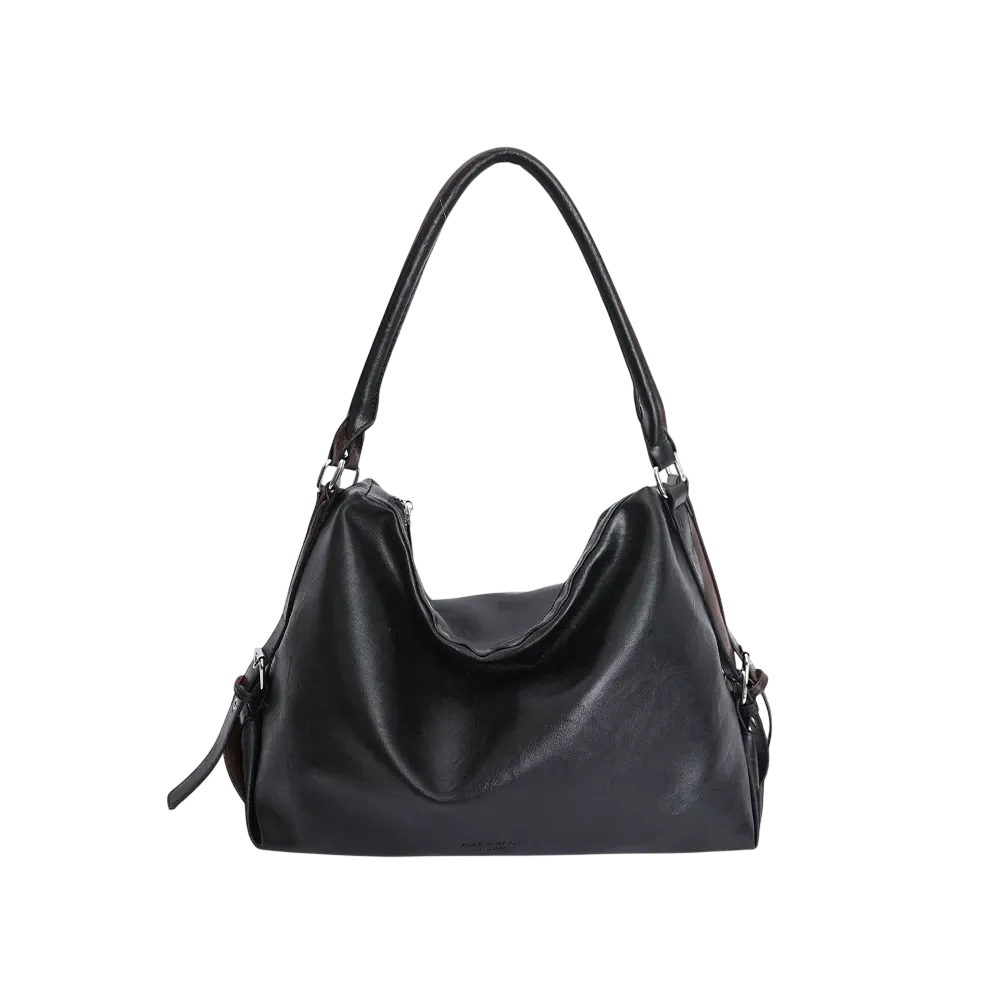
Black and brown are versatile, but they’re not foolproof. Texture, hardware finish, and shape still need to suit the occasion — a casual, slouchy black bag with a tailored suit will still look mismatched, even though the color itself is technically “safe.” Treating a neutral color as a substitute for actual styling thought is one of the more common ways an otherwise “safe” choice ends up looking slightly off anyway.
Bonus: Forgetting the Bag Is Part of the Outfit, Not an Add-On
It’s worth calling out as its own point: many of the mistakes above stem from choosing an outfit first and grabbing a bag as an afterthought on the way out the door. Fashion styling analysis from Livin Mille makes a related point about styling more broadly: the most common challenge isn’t a lack of options, it’s a lack of cohesion between pieces — and proportion is identified as the first principle that governs whether an outfit actually works. Bags carry visual weight in a silhouette the same way a jacket or a pair of shoes does — treating the choice with the same intention you’d give any other piece of the outfit prevents most of the mismatches on this list before they happen.
The Common Thread
Most of these mistakes come down to the same underlying issue: treating the bag as an afterthought rather than a genuine part of the outfit. A few extra seconds adjusting a strap, or a moment’s thought about whether a bag’s formality matches the rest of the look, closes the gap between “fine” and “intentional” more than any single expensive purchase would. For more on getting fit and pairing right across specific occasions, our guide on How to Style a Shoulder Bag for Different Outfits & Occasions covers the fundamentals in more depth.
FAQ
What’s the most common shoulder bag styling mistake? Wearing the strap too long is one of the most frequent issues — it throws off proportion and causes the bag to swing more than necessary. Adjusting the strap to sit just under the arm, near the natural waist, fixes this immediately.
Can a black or neutral bag still look mismatched? Yes — while black and brown are versatile base colors, texture, hardware finish, and overall formality still need to suit the outfit and occasion. A “safe” color doesn’t eliminate the need for some styling consideration.
How do I fix a shoulder bag strap that doesn’t sit right with a winter coat? Lengthen the strap slightly to accommodate the extra bulk of winter layers, rather than keeping the same strap length you’d use with lighter clothing. This keeps the bag sitting naturally rather than riding up uncomfortably.
Does overloading a bag actually cause lasting damage? Yes — beyond looking misshapen, consistently overstuffing a bag puts ongoing strain on seams, strap attachments, and zippers, which can lead to premature wear or failure well before the bag would otherwise show its age.