A great shoulder bag isn’t just a fashion statement — it’s a daily companion that carries your essentials through commutes, errands, and everything in between. But even the best-made bag will show its age if it isn’t cared for properly. The good news? With a few consistent habits, you can keep your shoulder bag looking sharp for years, whether it’s crafted from genuine leather or high-quality PU leather.
In this guide, we’ll walk through daily care habits, step-by-step cleaning methods for both PU and genuine leather, and smart storage tips that protect your bag between uses. If you’re not sure which material your bag is made from, our Shoulder Bag Materials Guide: PU Leather, Canvas & More breaks down exactly what to look for — because different materials call for different care routines, and using the wrong method can do more harm than good.
Why Proper Care Matters for Your Shoulder Bag
Leather and leather-alternative materials age in response to their environment. Sunlight breaks down the surface finish over time, causing fading and cracking. Moisture — whether from rain, humidity, or a spilled drink — can warp the material or leave permanent stains if not addressed quickly. And friction from daily wear, like rubbing against clothing or being set down on rough surfaces, gradually wears down the outer layer.
None of this means you need to baby your bag. It just means a little routine maintenance goes a long way toward preserving both its appearance and its structural integrity.
Daily Care Habits That Extend Your Bag’s Life
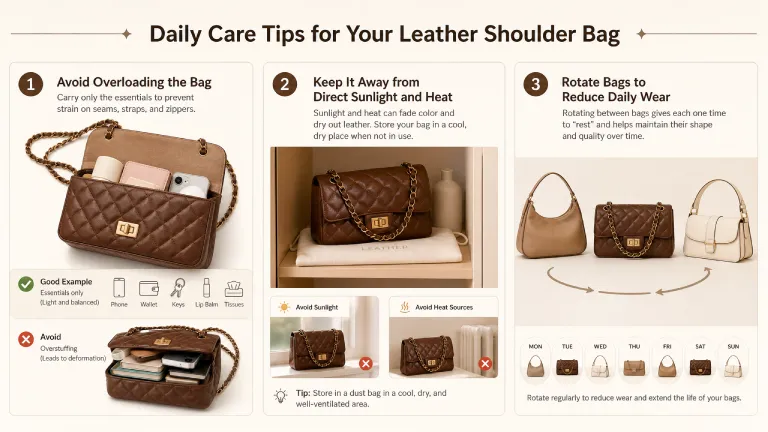
Avoid Overloading the Bag
It’s tempting to use your shoulder bag as a catch-all, but consistently overstuffing it puts strain on the seams, straps, and zippers. Over time, this can cause the bag to lose its shape or develop weak points where stitching starts to give way. As a rule of thumb, if you have to force the zipper closed, it’s time to lighten the load.
Keep It Away from Direct Sunlight and Heat
Prolonged exposure to sunlight is one of the fastest ways to fade color and dry out leather. Avoid leaving your bag on a car dashboard, near a window, or close to a heat source like a radiator. If you’re storing it for an extended period, choose a cool, dry, shaded spot.
Rotate Bags to Reduce Daily Wear
If you own more than one bag, rotating between them gives each one time to “rest” and reduces the cumulative wear that comes from daily use. This is especially helpful for structured bags, which can lose their shape faster under constant pressure.
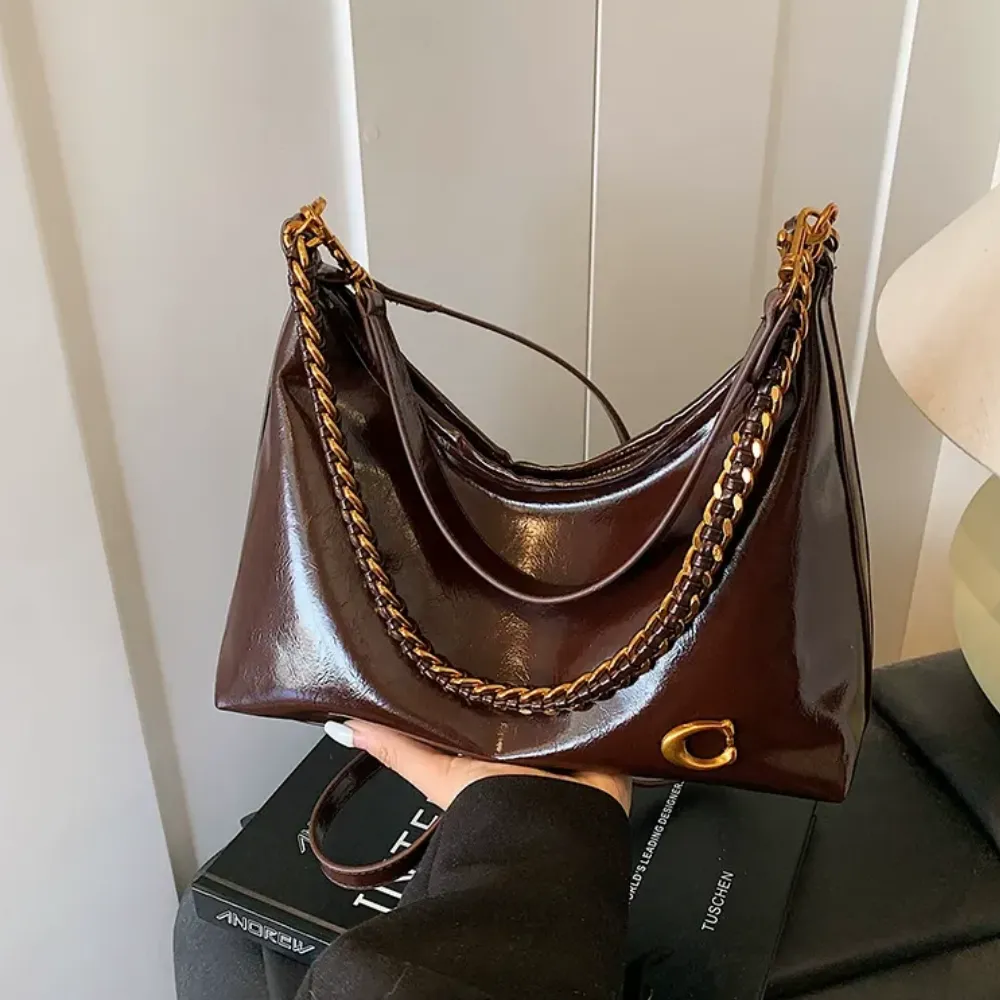
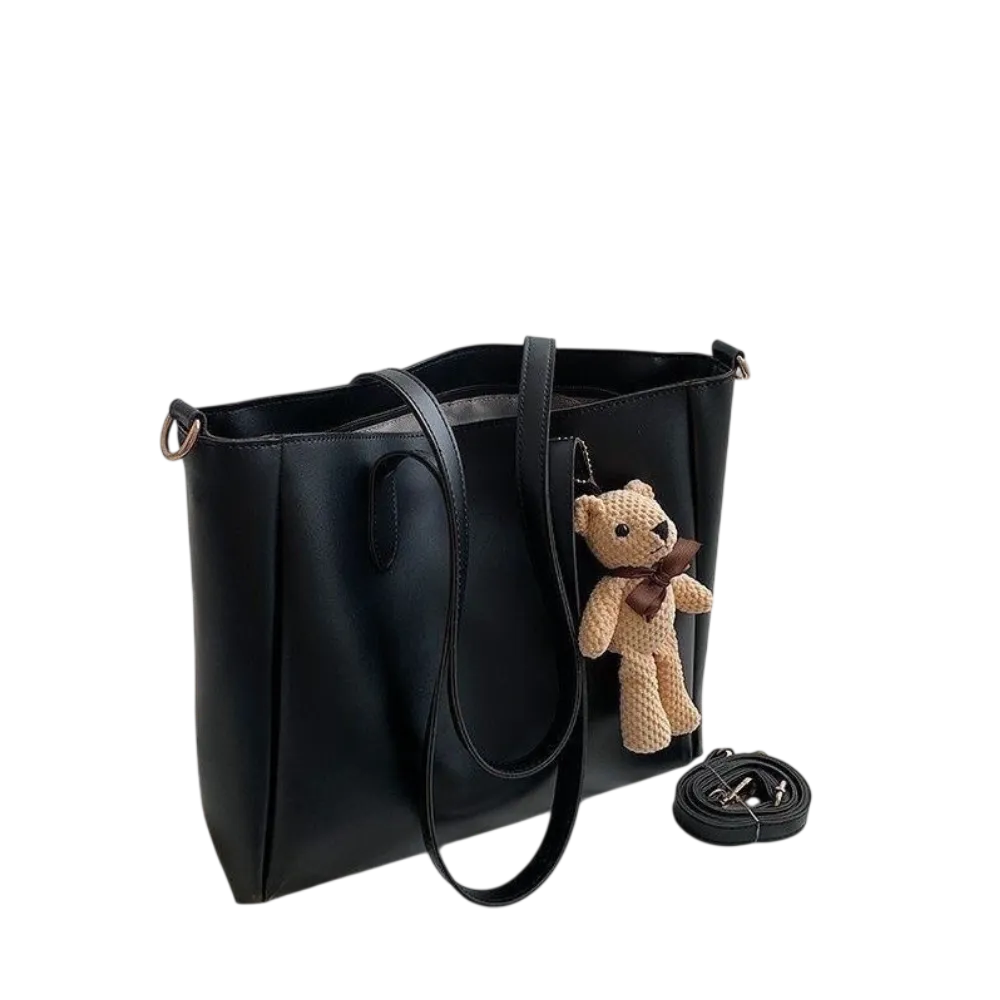
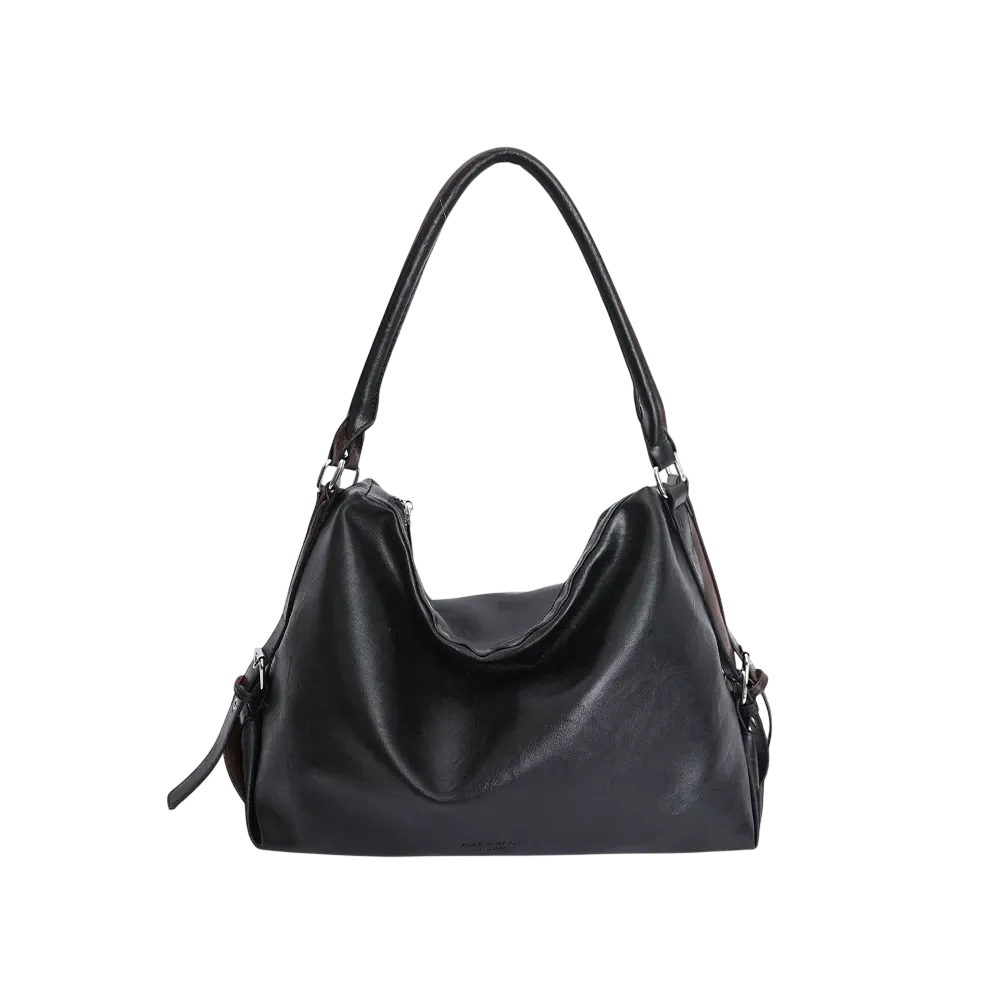
Crodar Casual Leather Shoulder Bag
Crodar Casual Leather Shoulder Bag with an adjustable strap, comfortable handle, spacious interior, secure zipper, and elegant gold-tone hardware.
How to Clean a PU Leather Shoulder Bag
PU (polyurethane) leather is prized for being low-maintenance, water-resistant, and easy to wipe clean — one of the reasons it’s such a practical choice for everyday commuting bags.
Step-by-step cleaning process:
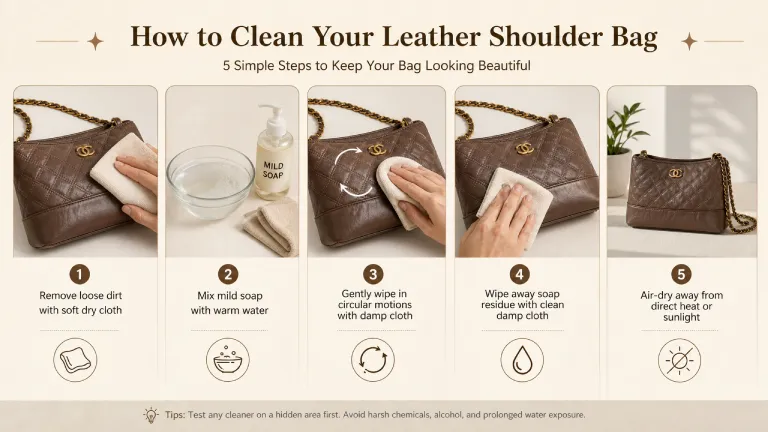
- Remove any loose dirt or dust with a soft, dry cloth.
- Mix a small amount of mild soap with warm water.
- Dampen a soft cloth (not soaking wet) and gently wipe the surface in circular motions.
- Wipe away soap residue with a clean, damp cloth.
- Air-dry away from direct heat or sunlight.
What to avoid:
- Harsh chemical cleaners, acetone, or nail polish remover — these can strip the surface coating.
- Machine washing or soaking the bag.
- Abrasive scrubbing, which can cause the surface layer to peel over time.
How to Clean a Genuine Leather Shoulder Bag
Genuine leather needs a bit more attention, primarily because it’s a natural material that benefits from conditioning, not just cleaning.
Conditioning leather:
After cleaning, apply a leather conditioner formulated for bags (avoid all-purpose furniture polishes) using a soft cloth in gentle, circular motions. This replenishes natural oils lost over time and helps prevent cracking. Most leather care guides — including standards referenced by organizations like the Leather Working Group — recommend conditioning every few months, depending on how often the bag is used and the climate it’s exposed to.
Dealing with stains and water spots:
- For fresh spills, blot immediately with a dry cloth — never rub, which can spread the stain.
- For water spots, let the bag air-dry naturally, then gently condition the affected area.
- For stubborn stains, use a leather-specific stain remover and always test on a hidden area first.
Proper Storage Tips
Using Dust Bags
Store your shoulder bag in a breathable dust bag rather than a plastic bag, which can trap moisture and cause mildew. Most quality bags — including our own — come with a dust bag for exactly this purpose.
Stuffing the Bag to Maintain Shape
When not in use, loosely stuff your bag with soft tissue paper or a clean cloth to help it hold its shape and prevent creasing. Avoid overstuffing, which can stretch the material.
Looking for a shoulder bag built with everyday durability in mind? Browse our shoulder bag collection to find styles designed to hold up to daily commuting while staying easy to care for.
FAQ
Do PU leather and genuine leather shoulder bags need the same care?
No. PU leather is more water-resistant and can generally be wiped clean with a damp cloth, while genuine leather needs occasional conditioning to stay supple and prevent cracking.
How should I store my bag when I’m not using it?
Keep it in a breathable dust bag, away from direct sunlight and humidity, and lightly stuffed to help it hold its shape.
How do I deal with water stains or oil marks?
Blot — don’t rub — the area immediately with a dry cloth. For oil stains, a small amount of cornstarch can help absorb the oil before gentle cleaning. For water spots, let the bag air-dry before conditioning.
How often should I deep-clean or condition my bag?
For genuine leather, conditioning every 2–3 months is a good baseline, more often in dry climates. PU leather generally just needs a wipe-down as needed — there’s no strict schedule.
Can I use baby wipes or disinfecting wipes to clean my bag?
It’s best to avoid wipes containing alcohol or strong fragrances, as they can dry out or discolor the material. Stick to a mild soap-and-water solution for both PU and genuine leather.