
Maybe you have read what is a crossbody bag. A crossbody bag is one of the most forgiving accessories to style — but a few small adjustments in how you wear it can make the difference between looking put-together and looking like the bag is wearing you. Here’s how to get the fit right, style it across different occasions, and understand how it differs from its close cousin, the sling bag.
The Basics: Strap Length & Positioning
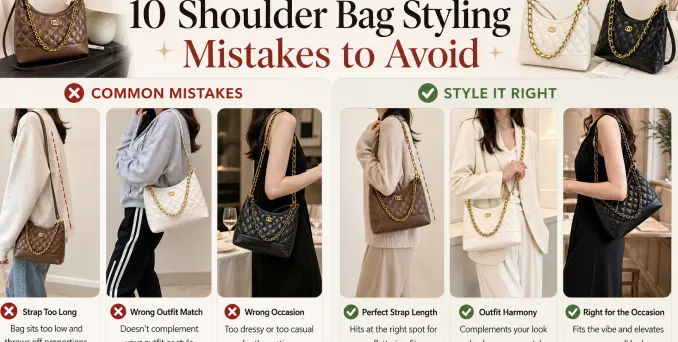
The single biggest factor in how a crossbody bag looks and feels is strap length. Worn too long, the bag sits low near the hip or thigh and can feel like it’s swinging with every step. Worn too short, it rides up near the ribs and looks cramped. The sweet spot for most people is having the bag sit right at or just below the hip bone — close enough to stay secure, low enough to move naturally with your body.
If your bag has an adjustable strap, take the extra minute to fit it to your height and torso length rather than leaving it at the default setting. It’s a small adjustment that changes the entire silhouette.
Body proportion plays a role too. Petite frames often look best with the bag sitting slightly higher, closer to the natural waist, since a strap sized for an average torso can end up sitting too low. Taller frames generally have more flexibility, since a wider range of strap lengths will still land at a flattering hip position.
Choosing the Right Crossbody Bag Shape for Your Body Type
Beyond strap length, the bag’s overall shape can change how it sits and reads visually against different body types.
- Rounder, saddle-shaped bags tend to soften angular frames and add a bit of visual curve to straighter silhouettes.
- Structured, boxy bags add definition and work particularly well on curvier frames, where a more rigid shape avoids getting lost against soft fabric.
- Slim, flat pouch-style bags suit smaller frames well, since a bulkier bag can visually overwhelm a petite build.
None of this is a hard rule — personal style matters more than any formula — but it’s a useful starting point if you’re unsure why a particular bag “isn’t quite working” despite otherwise liking it.
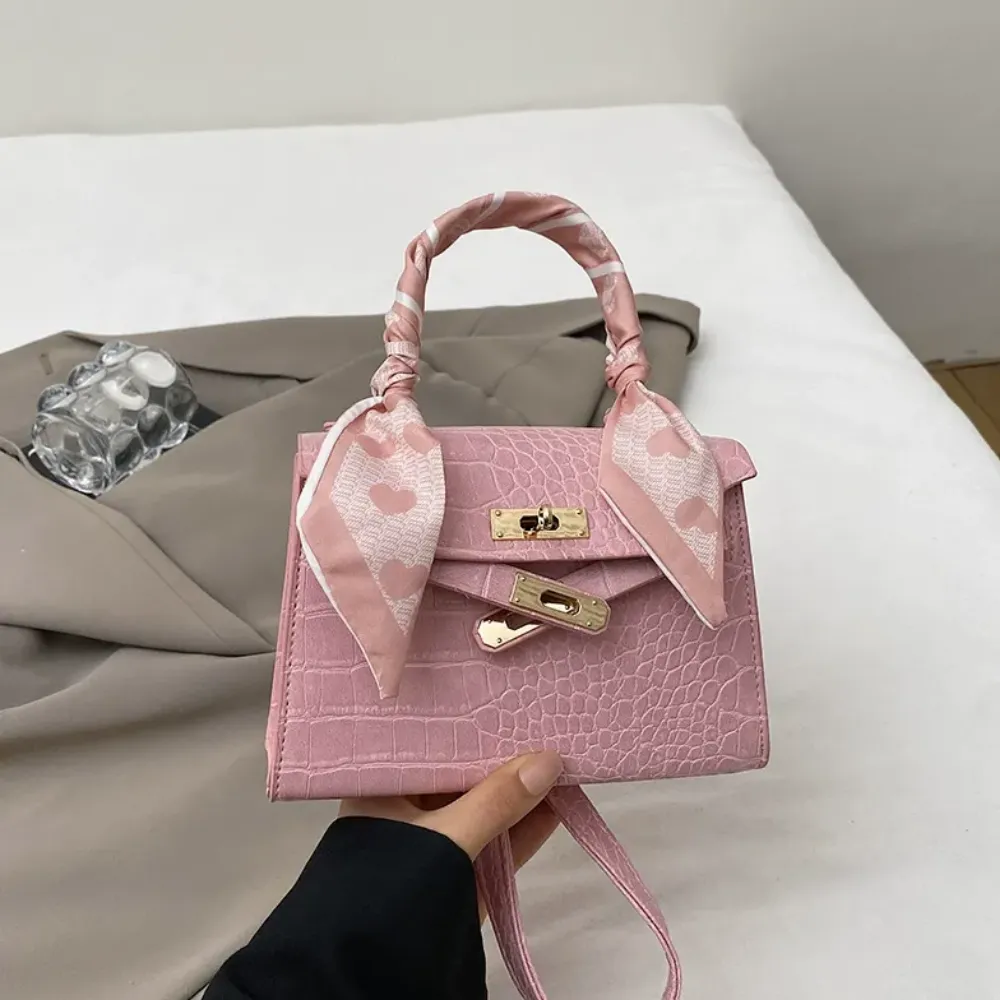
Crodar Crossbody Bags with Scarf
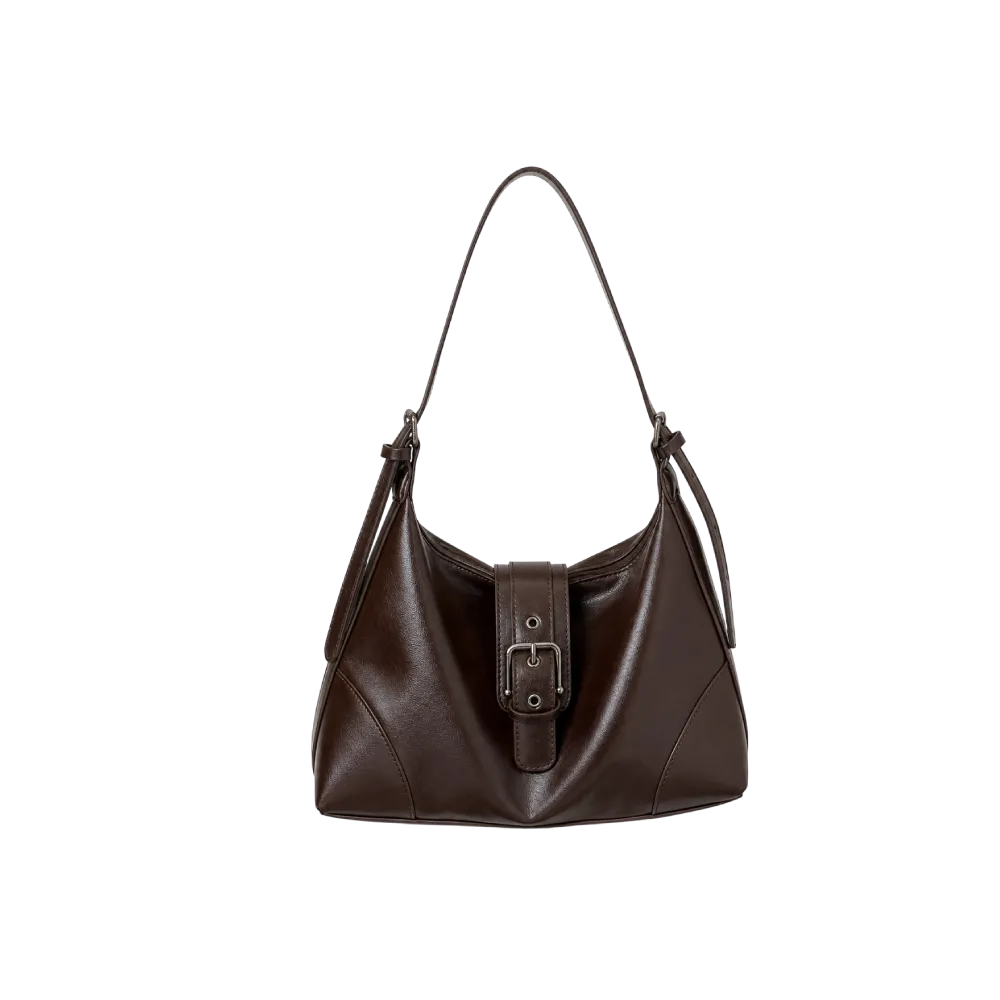
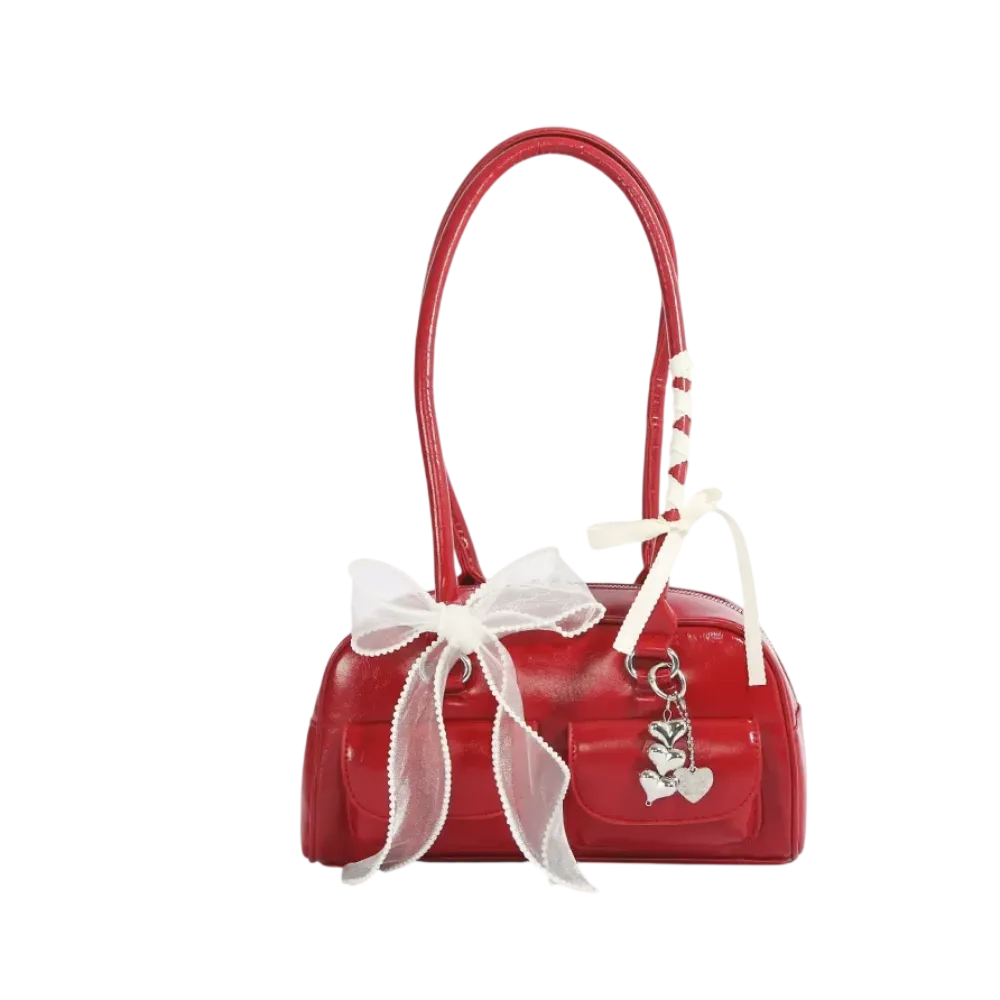
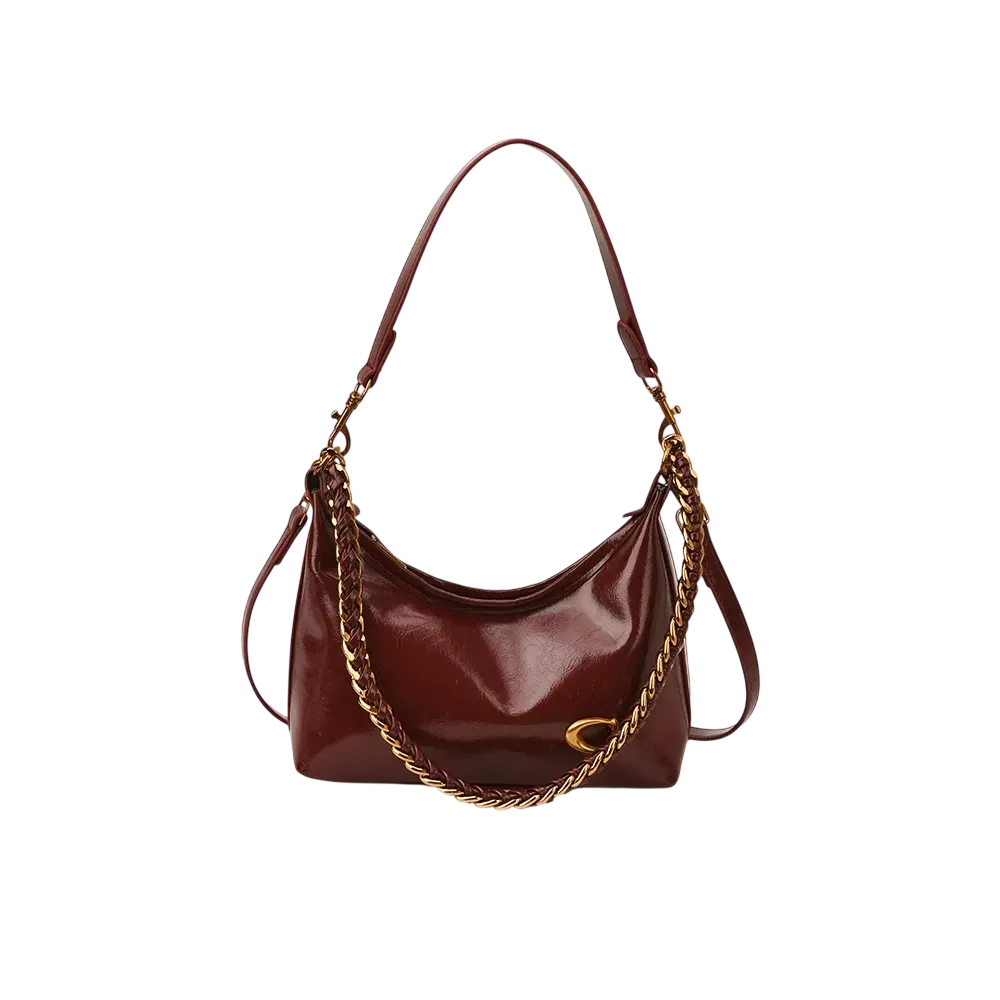
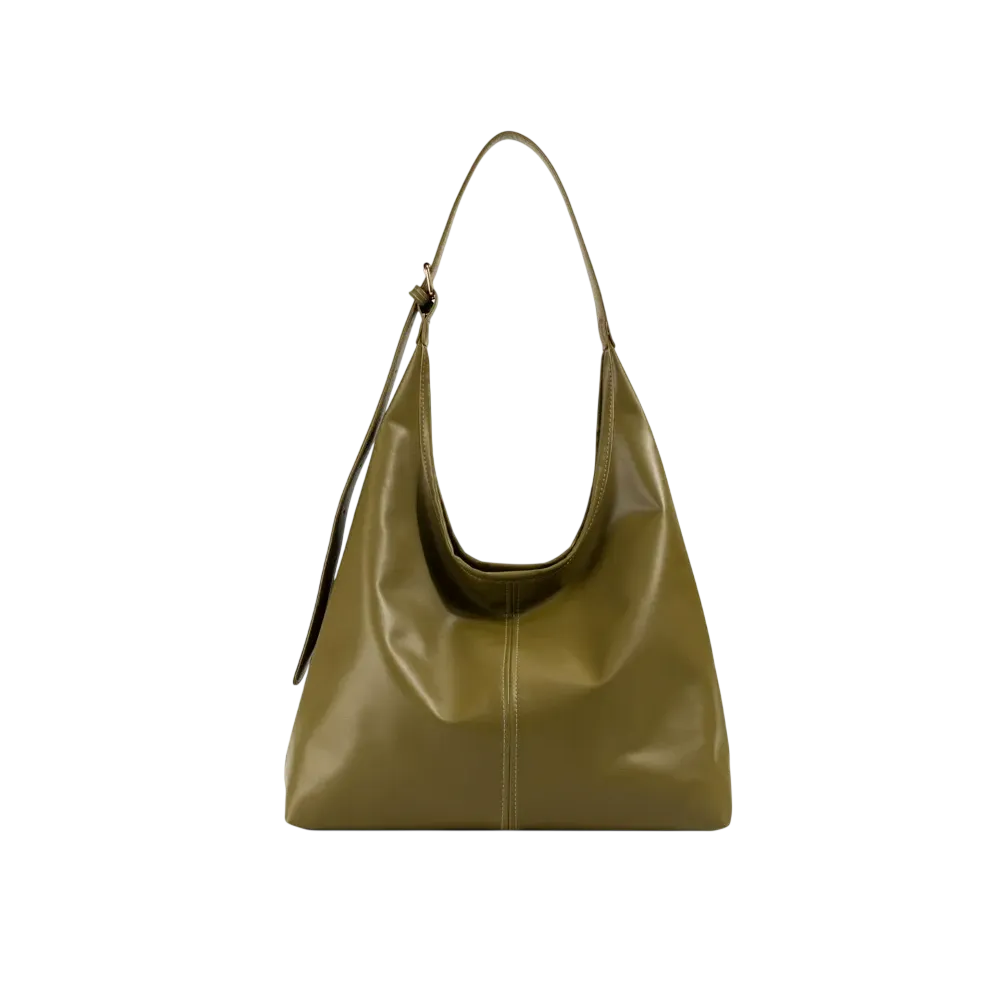
Crodar PU Leather Crossbody Bag features a structured mini silhouette, decorative scarf, and versatile carrying options.
Styling a Crossbody Bag with Casual Outfits
For jeans-and-a-tee days, a crossbody bag works best when it contrasts slightly with the rest of the outfit — a structured leather bag against relaxed denim, for example, adds a bit of polish without overdressing. Neutral or black bags are the easiest match for casual rotations, while a bold color can double as the outfit’s focal point on an otherwise simple day.
Layering matters here too. In cooler months, a crossbody worn over a lightweight jacket keeps it accessible without digging under layers, while a bulkier coat generally calls for wearing the bag underneath to avoid an awkward, bunched-up look at the shoulder.

Styling a Crossbody Bag with Work / Business Casual
In more polished settings, a structured crossbody in leather or high-quality PU leather reads more professional than a soft, slouchy style. Sizing matters here too — a slightly larger crossbody that can hold a tablet or folder blurs the line between “bag” and “work bag” nicely, letting you skip carrying a separate tote for lighter days. For more on building out a full work-ready bag, our guide on Everyday Work Bag Essentials covers what’s actually worth packing.

Styling a Crossbody Bag for Evening & Going Out
For dinners, events, or a night out, a smaller, more polished crossbody tends to work better than the larger, function-first bags suited to daily errands. A sleek leather or PU leather mini crossbody in black or a bold accent color pairs well with both dresses and elevated separates, and skips the bulk that can throw off a more fitted evening look. Coverage from InStyle on evening accessory trends has consistently pointed to compact, structured crossbody styles as one of the more practical alternatives to a clutch — offering the same polished profile without needing a free hand to hold it all night.

Crossbody Bag vs Sling Bag: Is There a Styling Difference?
This is one of the more common points of confusion, and the answer is: yes, subtly. Sling bags are typically worn slightly higher on the body and often to one side rather than perfectly centered, giving them a more casual, athletic feel — they’re a popular choice for festivals, hikes, or errands where mobility matters most. Crossbody bags, by contrast, tend to sit centered at the hip and come in a wider range of finishes, from casual canvas to polished leather, making them more adaptable across dressier occasions.
If you’re deciding between the two for a specific use case: reach for a sling bag when you want maximum mobility and a sportier look, and a crossbody when you want something that can move between casual and slightly dressed-up occasions without looking out of place.
Seasonal Styling Notes
Spring/Summer: Lighter colors and textured PU leather or canvas crossbody bags pair naturally with warm-weather fabrics like linen and cotton. Smaller sizes also tend to suit summer outfits better, since bulkier bags can feel heavy against lighter clothing.
Fall/Winter: Richer tones — burgundy, forest green, deep brown — work well against heavier fall and winter fabrics. A slightly larger crossbody also makes more sense in colder months, when you’re often carrying gloves, a scarf, or extra layers alongside your usual essentials.
Pairing a Crossbody Bag with Shoes
It’s a small detail, but matching (or intentionally contrasting) your bag and shoe hardware or tone pulls an outfit together more than most people expect. A black crossbody with black shoes creates a clean, cohesive line, while a bag in a contrasting bold color can act as a deliberate pop against neutral shoes — either approach works, but pairing a bold bag with equally bold, unrelated shoe colors is where outfits tend to start looking uncoordinated rather than intentional.
Common Styling Mistakes to Avoid
- Wearing the strap too loose. Beyond looking sloppy, an overly long strap makes the bag swing and bounce, which is both annoying and a minor security risk in crowded spaces.
- Choosing a bag that clashes with your outfit’s formality. A heavily branded, casual crossbody can undercut an otherwise polished outfit — match the bag’s finish to the occasion.
- Overloading a small crossbody. These bags aren’t designed for heavy daily loads; stuffing one to capacity distorts its shape and puts strain on the strap attachment points.
- Ignoring hardware color. Small details like gold vs. silver hardware matter more than people expect — mismatched metals against jewelry or belt buckles can look accidental rather than intentional.
FAQ
Should a crossbody bag sit on your hip or higher? Most crossbody bags look and feel best sitting at or just below the hip bone. Sitting too high can look cramped, while sitting too low makes the bag swing more with movement.
Is it OK to wear a crossbody bag with a dress? Yes — a crossbody bag pairs well with dresses, particularly for daytime or casual events. For more formal occasions, a smaller, more structured crossbody in a polished material tends to look more intentional than a larger, casual style.
How do I stop my crossbody bag from bouncing while walking? Shorten the strap slightly so the bag sits snugly against your body rather than swinging loosely, and avoid overloading it — excess weight makes bouncing more noticeable with every step.
What bag shape works best for a petite frame? Slim, flat, or smaller structured bags tend to suit petite frames best, since oversized or bulky shapes can visually overwhelm a smaller build. Wearing the strap slightly higher, closer to the natural waist, also helps proportions look more balanced.
Should my crossbody bag match my shoes? It doesn’t need to match exactly, but coordinating tone or hardware — like pairing a black bag with black shoes — creates a cleaner, more intentional look. A bold-colored bag can also work well as a standalone accent against neutral shoes.