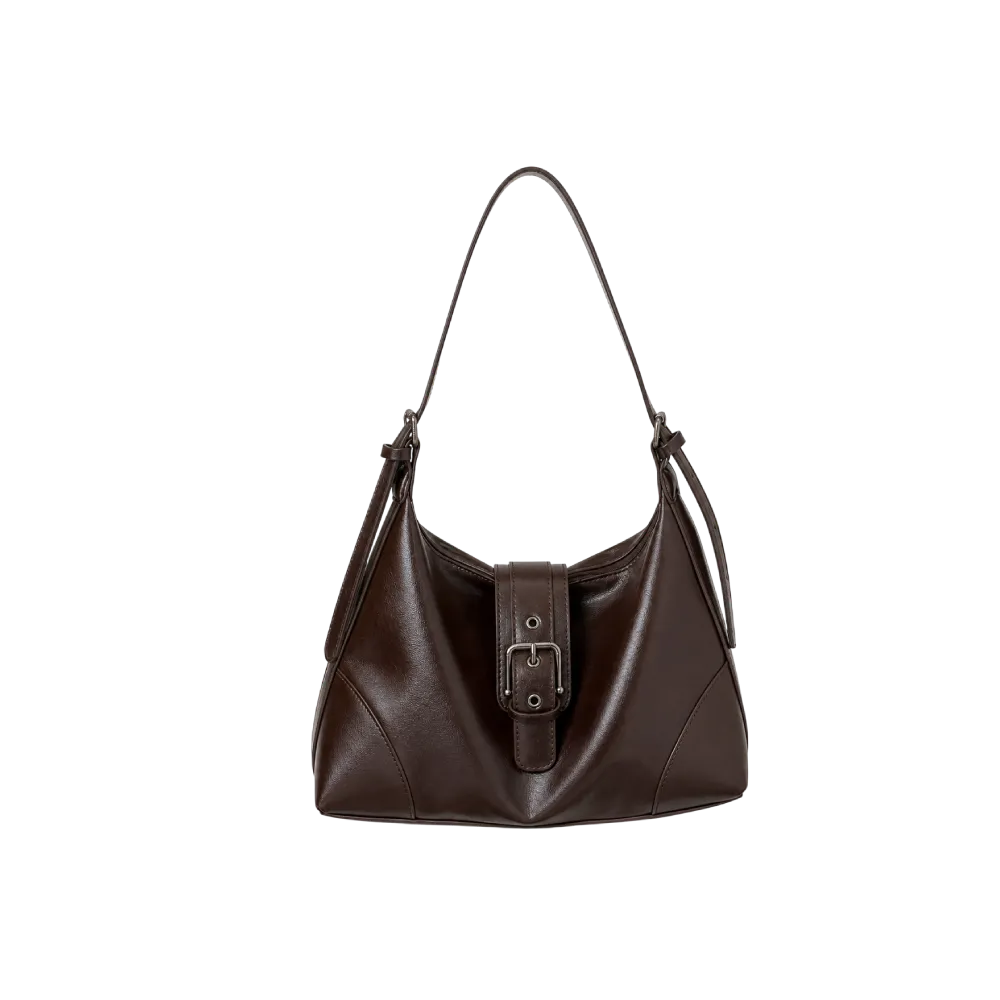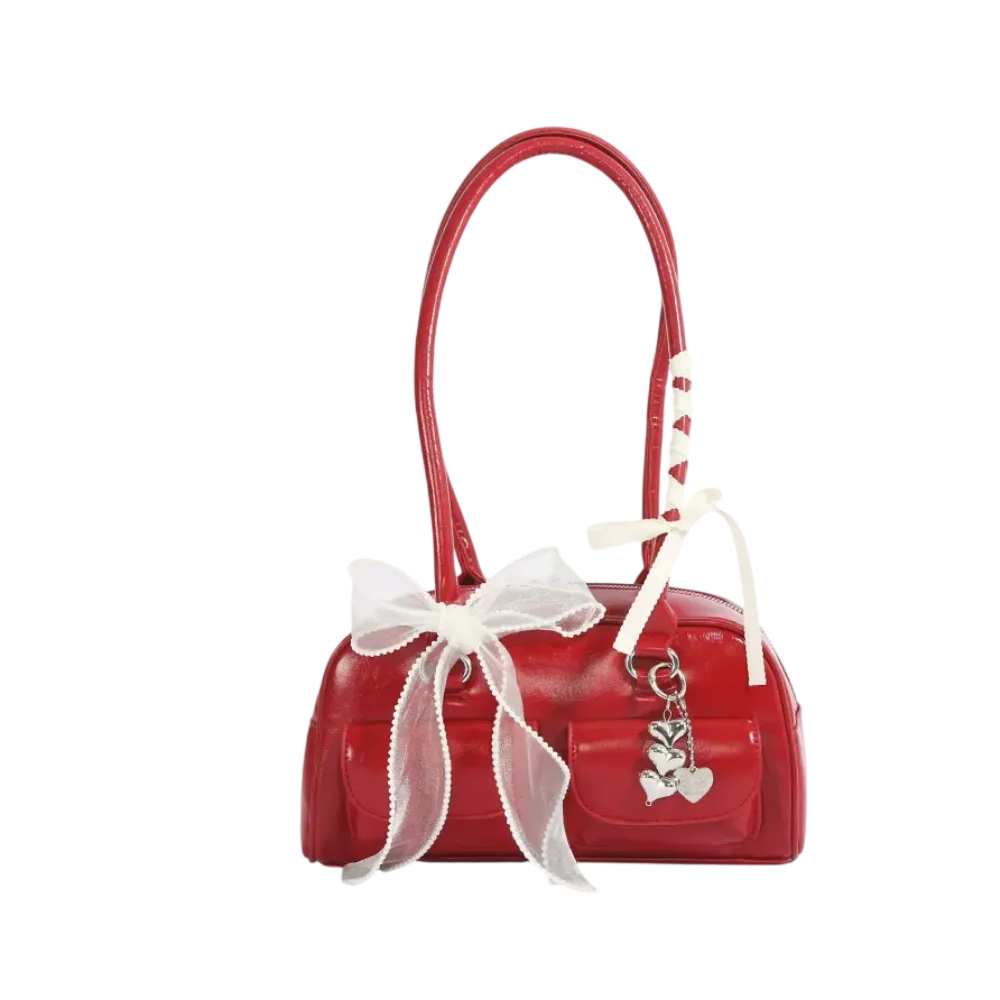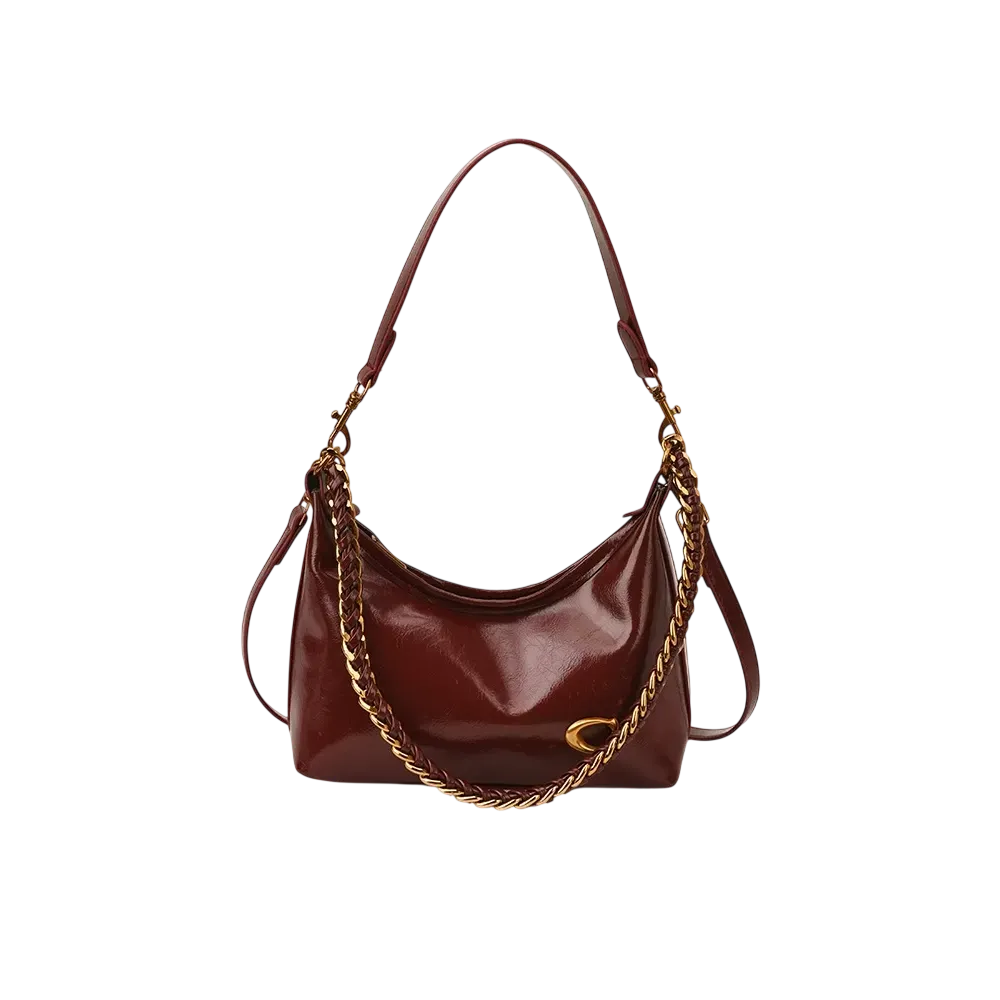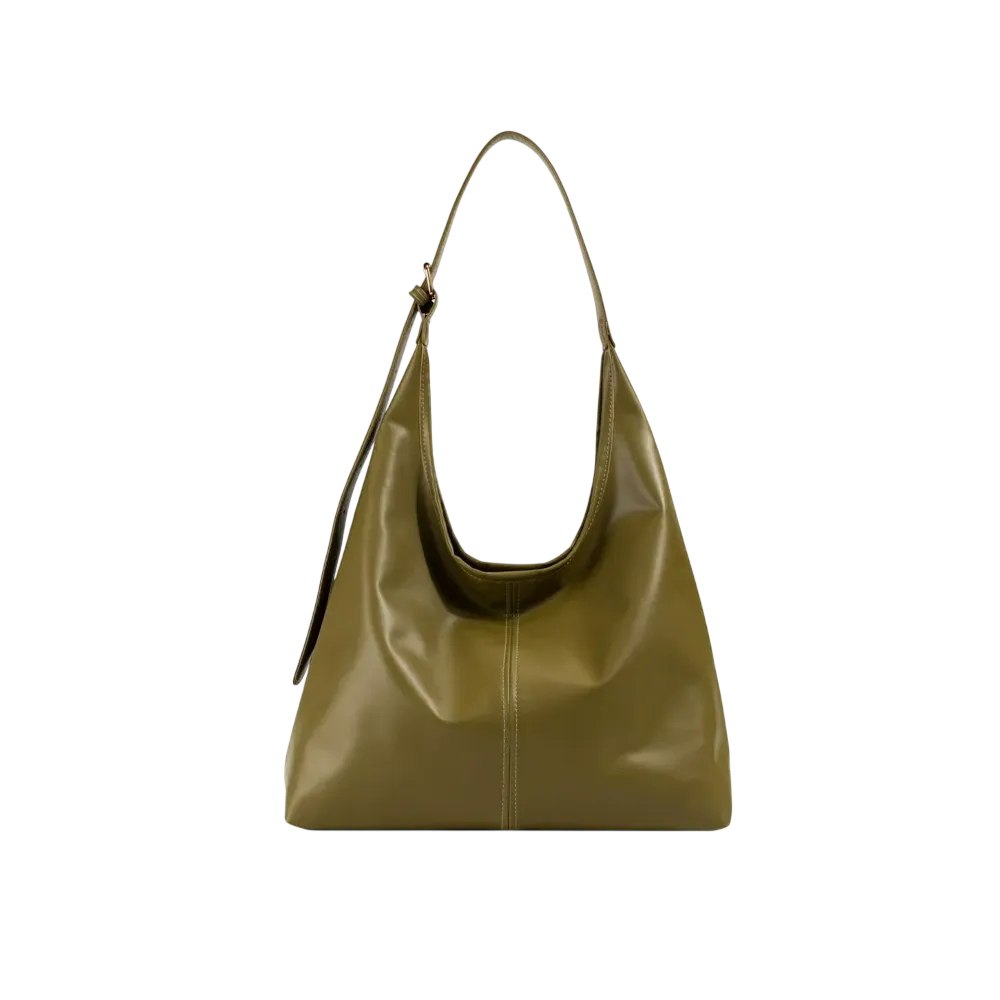

Why You Need a Handbag Size Guide
A bag can have the right color, the right material and the right price and still be wrong for you if the size is off. Too small and you cram your essentials, stress the seams and give up on it. Too large and you overpack, strain your shoulder and lose things at the bottom. This handbag size guide explains how to match dimensions to your real life so the bag you buy actually gets used.
Size is also where online shopping goes wrong, because photos make every bag look the same. Learning to read measurements, and to imagine them on your body, is the most useful skill in this handbag size guide. For a deeper breakdown of common shoulder bag categories, see our companion article on shoulder bag sizes explained.
Understanding Handbag Dimensions
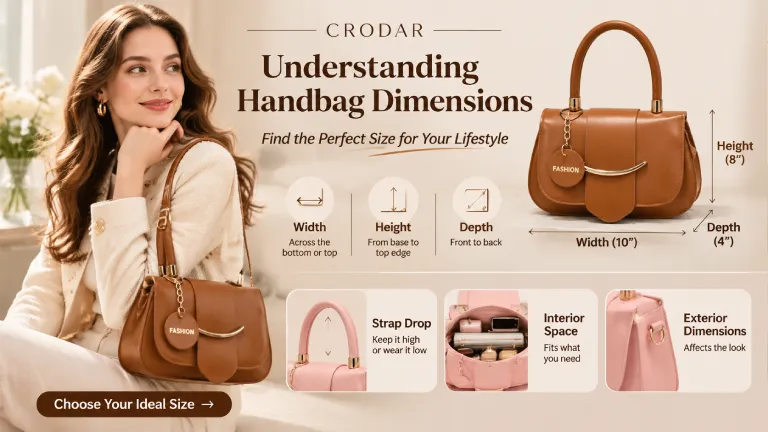
Handbag listings usually give width, height and depth. Width is the measurement across the bottom or top, height is the distance from the base to the top edge, and depth is how far the bag extends front to back. A bag that is 10 by 8 by 4 inches, for example, feels very different from one that is 10 by 6 by 2 inches, even though both are the same width.
Also check the strap drop, which is the distance from the top of the strap to the top of the bag. A short drop keeps the bag high under the arm, while a long drop lets it hang lower. Finally, check whether measurements are internal or external. Interior space matters more for fit, while exterior dimensions affect how the bag looks on you.
Match the Bag Size to What You Actually Carry
Start with a lay-out test. Put everything you carry on a flat surface, then arrange it as if packing the bag. A phone, wallet, keys, a small pouch and earbuds fit comfortably in a small bag. Add a planner, a water bottle, a cardigan or a tablet, and you will need a medium or large bag.
Be honest about frequency. If you only carry a tablet twice a month, do not buy a bag for it. Instead choose a size that suits ninety percent of your days. Our guide to everyday work bag essentials lists what most commuters really need, which helps you avoid buying a bag for items you rarely carry.
Small, Medium and Large: What Each Size Does Well
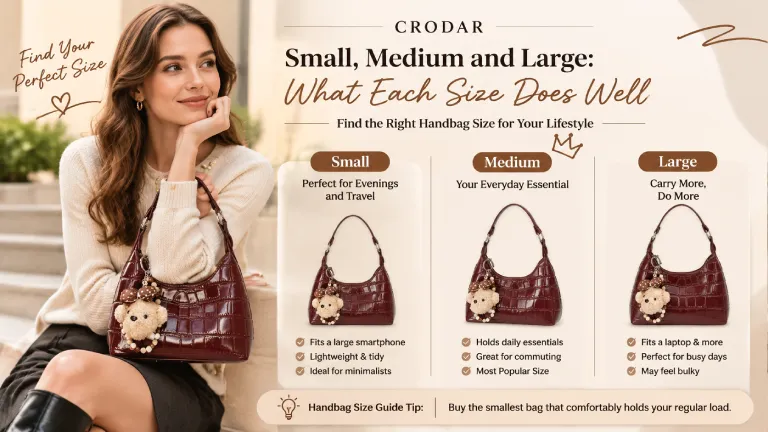
Small bags, roughly the size of a large smartphone with a little depth, are best for evenings, travel days and minimalists. They feel light and tidy but leave no room for extras. Medium bags, about the size of a large paperback with depth, suit most daily routines and are the most popular size for commuting.
Large bags hold a laptop, lunch, documents and extras, but they are easy to overfill and can look overwhelming on a petite frame. If you often wonder whether you need larger, try the medium first and add a pouch. The handbag size guide rule is simple: buy the smallest bag that comfortably holds your regular load.
Body Proportions and Visual Balance
Bag size also interacts with your height and frame. A very large bag can overwhelm a petite person, while a tiny bag can look out of proportion on a taller frame. A useful visual guide is that the bag should not extend far beyond your torso width, and its bottom should ideally land between the waist and hip.
Strap length changes proportion too. A crossbody that sits at the hip looks balanced on many body types, while one that hangs too low looks sloppy. See our guide on crossbody vs shoulder bag vs tote for how different styles sit on the body, and use that as part of your handbag size guide checklist before purchase.
Weight, Comfort and Shoulder Health
Size and weight go hand in hand. The bigger the bag, the more tempting it is to fill. Heavy loads can strain the neck and shoulders, and the CDC’s NIOSH ergonomics guidance explains why repeated uneven loading can contribute to discomfort over time.
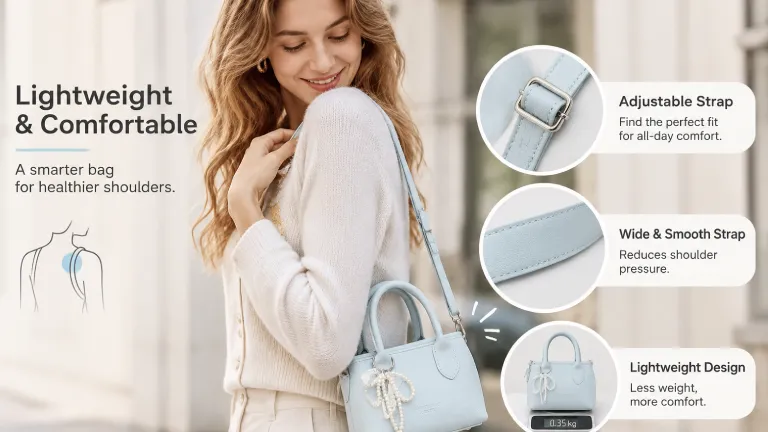
Choose a bag with a wide, smooth strap and, if possible, an adjustable length. Keep the empty weight low, because a heavy bag adds pounds before you place anything inside. A good test is to load the bag with your normal items and walk for ten minutes. If you feel the strap digging in, either lighten the load or move to a different size.
How to Test Size in a Store or Online
In a store, bring your real items and put them in the bag. Check that the zipper closes without strain, that you can reach your phone quickly and that the bag keeps its shape. Walk, sit and bend with it to see how it behaves.
Online, use household items as a measuring guide. Mark the listed width and height on a piece of cardboard and hold it against your body. Read reviews for comments about whether the bag runs small, and check product photos that show items inside. Publications like Consumer Reports emphasize reading detailed reviews and construction details before buying, which applies directly to sizing decisions.
Common Sizing Mistakes to Avoid
The most common mistake is buying for an imaginary life rather than a real one. Another is trusting the product name, since “mini,” “medium” and “large” vary between brands. A third mistake is ignoring depth, which determines whether a bag holds a wallet and cosmetic pouch comfortably.
Finally, many shoppers forget to account for change. If your work, commute or family situation is about to shift, give yourself a little extra room. When your needs change substantially, our guide on when to replace your handbag can help you recognize the right moment to size up or down. Use this handbag size guide each time you shop, and you will make fewer expensive mistakes.
Sizing for Different Occasions
Your handbag size guide should account for more than the workday. For evenings, a small crossbody or clutch keeps your hands free and your outfit streamlined. For weekend errands, a medium bag with a zip top handles shopping, a water bottle and a light jacket. For travel days, a slim crossbody that fits a passport, phone and cards is easier to keep secure than a large tote.
Many women solve this by owning two sizes: a medium bag for most days and a small one for special occasions. That setup costs less than buying many bags, and it avoids the temptation to overfill. If you want ideas for building a small collection around different needs, Real Simple publishes practical advice on organizing and editing the things you carry.
Before you buy, write your answers to three questions: what you carry on a normal day, how far you walk with the bag, and how often you need to open it quickly. Those answers narrow the choice faster than any chart, and they keep this handbag size guide practical rather than theoretical.
FAQ
Q: What size handbag is best for everyday use? A: A medium bag holds a phone, wallet, keys, pouch and a small extra such as a notebook, which suits most daily routines.
Q: How big should a work handbag be? A: Large enough for your laptop or documents if you carry them, but no larger than necessary. Measure your items first.
Q: Is a small handbag practical? A: Yes, for minimalists, evenings and travel days. Choose small only if you reliably carry few items.
Q: How do I know if a bag will fit my phone and wallet? A: Check interior width and depth, not only the exterior. Compare them with your items laid out flat.
Q: What does strap drop mean? A: It is the distance from the top of the strap to the top of the bag. A longer drop lets the bag hang lower.
Q: Does bag size affect posture? A: Heavy or oversized bags can cause uneven loading. Keep the load light and switch shoulders regularly.
Q: Should petite women avoid large bags? A: Not necessarily, but large bags can overwhelm a small frame visually. Try medium sizes with a shorter drop first.
Q: Can I use the same size for work and weekends? A: Often yes, if the bag is medium and neutral. Use pouches to move items between bags quickly.